Did you know that pairing cheese with wine incorrectly can actually diminish the flavors of both? It’s true – the wrong combination can make an exquisite wine taste flat or turn a delicate cheese bitter.
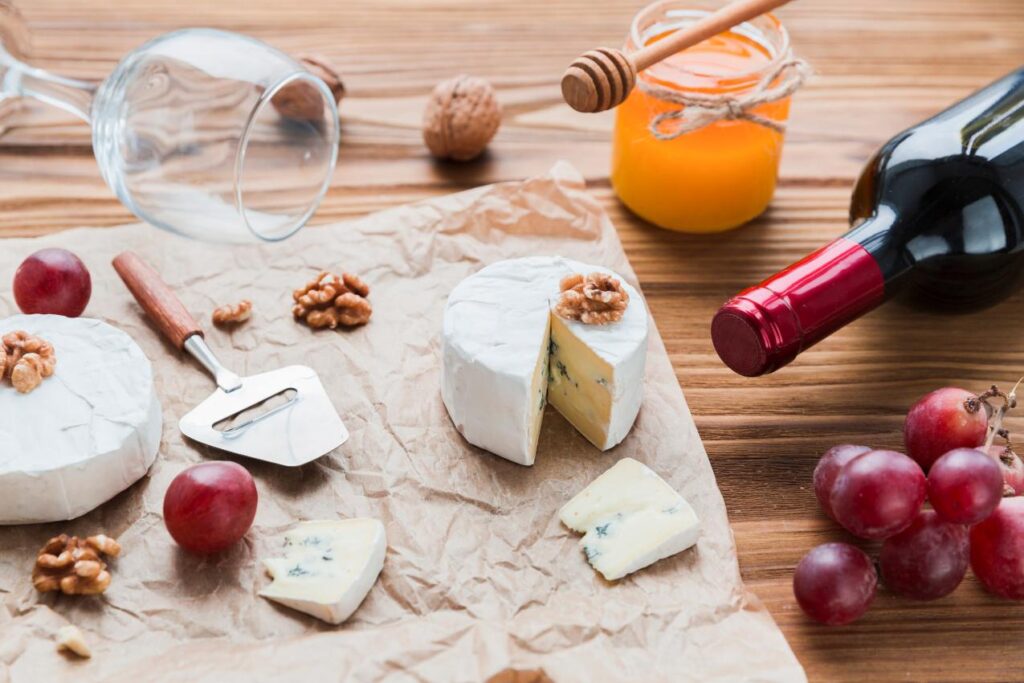
However, mastering cheese pairing doesn’t require a sommelier certificate. Understanding a few fundamental principles about how to match cheese and wine can transform your tasting experience. For instance, a crisp Sauvignon Blanc brings out the tangy notes in goat cheese, while a robust Cabernet Sauvignon stands up beautifully to aged cheddar.
Fortunately, there’s a systematic approach to creating harmonious combinations that enhance both elements. Whether you’re hosting a dinner party or simply enjoying a quiet evening at home, knowing these pairing fundamentals will elevate your experience from ordinary to extraordinary.
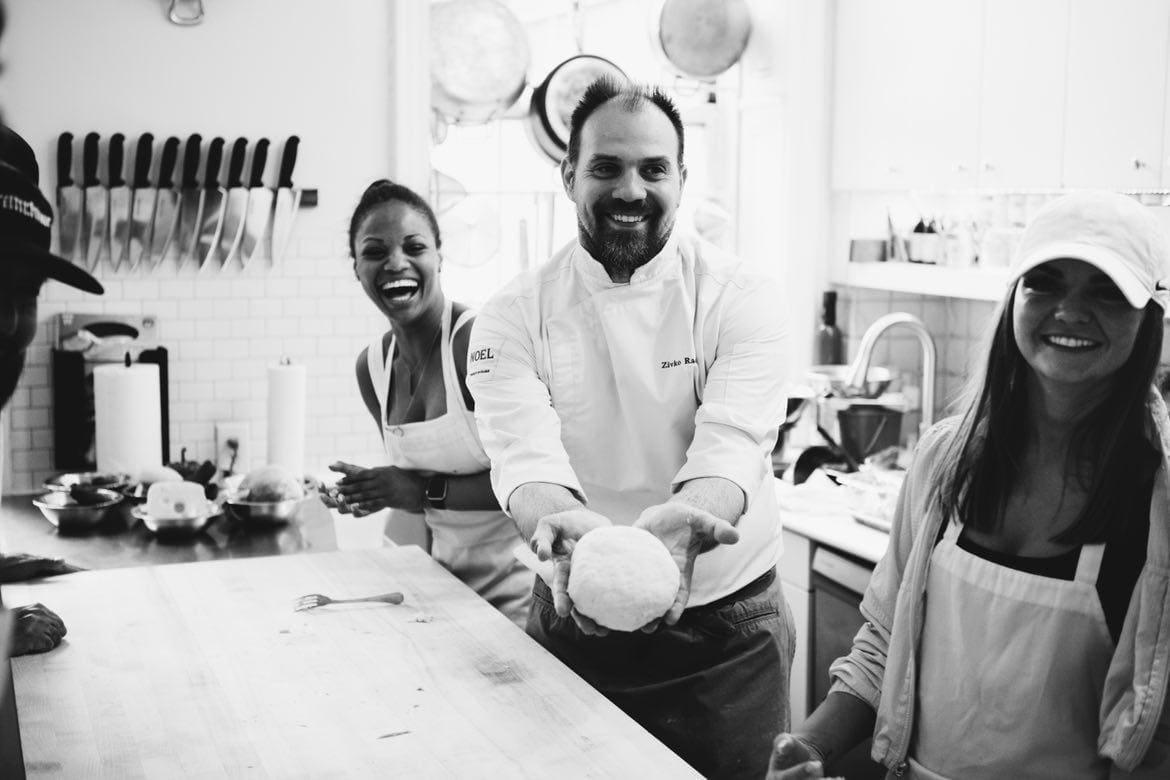
That’s why we are here, call and book your own dinner with Zivko.
In this guide, we’ll break down the essentials of wine and cheese matching by type, explore sommelier-approved pairing principles, and share foolproof combinations that will impress your guests. Additionally, we’ll reveal regional pairings that have stood the test of time and provide practical serving tips to showcase your selections perfectly.
Understanding Cheese Types
Recognizing distinct cheese categories forms the foundation of successful wine pairing. Each cheese type offers unique flavor profiles, textures, and aromas that match harmoniously with specific wine varieties. Understanding these fundamental characteristics will help you create more intuitive and satisfying cheese with wine experiences.
Soft and bloomy cheeses
Soft-ripened cheeses feature distinctive white, sometimes fuzzy rinds that develop from molds like Penicillium candidum or camemberti. These cheeses ripen from the outside in, creating a creamy texture that becomes progressively softer with age. Notable examples include Brie, Camembert, and Fromager d’Affinois, which offer buttery, mushroomy flavors sometimes accompanied by hints of grass or garlic. The ripeness level dramatically affects pairing options—younger, firmer cheeses work well with crisp whites, while perfectly ripe specimens shine alongside Pinot Noir or Chardonnay. When serving, allow these cheeses 30-60 minutes at room temperature for optimal flavor development.
Hard and aged cheeses
During aging, hard cheeses undergo proteolysis (protein breakdown) and lipolysis (fat breakdown), developing enhanced complexity and concentrated flavors. Unlike their softer counterparts, hard cheeses like aged Cheddar, Comté, and Manchego feature nutty, sometimes crystalline textures and robust flavors. Their structural integrity and depth make them versatile companions for bold red wines including Cabernet Sauvignon, Chianti, and Rioja. Furthermore, the concentrated flavor compounds in aged cheeses stand up admirably to tannic wines that might overwhelm softer varieties.

Blue cheeses
Blue cheeses obtain their distinctive veining through the introduction of Penicillium cultures—primarily Penicillium roqueforti or glaucum—into the milk or cheese curds. Cheesemakers create channels for oxygen flow by spiking the formed wheels with needles, allowing the characteristic blue-green veins to develop. The intensity varies dramatically between varieties, from the relatively mild Danish Danablu to powerfully pungent Roquefort. Despite their often intimidating appearance, many blue cheeses offer approachable flavors beneath their bold aromas. These salty, tangy specimens create classical pairings with sweet dessert wines like Port or Sauternes, which balance their assertive profiles.

Goat and sheep cheeses
Goat milk cheeses typically exhibit bright, tangy characteristics that pair exceptionally well with high-acid white wines like Sauvignon Blanc or Sancerre. Fresh goat cheeses generally fall into two flavor profiles: limestone-y and citrusy or musky and barnyardy, with younger varieties leaning toward the former. Sheep milk cheeses, conversely, contain higher fat content than both goat and cow varieties, resulting in creamier textures and sweet, lanolin-like flavors reminiscent of candy corn or sweet cream. Notably, both goat and sheep milk contain less lactose than cow’s milk, making them potentially easier to digest for some individuals.
Washed rind cheeses
Perhaps the most distinctive cheese category, washed rind varieties develop their characteristic orange-red rinds from regular brine or alcohol washing during aging. This process creates favorable conditions for Brevibacterium linens bacteria, which impart their distinctive pungent aromas and meaty, savory flavors. Despite their often intimidating smell (sometimes described as “barnyard” or “sweaty feet”), the interior paste typically offers more approachable flavors. Washed rind cheeses span textures from soft and oozy (Epoisses, Taleggio) to firm and grate-able (Gruyère, Appenzeller). These complex cheeses pair beautifully with aromatic white wines like Gewürztraminer or medium-bodied reds such as Pinot Noir.
Pairing Principles Every Sommelier Follows
Behind every perfect cheese and wine pairing lies a set of principles that sommeliers have refined over centuries. These guidelines provide the foundation for creating harmonious combinations that enhance both elements rather than diminishing either one.
Zivko makes a great trip to enjoy as a private chef just for you. They will make sure that everything from the food to the decoration and the atmosphere looks flawless and perfect.

Complement vs contrast
Sommeliers approach cheese with wine pairings through two primary methods: complementing and contrasting. Complementing involves matching similar characteristics—pairing like with like in intensity, structure, and flavor profiles. For example, nutty Comté pairs excellently with walnut-noted Vin Jaune because they share similar flavor compounds. Contrasting, on the other hand, creates balance through opposing characteristics.
Some of the most iconic pairings in culinary history use the contrasting method:
- The sweetness of Port balances the salty, savory notes of Stilton
- Sauternes’ honeyed sweetness contrasts with Roquefort’s intense saltiness
- Champagne’s effervescence cuts through Brillat Savarin’s rich, fatty paste
Both approaches can yield magnificent results. Nevertheless, the principal aim remains finding enjoyable matches while avoiding clashes between the elements involved.
Matching intensity and texture
Matching intensity stands as perhaps the most fundamental principle in cheese pairing. Light, delicate cheeses require lighter-bodied wines, otherwise, the stronger element overwhelms the subtler one. Consider how a fresh goat’s curd with simple dairy flavors would be completely overshadowed by a full-bodied Châteauneuf-du-Pape.
Texture creates another dimension of harmony. Creamy cheeses often blend seamlessly with buttery, oaked white wines, creating a consistent mouthfeel. Correspondingly, the bubbles in sparkling wines provide a refreshing counterpoint to rich cheeses, scrubbing your palate clean between bites—exactly why Camembert and Champagne form such a classic combination.
As cheeses age and mature, they undergo proteolysis (protein breakdown) and lipolysis (fat breakdown), developing enhanced complexity and concentrated flavors. These aged specimens typically require wines with enough structure and depth to match their intensity.
The role of acidity and fat
The interplay between acidity and fat creates much of the magic in successful pairings. Cheese contains fat that effectively coats your palate, while wine’s acidity acts as a cleansing agent, cutting through this richness and refreshing your taste buds.
This dynamic relationship explains why high-acid white wines like Sauvignon Blanc pair so brilliantly with tangy goat cheese. The acidity in both elements amplifies each other, creating a vibrant, balanced experience.
Fat in cheese also plays another crucial role—it helps soften harsh tannins in wine, especially reds. This interaction creates a smoother, more pleasant tasting experience as the fat essentially “wraps around” the tannin molecules, reducing their astringency.
Tannins and salt balance
Tannins—those compounds that create the dry, mouth-puckering sensation in red wines—interact with cheese in fascinating ways. They literally bind to protein and fat, cleaning your palate after each bite. This makes tannic red wines excellent partners for rich, aged cheeses.
Initially, the same process can make tannic wines feel excessively astringent with young, fresh cheeses. Since younger cheeses have less fat available to soften the tannins, the combination often creates a chalky sensation and metallic aftertaste. When serving red wine with young cheeses, opt for varieties lower in tannin, such as Beaujolais or sparkling Lambrusco.
Salt in cheese heightens the perception of sweetness in wine, which is why sweet wines beautifully balance salty specimens like hard Grana, blue cheese, or aged Gouda. This fundamental principle explains the enduring popularity of sweet wine and blue cheese pairings, where each element enhances the other’s best qualities.
Perfect Pairings by Cheese Style
Moving from principles to practice, these five classic combinations showcase the magic that happens when the right cheese meets its perfect wine match.
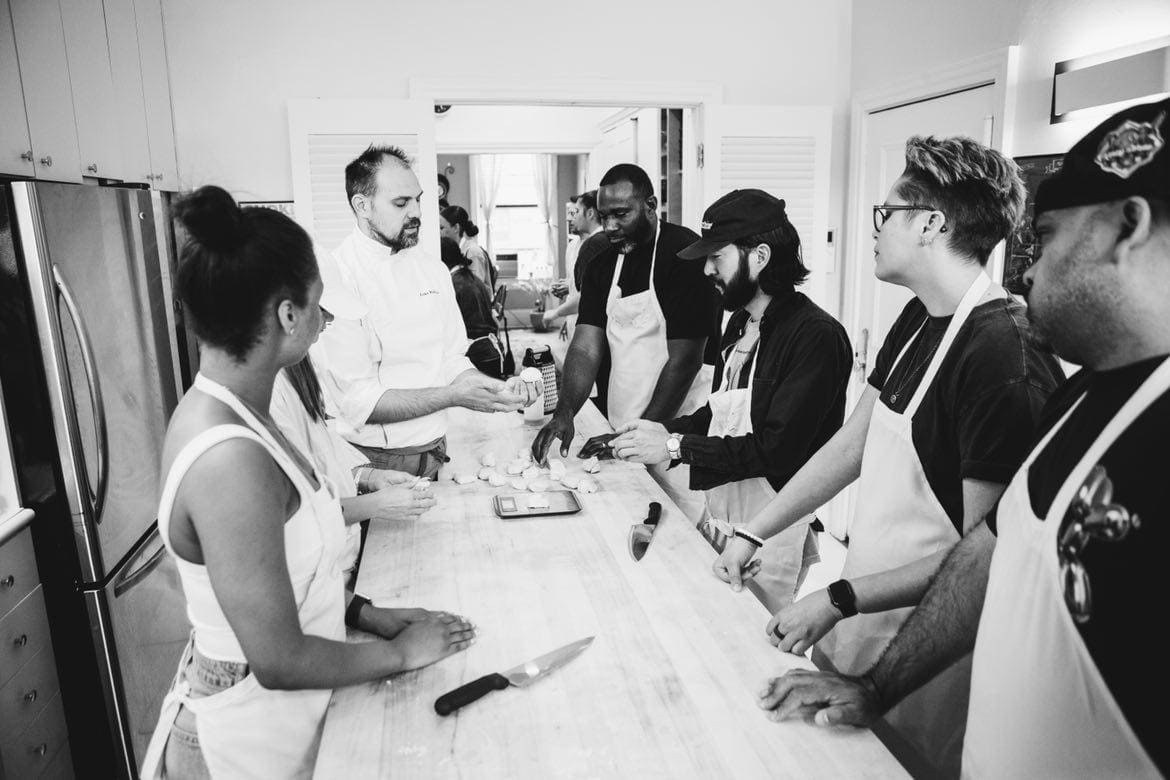
All this makes one art, which you can experience both through private events and through cooking classes for your ideal team building.
Brie with Champagne or Pinot Noir
The buttery softness of Brie creates a luxurious partnership with Champagne’s effervescence. The wine’s crisp acidity cuts through the cheese’s richness while the bubbles refresh your palate between bites. Brie’s mild, mushroomy notes complement Champagne’s toasty, bready flavors to form a sophisticated pairing. Alternatively, light-bodied Pinot Noir works beautifully with riper Brie, its soft tannins and berry notes enhancing the cheese’s creamy texture. For optimal results, serve Brie at room temperature, allowing its subtle flavors to fully develop.
Cheddar with Cabernet Sauvignon
Sharp, aged Cheddar’s high fat content makes it the perfect partner for Cabernet Sauvignon. The cheese’s richness effectively softens the wine’s robust tannins, while the wine’s acidity cuts through the fat. This dynamic creates a balanced mouthfeel where neither element overwhelms the other. As Cheddar ages and develops more complex flavors, it stands up admirably to the concentrated fruit and structure of full-bodied Cabernet. Primarily, you’ll want to avoid young, creamy cheeses with Cabernet, as they can make the wine taste metallic or bitter.

Goat cheese with Sauvignon Blanc
The crisp acidity and herbaceous character of Sauvignon Blanc create a harmonious balance with goat cheese’s tangy profile. Both share similar grassy, herbaceous notes that enhance each other when paired together. In fact, this combination is so natural that the same herbs growing in Loire Valley vineyards often feed the goats producing the region’s famous chèvre. The wine’s citrusy brightness cuts through the creamy richness of the cheese, creating a refreshingly balanced experience with each bite and sip.
Blue cheese with Port or Sauternes
Blue cheese’s bold, salty intensity demands a sweet counterpoint, making fortified wines like Port or dessert wines like Sauternes ideal partners. The honeyed sweetness of these wines balances the cheese’s saltiness while their richness stands up to blue cheese’s powerful flavors. Particularly, a classic pairing of Stilton with Vintage Port creates one of the most magnificent food and wine experiences. The cheese’s buttery texture and piquancy perfectly match the majestic flavors of the Port, creating a timeless combination that has endured for centuries.
Gruyère with Pinot Noir or Chardonnay
Gruyère’s nutty complexity and semi-firm texture make it remarkably versatile with wines. Its earthy notes find a natural companion in Pinot Noir’s forest-floor aromas, while the wine’s silky tannins complement the cheese’s smooth texture. Equally impressive, a well-made Chardonnay pairs beautifully with Gruyère, as the wine’s buttery notes echo the cheese’s rich, nutty character. Additionally, regional wines from Gruyère’s Alpine homeland, such as Jura reds or Savoie whites, create authentically harmonious pairings based on shared terroir.

Regional Pairings That Always Work
Regional traditions offer some of the most reliable pathways to perfect cheese and wine harmony. Throughout Europe’s wine-producing regions, centuries of gastronomic evolution have created pairings that remain classics today.
Such events are wonderful, but in addition to all that, you can also book a unique cooking classes, where there is also the magic of preparing top dishes together with the team and Zivka.
If it grows together, it goes together
One of the oldest and most reliable pairing principles stems from geographic proximity. Foods and wines from the same region naturally complement each other because they evolved together, influenced by the same soil, climate, and cultural practices. As one expert notes, “What grows together goes together” creates fantastic starting points for discovering exceptional pairings. This philosophy explains why Loire Valley goat cheese sings with Sancerre, and why Manchego finds its perfect match in Spanish Tempranillo.
Spanish wines with Manchego and Idiazabal
Spain’s cheese-wine traditions showcase perfect regional harmony. Manchego, the firm sheep’s milk cheese from La Mancha, pairs beautifully with Spanish Tempranillo, primarily from nearby Rioja. The wine’s bright acidity and subtle oak notes enhance the cheese’s nutty, slightly tangy profile. For younger Manchego with milder flavors, try Verdejo or Cava; more pronounced Manchego matches wonderfully with Albariño or Spanish Rosado; while sharp, aged Manchego demands Tempranillo or rich Sherry.

From the Basque region, smoky Idiazabal cheese (made from Latxa sheep milk) creates a magnificent pairing with Tempranillo from La Rioja. The wine’s subtle oak, bright red fruit, and touch of spice perfectly complement both the richness of the sheep’s milk and the cheese’s distinctive smoky notes.
French wines with Comté and Camembert
French regional pairings demonstrate exceptional terroir connections. Comté cheese from the Jura mountains pairs beautifully with local Jura yellow wines and well-rounded whites like Côtes de Jura, Arbois Pupillin, and L’Etoile. The cheese’s nutty complexity—often reminiscent of roasted hazelnuts and caramelized butter—harmonizes perfectly with these wines’ mineral characteristics.
Camembert from Normandy finds its ideal partner in light-bodied red Gamay from Beaujolais or Pinot Noir from Burgundy or Alsace. These wines feature profound aromas of ripe black fruits with hints of cherry that balance Camembert’s creamy richness and mushroomy notes.
Italian wines with Pecorino and Parmigiano
Italy’s regional combinations follow similar geographic logic. Pecorino, the family of sheep’s milk cheeses, pairs wonderfully with its namesake white wine Pecorino, as well as medium-bodied whites like Chardonnay from northern mountain regions. As the cheese ages and gains intensity, it matches beautifully with Brunello di Montalcino from Tuscany or the tannic Sagrantino from Umbria.
Parmigiano Reggiano creates a stellar pairing with chilled, dry Lambrusco from the same Emilia-Romagna region. This combination perfectly demonstrates the “grows together, goes together” principle, as the wine’s subtle fruitiness and dry structure complement the cheese’s nutty, savory profile. The bubbles in Lambrusco effectively cut through the cheese’s richness, creating a refreshing contrast.
Serving and Presentation Tips
The proper presentation of cheese with wine transforms ordinary pairings into memorable experiences. Even the finest combinations falter without attention to serving details.
Let cheese come to room temperature
Cold cheese lacks flavor depth and nuance. Taking cheese out of the refrigerator 30-45 minutes before serving allows its fat molecules to relax, releasing full flavor profiles and improving texture. This simple step makes even mild cheeses more expressive. Afterward, cover cheese while warming to prevent drying out. For food safety, remember soft cheeses should only remain at room temperature 2-4 hours, though hard varieties can safely stay out up to 8 hours.
Serve wine at the right temperature
Temperature profoundly affects wine’s flavor expression. Serve reds between 56-65°F (13-20°C) to highlight complexity without emphasizing alcohol. White and rosé wines require chilling to 44-55°F (7-12°C), enhancing their crispness. Sparkling wines shine at 40-46°F (5-8°C), preserving effervescence. Consider decanting tannic reds to showcase their color and enhance flavor.
Arrange cheese from mild to strong
Position cheeses sequentially by intensity. On rectangular boards, arrange left-to-right; on round platters, start at 12 o’clock and proceed clockwise 4. This progression prevents stronger cheeses from overwhelming milder varieties. Label each cheese to help guests identify what they’re tasting 5.
Use accompaniments to bridge flavors
Strategic accompaniments create bridges between cheese and wine. Fresh fruits (apples, pears, grapes), dried fruits, nuts, and honey cleanse the palate between tastings 1. Additionally, quince paste pairs magnificently with Spanish cheeses, certainly balsamic vinegar complements Parmigiano Reggiano, moreover olives introduce pleasing contrast
Mastering the art of wine and cheese pairing ultimately transforms ordinary gatherings into sophisticated experiences. Throughout this guide, you’ve discovered how different cheese categories demand specific wine partners based on their texture, intensity, and flavor profiles.
The fundamental principles shared by sommeliers—whether complementing similar characteristics or creating balanced contrasts—provide a reliable framework for your pairing adventures. Additionally, understanding the crucial interplay between acidity, fat, tannins, and salt helps explain why certain combinations work so magnificently.
Classic pairings like Brie with Champagne or blue cheese with Port demonstrate these principles perfectly. Furthermore, regional combinations that have stood the test of time offer foolproof starting points for exploration. After all, cheeses and wines that evolved in the same terroir naturally complement each other’s best qualities.
Proper serving techniques significantly enhance your tasting experience. Remember to allow cheese to reach room temperature, serve wine at the appropriate temperature, and arrange selections thoughtfully from mild to strong. Strategic accompaniments like fresh fruits, nuts, and honey create delightful bridges between flavors.
Call us and reserve your event.
Armed with this knowledge, you can now approach cheese and wine pairing with confidence. The next time you prepare a cheese board, think beyond random combinations and instead create intentional pairings that highlight the best qualities of both elements. Your guests will certainly appreciate your newfound expertise, while you’ll enjoy the remarkable harmony that happens when the perfect cheese meets its ideal wine partner.