Ever wondered about the trattoria meaning and how it differs from a regular Italian restaurant? You’re not alone. Many diners struggle to tell the difference when faced with choosing between a trattoria, ristorante, or osteria on their Italian adventures.
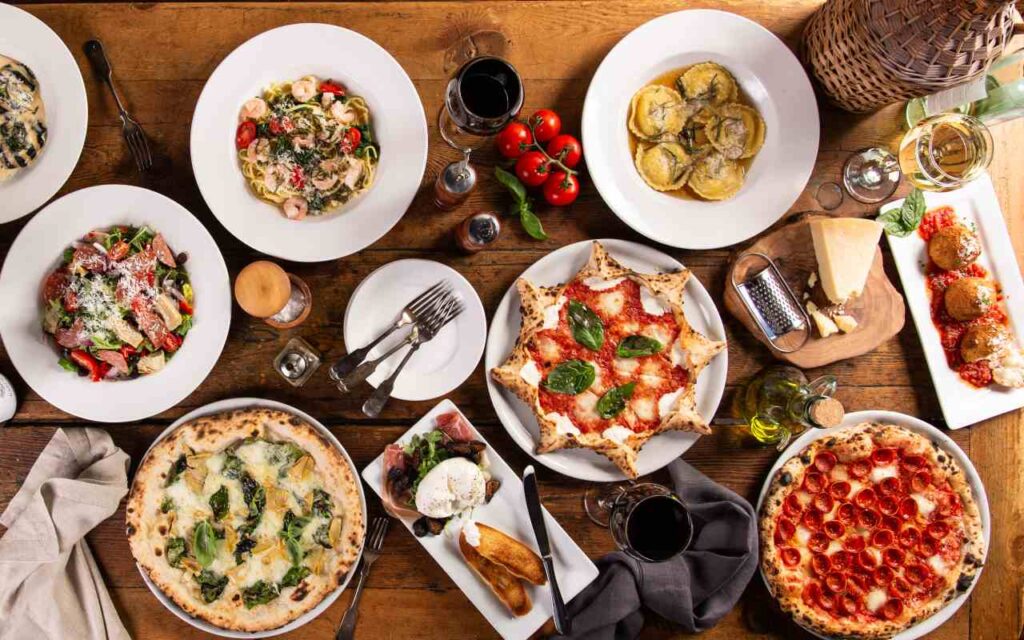
While most people recognize pizza and pasta as Italian staples, the diverse types of Italian restaurants actually tell a deeper story about the country’s rich culinary traditions. Each establishment offers a unique dining experience beyond just the menu. From the elegant, upscale atmosphere of a ristorante to the casual, family-style setting of a trattoria, these distinctions reveal authentic Italian dining culture that many travelers miss.
If you want to enjoy authentic Italian flavors at home, you can book a private chef experience in NYC.
Ready to sound like a local on your next Italian vacation? This guide breaks down 11 distinct Italian restaurant types, specifically highlighting what makes each special, when to visit them, and who would enjoy them most. Whether you’re planning a trip to Italy or simply want to understand the menu at your local Italian spot, you’ll finally know exactly what to expect when you see these terms.
Ristorante
The ristorante sits at the top of the Italian dining hierarchy, representing the most formal dining experience you’ll encounter in Italy. Unlike other establishments, a ristorante offers complete table service with professionally trained staff who guide guests through an elegant culinary journey.
A ristorante is the Italian equivalent of a full-service, formal restaurant where sophisticated dining takes center stage. Here, you’ll be seated by a hostess and waited on by professional staff. The ristorante represents the most elevated tier in Italian dining classifications, offering refined cuisine and an upscale atmosphere.
Ristorante Atmosphere and Ambiance
Stepping into a ristorante, you’ll immediately notice white tablecloths, elegant table settings, and an overall sophisticated atmosphere. The ambiance tends to be warm yet refined, creating a perfect backdrop for special occasions. Many ristoranti feature theatrical elements—from white-jacketed waiters serving dishes tableside to creative plating presentations.

Ristorante Menu and Food
The menu structure follows traditional Italian multi-course dining: antipasto (appetizer), primo (pasta or risotto), secondo (meat or fish), contorno (side dish), dolce (dessert), and caffè with digestivo. A distinguishing feature includes the presence of a sommelier who helps guests select appropriate wine pairings 1. Many ristoranti offer seasonal tasting menus highlighting the chef’s creativity.
Ristorante Pricing and Service
Ristoranti generally command higher prices due to their elevated service standards and ingredient quality. Consequently, this pricing reflects the complete dining experience rather than just the food itself. Service is attentive yet unobtrusive, with staff trained to anticipate guests’ needs and enhance their overall experience.
Best Time to Visit a Ristorante
For the best experience, consider booking a table between 7:30-8:30 pm, aligning with traditional Italian dinner hours. Moreover, arriving at 5:30 pm offers advantages—staff are fresh, kitchens aren’t backed up, and you’ll enjoy better natural light for appreciating food presentation.
Who Should Dine at a Ristorante
Ristoranti particularly appeal to those celebrating special occasions or seeking a refined dining experience. Furthermore, food enthusiasts wanting to experience authentic, elevated Italian cuisine will appreciate the artistry and attention to detail. The ristorante setting is ideal for romantic evenings, business dinners, and memorable celebrations.
Trattoria
In the world of Italian dining, a trattoria holds a special place as a less formal restaurant that combines the warmth of a tavern with the soul of a family kitchen. Its name derives from the French word “traiteur,” meaning “host or caterer”.
A trattoria is an informal, family-run Italian eatery that serves traditional, home-style cooking rooted in regional cuisine. Indeed, these establishments often feature recipes passed down through generations, creating an authentic culinary experience. Historically, trattorias provided employment opportunities for Italian women when working outside the home was rare.

Trattoria Atmosphere and Ambiance
The ambiance of a trattoria is distinctly casual and inviting. You’ll typically find rustic décor with wooden tables, simple linens, and walls adorned with vintage Italian art. Many feature red-checked tablecloths and photos of Italy on the walls. This cozy setting creates a relaxed environment where guests feel like part of the family rather than mere customers.
Trattoria Menu and Food
Trattorias specialize in simple, seasonal dishes that showcase regional specialties. The menu is usually compact and changes with the seasons. Typical offerings include:
- Traditional pasta dishes like tagliatelle with ragù
- Hearty meat dishes such as beef with peppers
- Regional specialties prepared according to family recipes
These establishments embrace “la cucina povera”—simple cooking with local, nutrient-rich ingredients that form the backbone of Italian regional cuisine.
If you love traditional Italian dishes and want to learn how to prepare them yourself, explore Loza’s hands-on cooking classes.
Trattoria Pricing and Service
Compared to ristoranti, trattorias offer affordable dining with generous portions. The service is friendly and casual, often provided by family members who treat guests with genuine hospitality. Instead of offering wine by the glass, many traditional trattorias serve local wines by the decanter.
Best Time to Visit a Trattoria
For an authentic experience, visit during typical Italian dining hours—lunch around midday until 2:00-2:30pm and dinner starting at 7:30pm. Calling ahead for reservations is advisable since popular trattorias attract loyal locals who fill tables nightly.
Who Should Dine at a Trattoria
Trattorias are ideal for travelers seeking authentic regional cuisine. They appeal to diners who prefer a casual, unpretentious atmosphere and appreciate traditional family recipes. Additionally, those looking for generous portions at reasonable prices will find trattorias particularly satisfying. Families and groups especially enjoy the welcoming, communal dining experience these establishments offer.
Osteria
Originating from medieval times, the osteria stands as one of Italy’s oldest dining establishments. These humble venues began as simple inns where travelers could rest, socialize, and enjoy wine.
An osteria traditionally served as a gathering place where locals enjoyed simple wines and rustic meals in a communal setting. The word stems from “oste” (innkeeper) and Latin “hospes” (host). Historically, osterias were primarily wine-centric establishments where guests could bring their own food, though most modern osterias now serve both food and drinks.

Osteria Atmosphere and Ambiance
Step into an osteria and you’ll discover a laid-back, welcoming environment. The décor typically features rustic wooden tables and chairs creating a warm, inviting atmosphere. Many traditional osterias maintain communal-style seating, fostering conversation among patrons. The ambiance remains unpretentious—perfect for relaxed socializing.
Osteria Menu and Food
Menus at osterias are often limited and change frequently based on seasonal availability. Expect to find:
- Hearty, home-style dishes using locally-sourced ingredients
- Traditional recipes passed through generations
- Regional wine selections showcasing local vineyards
Many osterias display their offerings on large boards or handwritten menus, highlighting the day’s specialties. You can reserve your dinner, and call us at Loza NYC.
Osteria Pricing and Service
Osterias provide excellent value, offering delicious home-style meals at reasonable prices. The service maintains a casual, friendly approach without the formality found in ristoranti. Although traditional osterias were simple establishments, many contemporary versions have evolved to offer slightly more refined experiences while preserving their core principles of quality and tradition.
Best Time to Visit an Osteria
Evening hours prove ideal for experiencing the authentic social atmosphere that defines these establishments. Nevertheless, lunchtime visits offer a more relaxed setting to enjoy regional specialties.
Who Should Dine at an Osteria
Food enthusiasts seeking authentic, affordable Italian cuisine should head to osterias. Likewise, those wanting to experience local culture through communal dining will appreciate these establishments. Wine lovers will enjoy exploring regional varieties in an unpretentious setting where quality and tradition remain paramount.
Enoteca
The word “enoteca” literally means “wine repository”, revealing the primary focus of these unique Italian establishments that combine retail wine shops with tasting venues.
An enoteca derives from the Greek word Οινοθήκη, functioning as a specialized wine shop where visitors can purchase or sample various wines. Originally created to promote local wine culture, these establishments serve as “wine libraries”, providing knowledge about regional wines and producers. Many operate in collaboration with local growers or tourism organizations.
Enoteca Atmosphere and Ambiance
Walking into an enoteca, you’ll notice a warm, inviting setting often featuring rustic wooden furniture, original barrels, and an elegant ambiance reminiscent of traditional Tuscan wine shops. Some establishments maintain a cozy, comfortable atmosphere where everyone can relax after work, simultaneously creating spaces that feel sophisticated yet welcoming.

Enoteca Menu and Food
Primarily, enotecas offer an extensive wine selection, from locally produced varieties to rare international bottles. Food options typically include small complementary items like cheese plates, home-made jams, chocolate, pasta, and biscotti. Essentially, these establishments focus on enhancing the wine experience, not providing full meals.
Enoteca Pricing and Service
Wine prices vary widely, ranging from affordable local selections to premium bottles costing upwards of $180. Many enotecas employ knowledgeable sommeliers who guide visitors through tastings, explaining production methods and grape varieties. Several establishments offer discounts on bottle purchases.
Best Time to Visit an Enoteca
Evenings prove ideal for experiencing an authentic enoteca atmosphere. Notably, checking operating hours beforehand ensures a smooth experience, as different establishments maintain varying schedules.
Who Should Dine at an Enoteca
Wine enthusiasts seeking education about regional vintages will appreciate enotecas most. Furthermore, those interested in discovering and purchasing unique wines not widely available elsewhere find these establishments valuable. Casual visitors and serious collectors alike benefit from the guided tasting experiences offered by knowledgeable staff.
Pizzeria
The pizzeria stands as perhaps the most recognizable Italian food establishment worldwide, offering everything from quick slices to sit-down dining experiences centered around Italy’s most famous culinary export.
A pizzeria is a restaurant specializing in pizza, frequently offering take-away options where customers can carry their food in pizza boxes or have it delivered directly to their homes. Some modern pizzerias even provide “take-and-bake” options with fresh, unbaked ingredients for customers to finish at home.
Pizzeria Atmosphere and Ambiance
The atmosphere ranges from casual family-friendly spaces to more intimate settings. Many pizzerias feature wooden tables, brick walls, and vintage Italian posters creating a warm, inviting environment. Some establishments offer outdoor seating with string lights for a pleasant, relaxed atmosphere.
Pizzeria Menu and Food
Menus showcase various pizza styles with options like:
- Classic cheese and pepperoni (USD 5.75-27.00)
- Specialty combinations with premium toppings (USD 34.00-45.00)
- Regional variations with artisanal ingredients
Beyond pizza, many establishments offer appetizers, salads, and Italian desserts.
Pizzeria Pricing and Service
Prices vary by location, size, and toppings. A 16″ cheese pizza typically costs around USD 18.00, while specialty options run USD 24.95. Most pizzerias charge for extras and add-ons such as extra cheese, meats, or dipping sauces.
Best Time to Visit a Pizzeria
Halloween ranks as the busiest pizza day of the year, followed by Super Bowl Sunday. Weekends remain consistently busy for pizzerias.
Who Should Dine at a Pizzeria
Pizzerias appeal to nearly everyone—families seeking casual dining, groups celebrating after events, or individuals wanting a convenient meal option. They offer both accessibility and versatility for various dining occasions.
Tavola Calda
Fast food gets an Italian makeover at the tavola calda—translating to “hot table”—where pre-cooked meals await hungry patrons seeking quick, affordable dining.
Tavola calda serves as Italy’s answer to fast food, offering ready-to-eat dishes displayed behind glass counters. Customers simply point to their desired items, which are then heated on-site for immediate consumption. This cafeteria-style establishment sells food by weight, making it perfect for those seeking quick meals without sacrificing quality.
Tavola Calda Atmosphere and Ambiance
The setting remains decidedly casual, often featuring family-friendly décor with comfortable seating. Many tavola calda establishments range from charming hole-in-the-wall spots with straw-bedded chairs to more polished spaces with rustic elements. Their welcoming environment invites diners to relax briefly before continuing their day.
Tavola Calda Menu and Food
Menus showcase authentic Italian homestyle cooking with items like:
- Crispy arancini and warm pizza al taglio (pizza by the slice)
- Lasagna, roast chicken, and eggplant parmigiana
- Fresh vegetable sides and salads
Tavola Calda Pricing and Service
Expect affordable prices relative to quality. The service operates efficiently—customers select items, pay, and either eat at small tables or take food to go.
Best Time to Visit a Tavola Calda
Midday offers the freshest selection as items are typically prepared early morning. Certainly weekday lunches see these spots filled with local workers, providing an authentic glimpse into everyday Italian life.
Who Should Dine at a Tavola Calda
Office workers, students, and travelers seeking budget-friendly authentic Italian meals gravitate here. Surely anyone wanting to sample homemade-style cooking without committing to a lengthy sit-down experience will appreciate these establishments.
Rosticceria
Italy offers a gourmet alternative to conventional fast food through the rosticceria—a quick-service establishment that elevates takeaway dining without compromising quality.
A rosticceria primarily functions as Italy’s answer to fast food, where prepared dishes await hungry customers. These establishments cook various foods on-site and sell them for immediate consumption or takeaway. In essence, rosticcerias are slow-food takeaway services offering restaurant-quality meals at lower prices.

Rosticceria Atmosphere and Ambiance
The setting remains distinctly casual with limited seating—some offer small tables for those wishing to dine in. Many rosticcerias feature cozy interiors that prioritize functionality over esthetics, as their main purpose is providing quality takeout options.
Rosticceria Menu and Food
Menus showcase diverse prepared items including:
- Roasted meats (particularly rotisserie chicken)
- Various pasta dishes and lasagna
- Pizza, arancini, and fried foods
Offerings change daily based on the chef’s selections. Regional specialties often feature prominently, reflecting local culinary traditions.
Rosticceria Pricing and Service
Prices remain remarkably affordable—often just €2 per piece for small bites in Sicily. Most establishments offer excellent value; three people can eat well for approximately €30 in some locations.
Best Time to Visit a Rosticceria
Morning hours typically offer the freshest selection as items are prepared early. Throughout winter months, hearty game dishes frequently appear on menus .
Who Should Dine at a Rosticceria
Busy professionals without time to cook benefit most from these establishments. Practically anyone seeking quality homemade food without restaurant prices will appreciate what rosticcerias offer.
Paninoteca
For sandwich lovers seeking authentic Italian flavors, the paninoteca represents a specialized haven dedicated to crafting perfect panini.
A paninoteca specializes in panini—Italian sandwiches filled with cured meats, cheeses, and vegetables. The name derives from “panino,” the Italian word for sandwich. These super-informal establishments typically operate as grab-and-go places, often with just a few tables for dining.
Paninoteca Atmosphere and Ambiance
The setting remains distinctly casual, creating a welcoming environment where customers feel comfortable stopping for a quick bite. Many feature simple, functional interiors focused on highlighting their sandwich offerings rather than elaborate décor.
Paninoteca Menu and Food
Menus showcase an array of delightful sandwiches featuring:
- Fresh ingredients and vibrant toppings
- Quality Italian products often imported from Italy
- Specialty combinations like mortadella with pistachio pesto
Paninoteca Pricing and Service
Prices vary by location—from €2.5 at local grocery stores to €8 at train stations or highways. Northern Italian cities typically charge 50% more than southern regions.
Best Time to Visit a Paninoteca
Midday proves ideal as most operate primarily during lunch hours. Many open from around 11:00 AM to late afternoon.
Who Should Dine at a Paninoteca
Busy professionals, tourists seeking quick authentic meals, and sandwich enthusiasts appreciate these establishments most. Additionally, those looking for affordable yet high-quality Italian food find paninotecas perfectly suited to their needs.
Bar
An Italian bar defies American expectations, functioning as a cornerstone of daily Italian life where locals transition seamlessly between morning espresso, afternoon snacks, and evening drinks.
Unlike their American counterparts, Italian bars serve as hybrid establishments combining elements of cafés, delis, and traditional bars. These versatile spaces operate from early morning until late evening, becoming social hubs where people gather to chat, watch TV, play cards, and enjoy light food throughout the day.
Bar Atmosphere and Ambiance
The environment remains relaxed and inclusive, welcoming people of all ages—children included. Some bars occupy prime positions in picturesque piazzas with chandeliers and original dark wood furniture, whereas others maintain a more casual setting with plastic chairs lined up outside.
Bar Menu and Food
Italian bars typically offer:
- Coffee drinks (espresso, cappuccino)
- Morning pastries like cornetti
- Panini and light sandwiches
- Wine, beer, and cocktails
- Aperitivo snacks ranging from potato chips to elaborate buffets
Bar Pricing and Service
Standing at the counter (al banco) costs significantly less than sitting at a table (alla tavola), particularly in tourist areas. No tip is expected for counter service, but rounding up the bill is appreciated for table service.
Best Time to Visit a Bar
Morning hours (for traditional Italian breakfast), aperitivo time between 7-9pm (for socializing with drinks and snacks), or whenever you need a quick coffee break throughout the day.
Who Should Dine at a Bar
Everyone benefits from experiencing an Italian bar—from tourists seeking authentic culture to busy professionals needing quick refreshment. First-time visitors to Italy should note that ordering “coffee” gets you an espresso, not American-style coffee.
Pasticceria
The sweet aromas of butter, sugar, and espresso beckon passersby into Italy’s beloved pasticceria—a pastry shop where culinary artistry meets sweet indulgence.
A pasticceria is the Italian equivalent of a patisserie or cake shop where exquisite pastries, cakes, and desserts are both made and sold. These establishments often double as cafés, serving coffee alongside their sweet delights. Pasticceria derives from the word “pasticcio,” referring to complex food preparations.
Pasticceria Atmosphere and Ambiance
Stepping inside reveals display cases adorned with picture-perfect treats that could grace any high-end food magazine. Many feature elegant interiors that transport visitors to a world of refined sensory pleasure. The scent of freshly baked goods fills the air, creating an irresistible invitation to linger.
Pasticceria Menu and Food
The display typically showcases:
- Regional specialties—cannoli and cassata in Sicily, sfogliatella in Naples
- Miniature “pasticcini” (sweet tapas) perfect for sharing after family meals
- Delicate pastries like bigne (cream puffs), crostate (fruit tarts), and babà (rum-soaked cakes)
Pasticceria Pricing and Service
Prices remain reasonable considering the quality and craftsmanship involved. Many establishments prioritize using fresh, whole ingredients—real butter, cream, and eggs.
Best Time to Visit a Pasticceria
Mornings offer the freshest selection, with many pasticcerie preparing a second batch of certain items around 4 p.m.
Who Should Dine at a Pasticceria
Unquestionably, anyone with a sweet tooth will appreciate these establishments. Families often visit on Sundays to purchase boxes of pastries for sharing.
Gelateria
Italy’s beloved gelateria captures the essence of sweet indulgence, offering artisanal frozen treats that epitomize the country’s dedication to quality desserts.
A gelateria (pronounced jell-a-ter-EE-a) is an Italian shop specializing in gelato—a frozen dessert that differs significantly from American ice cream. Despite common misconceptions, gelato contains less butterfat than ice cream, typically below 10%, allowing flavors to shine more prominently. Many establishments proudly advertise “gelato fatto in casa” (house-made gelato) for authentic experiences.
Gelateria Atmosphere and Ambiance
Authentic gelaterias often feature understated displays rather than flashy presentations. The best establishments store their creations in covered stainless-steel tubs, maintaining optimal freshness. Premium locations avoid bright artificial colors and mountainous displays, as these typically indicate mass-produced products.
Gelateria Menu and Food
Traditional gelaterias offer both cups (coppa) and cones (cono) with flavors ranging from classics like vanilla, chocolate, and pistachio to fruit-based options. Non-dairy alternatives include granita or sorbetto. Many establishments serve fancy gelato concoctions alongside traditional options.

Gelateria Pricing and Service
Pricing varies by location and serving size. Typically, customers select size first, then pay before choosing flavors. Small servings usually include two scoops of different flavors. Staff commonly ask “Vuole la panna?” offering optional fresh cream topping.
Best Time to Visit a Gelateria
Most gelaterias operate from lunchtime until late evening (11 PM or midnight) during summer. For Italians, gelato serves as an afternoon bridge between naptime and evening meals.
Who Should Dine at a Gelateria
Everyone! Unlike American perception of ice cream as childish treats, gelato represents daily Italian culture for all ages. Travelers seeking authentic experiences appreciate visiting during evening passeggiata when locals enjoy their nightly ritual.
Understanding the distinct types of Italian dining establishments certainly enriches any culinary journey through Italy. ach venue, from the elegant ristorante to the casual trattoria, tells a unique story about Italian food culture and regional traditions. These establishments have evolved over centuries, adapting to changing social needs while preserving authentic culinary heritage.E
The beauty of Italian dining lies in its diversity. Whether you seek a sophisticated multi-course meal at a ristorante, crave the homey atmosphere of a family-run trattoria, or simply want a quick espresso at an authentic Italian bar, options abound for every preference, budget, and occasion.
Before your next Italian adventure, familiarize yourself with types of italian restaurants to navigate menus confidently and choose experiences that match your expectations. Remember that outside tourist areas, many establishments still focus primarily on serving locals rather than visitors, offering you a glimpse into authentic Italian life.