Ajvar guide is the perfect starting point for anyone looking to discover one of the most beloved foods of the Balkans. Often referred to as the “Balkan caviar,” ajvar is a rich roasted pepper spread that combines simplicity, tradition, and exceptional flavor. While deeply rooted in Balkan culinary heritage, modern chefs and home cooks continue to find creative ways to incorporate it into contemporary dishes.
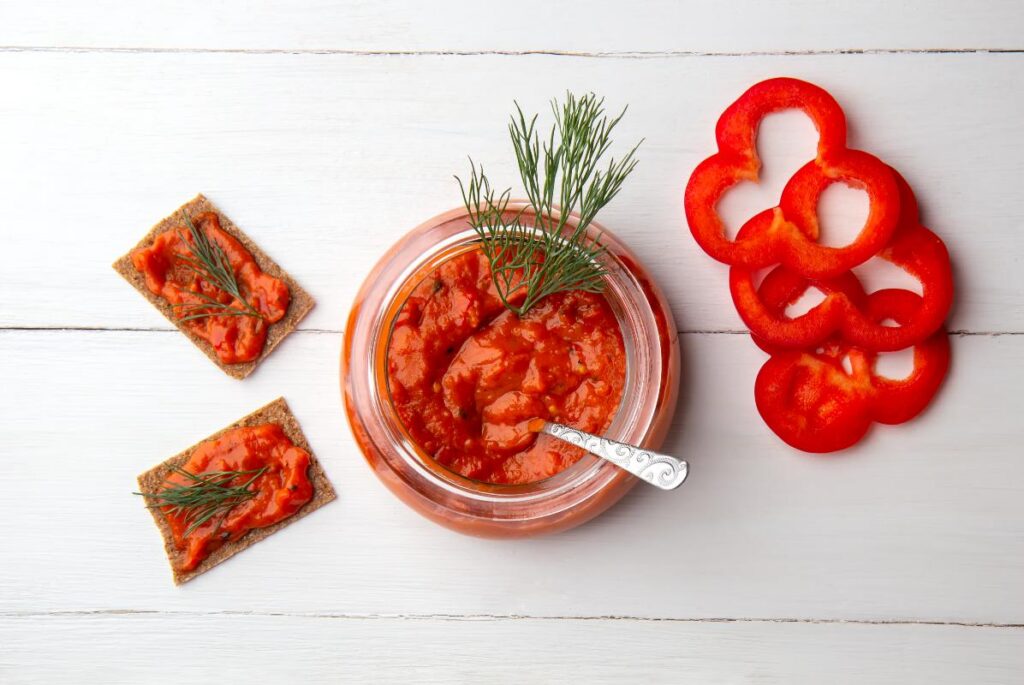
In this guide, you will learn how ajvar is traditionally made, why it has become internationally recognized, and how to use it in modern recipes. From classic serving methods to innovative culinary applications, ajvar remains one of the most versatile ingredients in Balkan cuisine.
What Makes Ajvar the Famous Balkan Caviar
For many people discovering Balkan cuisine, the first question is simple: What is Ajvar?
Ajvar is a traditional Balkan roasted red pepper spread made primarily from roasted red peppers, oil, salt, and sometimes eggplant. Its smooth texture, vibrant color, and deep smoky flavor have earned it the nickname “Balkan caviar.”
Unlike luxury caviar, the comparison is not about ingredients but about cultural significance. Across Serbia and the Balkans, ajvar is considered a treasured specialty that appears on family tables, holiday gatherings, and celebrations.
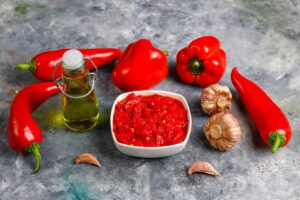
Authentic ajvar is typically prepared using carefully selected ajvarski peppers, a variety known for its sweetness, thick flesh, and suitability for roasting. The roasting process creates the characteristic flavor profile that distinguishes authentic ajvar from ordinary pepper spreads.
Today, ajvar is recognized worldwide as both a gourmet condiment and an essential part of Balkan gastronomy.
The Cultural Importance of Real Balkan Homemade Ajvar
Few foods are as closely connected to family traditions as real Balkan homemade ajvar.
Every autumn, families throughout Serbia gather to prepare large batches of ajvar. This seasonal tradition is about more than food—it represents community, heritage, and craftsmanship. The preparation often becomes a social event involving multiple generations.
The popularity of homemade ajvar stems from the care invested in every stage of production. Unlike industrial alternatives, homemade versions emphasize quality ingredients and slow preparation.
The tradition continues to thrive because it creates a product with exceptional flavor while preserving an important aspect of Balkan culture.
The Ajvar Process From Pepper to Jar
Understanding the ajvar process helps explain why authentic ajvar is so highly valued.
The production begins with selecting premium ajvarski peppers. These peppers are roasted until their skins become charred, creating the smoky notes that define traditional ajvar.
The process generally includes:
- Selecting ripe red peppers
- Roasting over open flame or high heat
- Peeling and removing seeds
- Grinding the peppers
- Slow cooking for several hours
- Adding oil and seasonings
- Packaging and preserving
The most important stage is the slow cooking process. This allows excess moisture to evaporate while concentrating flavor and achieving the signature texture.

A traditional ajvar recipe requires patience rather than complexity. The ingredient list remains surprisingly simple, but the time and attention dedicated to preparation create the final product’s richness.
Many culinary experts consider this slow-cooked approach one of the defining characteristics of authentic Balkan cooking.
Traditional Ajvar Recipe and Authentic Balkan Flavors
The best authentic recipes often rely on simple ingredients and proven techniques. Ajvar perfectly embodies this philosophy.
A traditional recipe typically contains:
- Roasted red peppers
- Sunflower oil
- Salt
- Optional roasted eggplant
The absence of unnecessary ingredients allows the natural sweetness of the peppers to shine. This simplicity explains why ajvar works equally well as a condiment, dip, spread, or cooking ingredient.

The flavor profile balances sweetness, smokiness, and mild acidity. Depending on regional variations, some recipes include spicy peppers to create a hotter version.
What makes a Serbian red pepper spread unique is its depth of flavor. The extended roasting and cooking process produces complexity that cannot be replicated with shortcuts.
For many people, authentic ajvar represents the essence of Balkan comfort food. It combines humble ingredients with meticulous preparation to create something far greater than the sum of its parts.
Why Serbian Red Pepper Relish Continues to Gain Popularity
The global rise of Mediterranean and Balkan cuisine has helped introduce Serbian red pepper relish to new audiences.
Consumers increasingly seek natural ingredients, traditional preparation methods, and authentic cultural experiences. Ajvar meets all of these expectations while offering exceptional versatility.
Its popularity has expanded beyond Balkan communities and into modern restaurants, specialty markets, and gourmet food programs worldwide.
Another key reason for its growth is the increasing interest in plant-based and clean-label foods, where ajvar fits naturally due to its simple, vegetable-based composition. In addition, chefs and food brands are using it as a premium ingredient in fusion cuisine, helping it reach new culinary markets and strengthen its global recognition.
Serving Suggestions for Modern Kitchens
One reason ajvar remains relevant today is its incredible versatility.
Modern serving suggestions extend far beyond traditional uses. While ajvar is still commonly served with bread, grilled meats, and cheese, contemporary chefs have found countless creative applications.
Popular serving ideas include:
- Spread on artisan sandwiches
- Served with grilled vegetables
- Added to gourmet burgers
- Mixed into pasta sauces
- Paired with charcuterie boards
As one of the most versatile spreads and appetizers, ajvar works equally well in casual meals and luxury dining experiences.
The rich roasted pepper flavor complements a wide range of ingredients without overpowering them. This makes it ideal for chefs seeking to introduce Balkan influences into modern cuisine.
It can also be used as a base for sauces, marinades, or dips, adding depth and smoky complexity to simple dishes. In modern kitchens, ajvar is increasingly used in fusion recipes where traditional Balkan flavors meet international culinary styles, making it a staple ingredient for creative chefs and home cooks alike.
Ajvar Guide Modern Recipes Inspired by Balkan Tradition
Modern culinary trends increasingly focus on combining tradition with innovation. Ajvar fits perfectly within this approach.
Creative chefs now use ajvar in:
- Contemporary tasting menus
- Gourmet brunch dishes
- Elevated appetizers
- Fusion cuisine concepts
- Private dining experiences
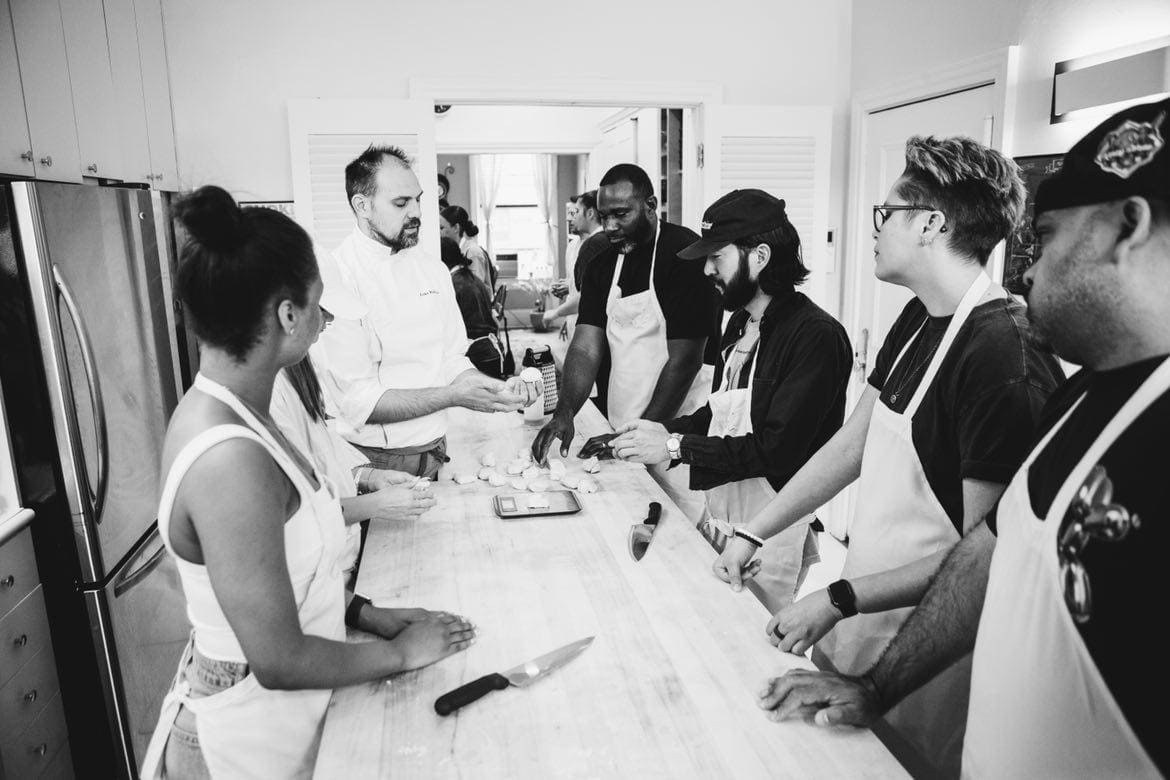
At Loza NYC, Balkan ingredients are often incorporated into refined dining experiences that celebrate both heritage and creativity. Ajvar serves as an ideal example of how traditional ingredients can remain relevant in contemporary gastronomy.
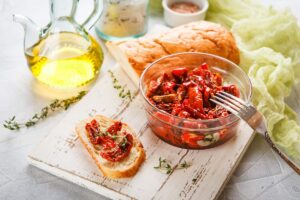
Whether used as a simple spread or as part of a sophisticated recipe, ajvar continues to demonstrate why it is considered one of the most important culinary products of the Balkans.
FAQ
- What is ajvar?
Ajvar is a traditional Balkan roasted red pepper spread made primarily from roasted peppers, oil, and seasonings. It is especially popular in Serbia and throughout the Balkans. - Why is ajvar called the “Balkan Caviar”?
Ajvar is often called the “Balkan Caviar” because of its cultural importance, rich flavor, and status as one of the region’s most prized traditional foods. - What are Ajvarski peppers?
Ajvarski peppers are a special variety of red peppers known for their sweet flavor, thick flesh, and suitability for making authentic ajvar. - Is ajvar spicy or mild?
Traditional ajvar is usually mild, but some recipes include hot peppers to create a spicy version. The flavor depends on regional and family preferences. - How is authentic homemade ajvar made?
Real Balkan homemade ajvar is made by roasting peppers, peeling them, grinding them, and slowly cooking them with oil until a rich, smooth consistency is achieved. - How is ajvar traditionally served?
Ajvar is commonly served with bread, grilled meats, cheese platters, roasted vegetables, and various Balkan appetizers. - Can ajvar be used in modern recipes?
Yes. Ajvar works well in sandwiches, burgers, pasta sauces, grain bowls, pizzas, and contemporary fusion dishes. - Is ajvar vegan?
Most traditional ajvar recipes are naturally vegan because they are made primarily from peppers, oil, and seasonings without animal products. - How should ajvar be stored after opening?
After opening, ajvar should be kept refrigerated in a sealed container and consumed according to the manufacturer’s recommendations. - What makes Serbian ajvar different from other pepper spreads?
The combination of carefully selected peppers, slow cooking methods, and traditional preparation techniques gives Serbian ajvar its distinctive smoky flavor and rich texture.