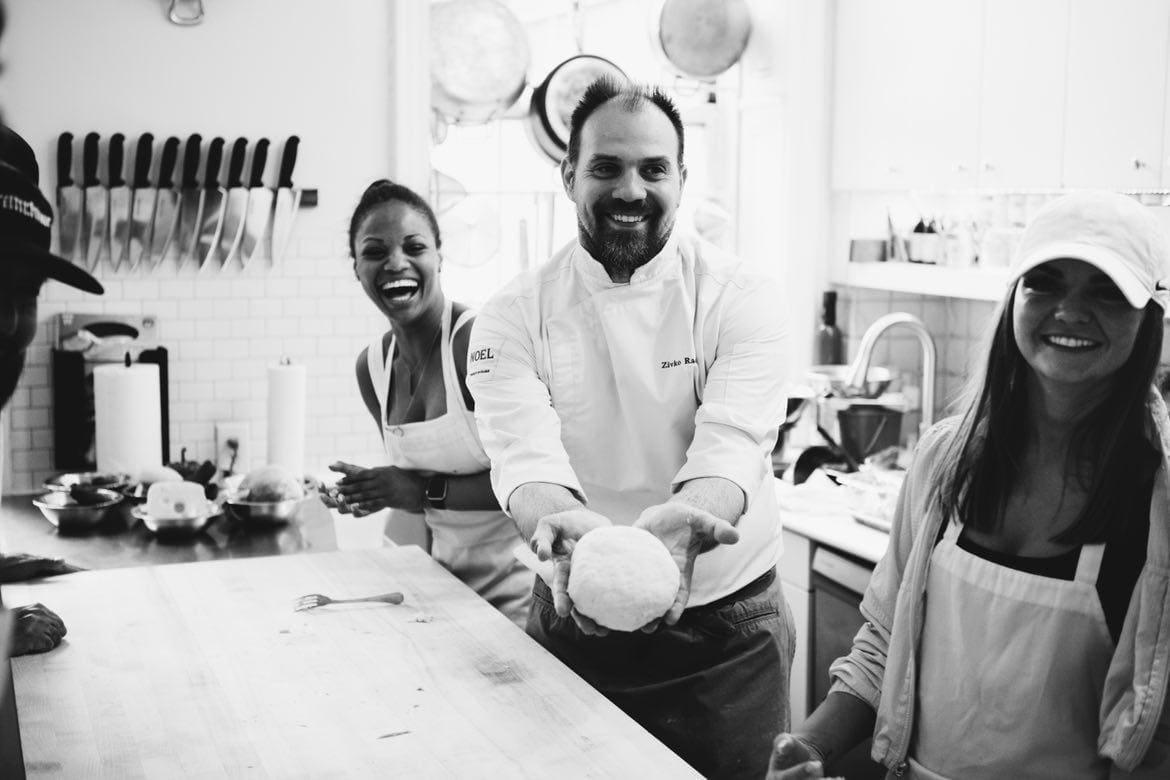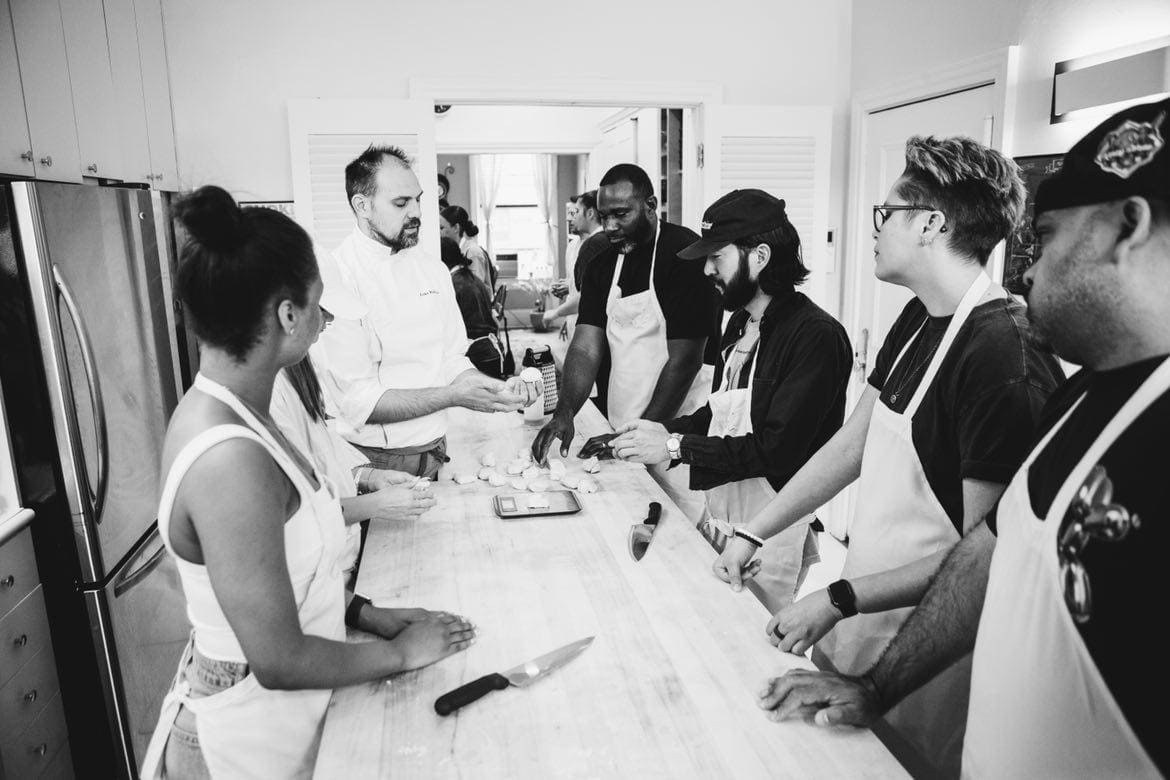
Corporate Team Building is one of the most effective ways to improve communication, trust, and collaboration inside modern organizations. Team Building in corporations through shared experiences goes beyond traditional meetings and workshops, offering a more engaging and human-centered approach. In this article, you will discover why cooking-based experiences are becoming the most powerful format for team connection, how culinary activities improve workplace dynamics, and what makes them more effective than standard corporate events. We will explore structure, benefits, psychology, and real-world applications of cooking-based team experiences at Loza NYC.
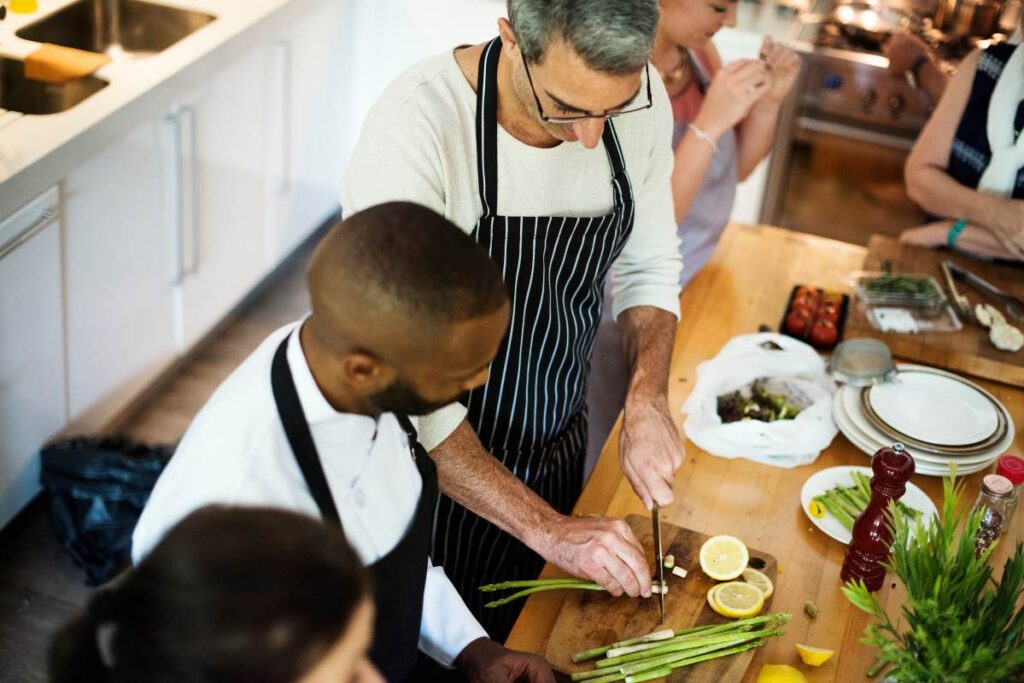
Corporate Team Building as a the foundation of modern workplace connection
Team Building in corporations today is no longer about forced activities or generic seminars. Instead, companies are turning to immersive experiences such as cooking classes for team building and interactive culinary environments that encourage natural collaboration. This shift is driven by the need for real communication rather than structured corporate exercises.

In a team cooking class, employees step outside of their usual roles and interact in a completely different environment. Hierarchies disappear, communication becomes natural, and teamwork happens organically. This is why culinary team building is now considered one of the most effective forms of employee engagement.
One of the biggest advantages of corporate team building through cooking is that it requires participation from everyone. There is no passive observation — every team member contributes to the final result. This creates shared responsibility and immediate feedback loops.
Key benefits include:
- Improved communication under time constraints
- Strengthened collaboration in real-time tasks
- Increased trust between team members
- Enhanced creativity through shared problem-solving
Beyond these benefits, cooking-based experiences help create stronger personal connections between colleagues. Employees often discover shared interests and develop a deeper understanding of one another outside the workplace. This can improve workplace culture, reduce communication barriers, and foster a more collaborative mindset. Team Building in corporations activities that involve hands-on participation also tend to generate higher engagement levels than traditional events. By working together toward a common goal and celebrating the final result, teams build stronger relationships that continue to positively influence performance, cooperation, and morale long after the event has ended.
Why Cooking Classes outperform traditional team building formats
Team Building often fails when it feels artificial or disconnected from real work dynamics. Traditional workshops rarely create lasting emotional impact, which is why companies are now shifting toward corporate cooking classes as a more engaging solution.
In a culinary environment, teams participate in group cooking classes where they must coordinate, communicate, and execute tasks together under time pressure. This mirrors real workplace challenges, but in a fun and low-risk setting.
Unlike passive seminars, cooking team building activities require constant interaction. Teams must:
- Divide responsibilities effectively
- Solve problems in real time
- Adapt quickly to unexpected changes
- Communicate clearly under pressure
This makes corporate team building through cooking a highly practical learning experience. It is not theoretical — it is experiential.
Another advantage is emotional bonding. Sharing a meal that the team has prepared together creates a sense of accomplishment and unity that is difficult to replicate in traditional corporate environments.
Cooking classes also provide an inclusive environment where employees of different departments, experience levels, and personalities can contribute equally. Unlike competitive activities that may highlight individual performance, culinary experiences focus on collective success and shared achievement. Participants learn to trust one another, support teammates, and celebrate results together. This collaborative atmosphere often leads to stronger workplace relationships and improved team morale. As a result, corporate cooking classes create meaningful experiences that employees genuinely enjoy while delivering long-term benefits for communication, engagement, and overall team performance.
How Culinary Team Building improves communication and trust
One of the core reasons team building works so effectively in a kitchen environment is communication. In cooking classes for team building, teams must coordinate timing, ingredients, and execution without confusion.
Unlike office communication, which can be filtered or delayed, culinary environments demand immediate clarity. This strengthens active listening, decision-making, and leadership skills.
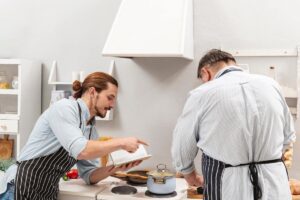
In a team cooking class, leadership naturally emerges. Some individuals take initiative, while others support execution. This dynamic allows teams to discover hidden strengths and improve internal understanding.
Culinary environments also reduce workplace pressure. When employees engage in cooking team building activities, they are more relaxed, open, and willing to collaborate without fear of hierarchy.
Additional benefits include:
- Faster trust-building between departments
- Improved empathy among team members
- Stronger cross-functional cooperation
- Increased morale and engagement
Corporate team building in this format creates lasting behavioral changes rather than temporary motivation.
Another important advantage is that culinary challenges encourage employees to rely on one another to achieve a common objective. Success depends on cooperation, adaptability, and mutual support rather than individual performance. This creates opportunities for colleagues to build confidence in each other’s abilities and develop stronger professional relationships. As communication improves in a relaxed setting, teams often become more effective at resolving conflicts and sharing ideas. These benefits frequently carry over into the workplace, leading to greater collaboration, higher productivity, and a more positive organizational culture overall.
The structure of a perfect Corporate Cooking experience
A successful team building event must be carefully designed to ensure flow, engagement, and impact. At Loza NYC, corporate cooking classes are structured to maximize interaction and learning.
A typical group cooking classes experience includes:
- Introduction and team briefing
- Division of roles and responsibilities
- Guided cooking session with professional chefs
- Plating, presentation, and shared dining experience
Each phase of cooking team building is designed to encourage collaboration. Teams are constantly interacting, solving problems, and working toward a shared goal.
Unlike traditional events, cooking team building ends with a shared meal, reinforcing emotional connection. This final stage is crucial, as it transforms effort into celebration.
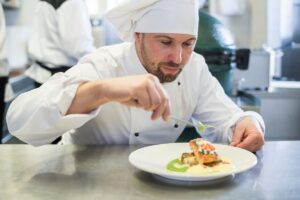
A well-designed cooking experience also creates opportunities for participants to develop practical workplace skills in a relaxed setting. Team members learn how to communicate efficiently, adapt to changing situations, and support one another throughout the process. Professional chefs guide the experience while encouraging creativity and collaboration, ensuring that everyone remains actively involved. The hands-on nature of corporate cooking classes helps break down barriers between departments and fosters stronger interpersonal relationships. By combining teamwork, creativity, and shared achievement, the experience delivers both immediate enjoyment and long-term benefits for workplace culture, employee engagement, and overall team performance.
Why Corporate Team Building through food creates lasting impact
Cooking Team Building is most effective when it creates emotional memory. Food-based experiences are uniquely powerful because they combine creativity, collaboration, and reward.
In cooking classes for team building, participants not only work together but also share the final outcome of their effort. This reinforces teamwork in a tangible way.
Psychologically, culinary team building activates positive association loops:
- Shared success increases trust
- Creative collaboration improves engagement
- Positive emotional experiences strengthen workplace relationships
Unlike standard corporate workshops, Cooking Team Building creates sensory memory — taste, smell, and experience all contribute to stronger recall.
Companies that invest in Corporate cooking classes often report:
- Higher employee satisfaction
- Improved internal communication
- Stronger team cohesion
- Better workplace culture
This lasting impact is further strengthened by the informal and relaxed environment that food-based experiences naturally create. When employees are removed from the typical office setting, they interact more authentically and openly, which leads to stronger interpersonal connections. Shared meals after the cooking process serve as a final reinforcement of teamwork, turning effort into celebration. Over time, these experiences help shape a more positive organizational identity where collaboration becomes a natural habit rather than a forced requirement. As a result, culinary team building is not just an activity, but a long-term investment in company culture and employee well-being.
How to choose the right Corporate Team Building experience
Not all Team Building programs are the same. Choosing the right format depends on company size, goals, and team dynamics.
When selecting Cooking Classes for Team Building, consider:
- Group size and structure
- Dietary preferences and restrictions
- Desired level of competition or collaboration
- Learning outcomes (communication, leadership, creativity)
At Loza NYC, each Team Cooking Class is customized to match company objectives. Whether the goal is relaxation, bonding, or skill development, Culinary Team Building can be adapted accordingly.
Team Building becomes significantly more effective when it is personalized rather than generic.

A well-matched experience ensures that every participant feels included and engaged throughout the process. Smaller teams often benefit from more intimate, hands-on formats, while larger groups may require structured stations to maintain flow and interaction. It is also important to align the culinary concept with the company culture, as this increases relevance and engagement. Seasonal menus, interactive challenges, and guided chef experiences can further enhance participation. When the format reflects the team’s goals and dynamics, the result is a more meaningful and impactful experience that strengthens communication, trust, and long-term collaboration within the organization.
Benefits of a Team-Building Cooking Class
A team-building cooking class is one of the most effective ways to strengthen workplace relationships while creating a fun and engaging experience. Unlike traditional corporate events, cooking classes encourage employees to collaborate naturally, communicate effectively, and work toward a shared goal in a relaxed environment.
One of the biggest benefits of a team-building cooking class is improved communication. Participants must coordinate tasks, share responsibilities, and make decisions together throughout the cooking process. This helps develop stronger communication skills that can be transferred directly to the workplace.
Another major advantage is enhanced teamwork. Cooking requires collaboration, time management, and problem-solving, making it an excellent activity for building trust among colleagues. Team members learn how to support one another while working under light pressure, which often reveals strengths and leadership qualities that may not be visible in a traditional office setting.
Team cooking experiences also promote creativity and innovation. Preparing dishes together encourages participants to think creatively, adapt to challenges, and contribute ideas. These skills are highly valuable in modern business environments where flexibility and collaboration are essential.
In addition to professional benefits, cooking classes create memorable shared experiences. Employees enjoy spending time together outside the office, strengthening personal connections and boosting overall morale. Sharing a meal that the team has prepared together creates a sense of accomplishment and reinforces a positive team culture.
Ultimately, a team-building cooking class combines learning, collaboration, and enjoyment in a way that traditional corporate activities often cannot. It is an engaging and effective solution for organizations looking to improve communication, strengthen relationships, and create a more connected and motivated team.
Final insight – Why cooking is the future of Team Building
Team Building is evolving, and cooking-based experiences are leading this transformation. The combination of teamwork, creativity, and shared experience makes Culinary Team Building one of the most effective corporate tools today.
Unlike traditional methods, Cooking Team Building creates real-time collaboration that mirrors workplace dynamics in a more engaging and human way. It strengthens communication, builds trust, and creates memorable shared experiences that last long after the event ends.
At Loza NYC, Corporate Team Building is not just an activity — it is a curated experience designed to bring teams closer together through food, creativity, and connection.
Cooking-based team building also stands out because it engages multiple senses simultaneously, which increases emotional retention and learning impact. Participants are not just listening or observing — they are actively involved in every step of the process, from preparation to plating. This hands-on approach encourages accountability and ownership, which directly translates to improved workplace behavior.
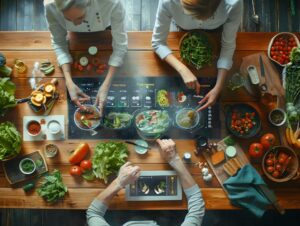
Another important factor is inclusivity. Culinary experiences allow individuals of different skill levels, backgrounds, and roles to contribute equally, eliminating traditional workplace hierarchies. This creates a balanced environment where collaboration feels natural rather than forced.
As companies continue to prioritize employee engagement and workplace culture, cooking-based Corporate Team Building is becoming a strategic investment rather than a simple event choice. It supports long-term organizational growth by improving communication patterns, strengthening interpersonal trust, and fostering a more connected and motivated workforce. In this way, culinary experiences are not just a trend, but a lasting evolution in how teams are built and maintained.
FAQ
- What is Corporate Team Building through cooking classes?
It is a structured team experience where employees cook together in a guided environment, improving communication, collaboration, and teamwork through a shared culinary activity.
- Why are cooking classes effective for team bonding?
Cooking requires coordination, timing, and cooperation, which naturally strengthens trust, communication, and problem-solving skills within a team.
- How does a cooking class improve workplace communication?
Teams must communicate clearly and quickly while preparing dishes, which helps improve active listening and reduces misunderstandings in the workplace.
- Is Corporate Team Building in a kitchen suitable for all teams?
Yes, it is suitable for all industries and team sizes because activities can be adapted to different skill levels, group sizes, and goals.
- What skills do employees develop during a cooking team building event?
Participants develop leadership, time management, collaboration, adaptability, and creative problem-solving skills.
- Do employees need cooking experience to participate?
No, no prior cooking experience is required. Professional chefs guide the entire process and ensure everyone is involved and supported.
- How does cooking team building improve company culture?
It creates shared positive experiences, reduces workplace hierarchy barriers, and strengthens interpersonal relationships across teams.
- How long does a typical Corporate Cooking Team Building event last?
Most sessions last between 2 to 4 hours, depending on group size, menu complexity, and event structure.
- What makes cooking classes better than traditional team building activities?
They are more interactive, hands-on, and emotionally engaging, which leads to stronger and longer-lasting team connections.
- Can the cooking experience be customized for companies?
Yes, events can be fully customized based on company goals, dietary needs, team size, and desired level of interaction or competition.