
Italian Sauces Guide is your gateway to understanding the heart of Italian cuisine. From simple tomato-based sauces to rich and creamy classics, Italian sauces define flavor, tradition, and technique. In this guide, you will discover the most popular Italian Pasta Sauces, how they are made, and how to pair them perfectly with pasta. Whether you are a home cook or a food enthusiast, this article will help you master essential recipes and understand what makes Traditional Pasta Sauces truly authentic.
Guide to Italian Sauces – What Defines Authentic Italian Sauces
Authentic Italian Sauces are built on simplicity, quality ingredients, and balance. Unlike many modern recipes, traditional Italian cooking focuses on letting each ingredient shine rather than overwhelming the dish with complexity. This philosophy is what makes Italian cuisine globally respected and timeless.
A true Pasta Sauce is carefully crafted using fresh, seasonal ingredients such as tomatoes, olive oil, garlic, herbs, and cheese. Each region in Italy has its own variations, creating a rich diversity of flavors and techniques. For example, southern Italy favors tomato-based sauces, while northern regions often use butter, cream, and cheese.
Key principles of authentic Italian sauces include:
- Minimal ingredients with maximum flavor
- Proper cooking techniques and timing
- Respect for traditional recipes
- Balance between acidity, fat, and seasoning
Understanding these fundamentals is essential for mastering any Italian Pasta Sauce, whether it’s a simple marinara or a complex ragu.
Contact us to experience authentic Italian flavors crafted with precision and passion.
Italian Sauces – Essential Ingredients and Flavor Foundations
The foundation of every great Italian Sauces lies in understanding the ingredients. Each component contributes to the overall taste, texture, and authenticity of the final dish.
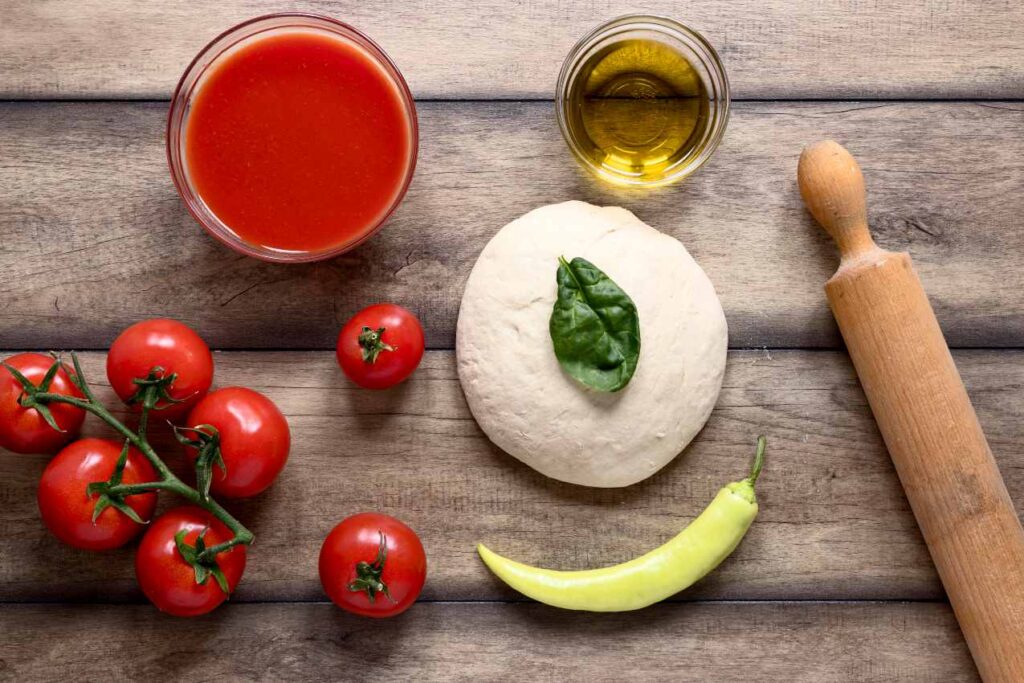
Tomatoes are at the core of many Traditional Pasta Sauces, especially in southern Italian cuisine. San Marzano tomatoes are often preferred due to their natural sweetness and low acidity. Olive oil is another essential element, used as a base for building flavor and enhancing aroma.
Garlic, onions, and fresh herbs like basil and oregano create the aromatic backbone of many sauces. Cheese also plays a major role, with varieties such as Parmesan and Pecorino adding richness and depth.
Other important ingredients include:
- Guanciale or pancetta for savory meat-based sauces
- Butter and cream for northern Italian recipes
- Seafood and white wine for lighter sauces
The key to success is using high-quality, fresh ingredients and combining them with the right techniques. Even the simplest spaghetti sauce can become exceptional when made with care and attention to detail.
Book your private chef experience and discover the art of authentic Italian cooking.
Types of Italian Sauces
Types of Italian sauces are the foundation of authentic cuisine and an essential part of any well-structured Italian Sauces. Italian cooking is known for its diversity, but also for its simplicity, where high-quality ingredients and proper techniques create rich and memorable flavors. Understanding the different types of sauces allows you to prepare a wide range of dishes and master the basics of Italian Pasta Sauces.
The most popular category includes tomato-based sauces, such as marinara, pomodoro, and arrabbiata. Marinara is quick and simple, while pomodoro is smoother and more refined. Arrabbiata adds a spicy kick with chili flakes, making it perfect for those who enjoy bold flavors.
Another important group consists of creamy and cheese-based sauces, including carbonara, Alfredo, and cacio e pepe. Carbonara is made with eggs, Pecorino cheese, and guanciale, while Alfredo is richer and creamier. Cacio e pepe stands out for its simplicity, using only cheese and black pepper.

Meat-based sauces are also essential, especially ragù and spaghetti bolognese. These sauces are slow-cooked to develop deep, complex flavors and are ideal for hearty meals.
Finally, seafood sauces like spaghetti alle vongole or frutti di mare offer a lighter option, combining olive oil, garlic, white wine, and fresh seafood.
Key characteristics of Italian sauces include:
- Simple recipes with strong flavor
- Fresh, quality ingredients
- Proper technique and balance
Learning these variations helps you create authentic dishes and better understand Italian culinary traditions.
Guide to Italian Sauces – Classic Tomato-Based Sauces
Tomato-based sauces are among the most iconic elements of any Guide to Italian Sauces. They are versatile, flavorful, and form the base of many beloved dishes.
Marinara is one of the simplest sauces, made with tomatoes, garlic, olive oil, and herbs. It is light, fresh, and perfect for quick meals. Pomodoro sauce, on the other hand, is smoother and slightly sweeter, often used for classic pasta dishes.
Arrabbiata sauce introduces heat with chili flakes, adding a spicy twist to traditional flavors. Amatriciana combines tomatoes with guanciale and Pecorino cheese, creating a rich and savory profile.
These sauces highlight the beauty of Italian Pasta Sauces—simple ingredients transformed into bold flavors. They are commonly used with spaghetti, penne, or other pasta shapes.
Key characteristics include:
- Fresh tomato flavor
- Balanced acidity
- Light yet rich consistency
Whether you are making a basic spaghetti sauce or exploring regional variations, tomato-based sauces are essential for mastering Italian cuisine.
Contact us to learn how to prepare authentic Italian sauces like a professional chef.
Italian Cooking Sauce Guide – Creamy and Cheese-Based Classics
Creamy sauces are another important category in the Italian Cooking Sauce Guide, offering rich and indulgent flavors. These sauces are often associated with northern Italy, where dairy plays a significant role in cooking.
Alfredo sauce is one of the most well-known creamy sauces, made with butter, cream, and Parmesan cheese. However, traditional Italian versions are often simpler and rely on fewer ingredients.

Carbonara is a classic example of technique-driven cooking. Made with eggs, Pecorino cheese, guanciale, and black pepper, it does not include cream. The creamy texture comes from emulsifying eggs with pasta water, creating a smooth and silky sauce.
Cacio e Pepe is another minimalist dish, combining cheese and black pepper into a creamy consistency. These recipes demonstrate how Traditional Pasta Sauces rely on technique rather than heavy ingredients.
Key elements of creamy sauces include:
- Proper emulsification
- Temperature control
- High-quality cheese
Book your chef experience and discover the secrets behind perfect creamy Italian sauces.
Italian Cooking Sauce Guide – Meat-Based Sauces and Ragù Traditions
Meat-based sauces, particularly ragù, are central to any Italian Cooking Sauce Guide. These sauces are rich, slow-cooked, and deeply flavorful, often served with pasta or used in layered dishes like lasagna.
Bolognese, or ragù alla Bolognese, is one of the most famous examples. It combines ground meat, tomatoes, wine, and vegetables, cooked slowly to develop complex flavors. Contrary to popular belief, authentic versions are not overly tomato-heavy but focus on meat richness.

Other variations of ragu spaghetti sauce exist across Italy, each with its own regional identity. Some use pork, others beef, and some combine multiple meats for added depth.
Characteristics of meat-based sauces include:
- Long cooking time for flavor development
- Rich, hearty texture
- Balanced use of tomato and meat
These sauces pair best with wider pasta shapes like tagliatelle, which can hold the thick consistency.
Contact us and experience authentic ragù prepared with traditional techniques.
Popular Italian Sauce Recipes
Popular Italian sauce recipes are a key part of every authentic Guide to Italian Sauces, offering a perfect balance of simplicity, flavor, and tradition. Mastering these Italian Pasta Sauces allows you to recreate classic dishes at home while understanding the essence of Italian cooking.
One of the most famous sauces is marinara sauce. It is quick and easy to prepare—simply sauté garlic in olive oil, add crushed tomatoes, salt, and fresh basil, then simmer for 15–20 minutes. This light and fresh pasta sauce is perfect for spaghetti or penne.
Another classic is carbonara sauce, known for its creamy texture without using cream. Cook guanciale until crispy, then mix hot pasta with eggs, Pecorino cheese, and black pepper. Add a bit of pasta water to create a smooth, silky consistency.
Bolognese sauce, also known as ragu spaghetti sauce, is a rich and hearty option. Start by sautéing onion, carrot, and celery, then add ground meat, tomatoes, and a splash of wine. Let it simmer slowly for at least one hour to develop deep flavors.
For a simple yet flavorful option, try cacio e pepe. Combine cooked pasta with Pecorino cheese, black pepper, and pasta water to create a creamy, well-balanced sauce.

These recipes highlight the beauty of Traditional Pasta Sauces, where a few quality ingredients and proper techniques create unforgettable meals.
Tips for Successfully Preparing Italian Sauces
Tips for successfully preparing Italian sauces are essential for anyone looking to master authentic flavors from a well-crafted Italian Cooking Sauce Guide. Whether you are making a simple tomato-based pasta sauce or a rich, creamy classic, the key lies in technique, ingredient quality, and attention to detail.
One of the most important rules in preparing Italian Pasta Sauces is to use fresh, high-quality ingredients. Tomatoes, olive oil, garlic, and herbs should always be carefully selected, as they form the base of most recipes. Even the simplest sauce can taste exceptional when made with premium ingredients.
Another crucial tip is to control heat and cooking time. Cooking garlic too quickly can make it bitter, while slow simmering allows flavors to develop fully. For sauces like ragu spaghetti sauce, patience is essential, as longer cooking results in deeper, richer taste.
Proper emulsification is also important, especially for sauces like carbonara. Adding pasta water gradually helps bind the ingredients and creates a smooth, creamy texture without the need for cream.
Additional useful tips include:
- Salt your pasta water properly for better flavor
- Avoid overloading sauces with ingredients
- Match sauces with the right pasta shapes
By following these techniques, you can elevate your cooking and create authentic, well-balanced Italian Sauces that reflect true Italian culinary tradition.
Italian Cooking Sauce Guide – Cooking Techniques and Pasta Pairing
Mastering Italian sauces is not only about ingredients but also about technique. The success of any Italian Pasta Sauce depends on proper cooking methods and correct pasta pairing.
Key techniques include:
- Building flavor layers step by step
- Using pasta water to adjust consistency
- Controlling heat to prevent burning or curdling
- Timing the sauce with pasta cooking
Pairing sauces with the right pasta shape is equally important. For example:
- Light sauces work best with long pasta like spaghetti
- Thick sauces pair well with short pasta like penne
- Creamy sauces coat flat pasta like fettuccine perfectly
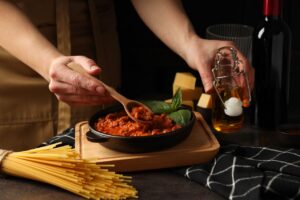
Understanding these principles ensures that each dish achieves balance and harmony. Even a simple spaghetti bolognese can be elevated with the right technique and pairing.
Book your private dining experience and learn how to combine sauces and pasta like a professional chef.
FAQ – Guide to Italian Sauces: From Marinara to Carbonara
- What is included in an Italian Cooking Sauce Guide ?
An Italian Sauces Guide covers the most popular Italian Pasta Sauces, including tomato-based, creamy, and meat-based sauces, along with techniques, ingredients, and proper pasta pairings. - What is the difference between marinara and pomodoro sauce?
Marinara is a simple, quick sauce made with garlic, tomatoes, and olive oil, while pomodoro is smoother, slightly sweeter, and often cooked longer for a more refined flavor. - Is carbonara made with cream?
No, authentic carbonara does not use cream. The creamy texture comes from eggs, cheese, and pasta water, which are combined to create a smooth sauce. - What are the most popular Italian pasta sauces?
Some of the most popular sauces include marinara, arrabbiata, carbonara, Alfredo, and ragù (often used in dishes like spaghetti bolognese). - How do you thicken an Italian pasta sauce naturally?
You can thicken a sauce by simmering it longer, adding grated cheese, or using pasta water, which contains starch that helps create a better consistency. - Which pasta goes best with which sauce?
- Light sauces → spaghetti or linguine
- Thick sauces → penne or rigatoni
- Creamy sauces → fettuccine
Matching sauce and pasta shape is essential for the best texture and flavor.
- What is the difference between ragù and bolognese?
Ragù is a general term for meat-based sauces, while Bolognese is a specific type of ragù from Bologna, known for its slow cooking and balanced ingredients. - Can Italian sauces be made in advance?
Yes, most sauces can be prepared ahead of time and stored in the refrigerator or freezer. In fact, some sauces taste even better the next day. - What are common mistakes when making Italian sauces?
Common mistakes include overcooking garlic, adding too many ingredients, using low-quality products, and not balancing flavors properly. - How important is pasta water in Italian cooking?
Pasta water is very important because its starch helps bind the sauce and pasta together, creating a smooth and cohesive dish. - What makes traditional Italian sauces different from modern versions?
Traditional sauces focus on simplicity and authentic ingredients, while modern versions often include additional flavors, cream, or fusion elements. - Can beginners successfully make Italian sauces at home?
Yes, with the right ingredients and basic techniques, even beginners can prepare delicious and authentic Italian Pasta Sauces at home.