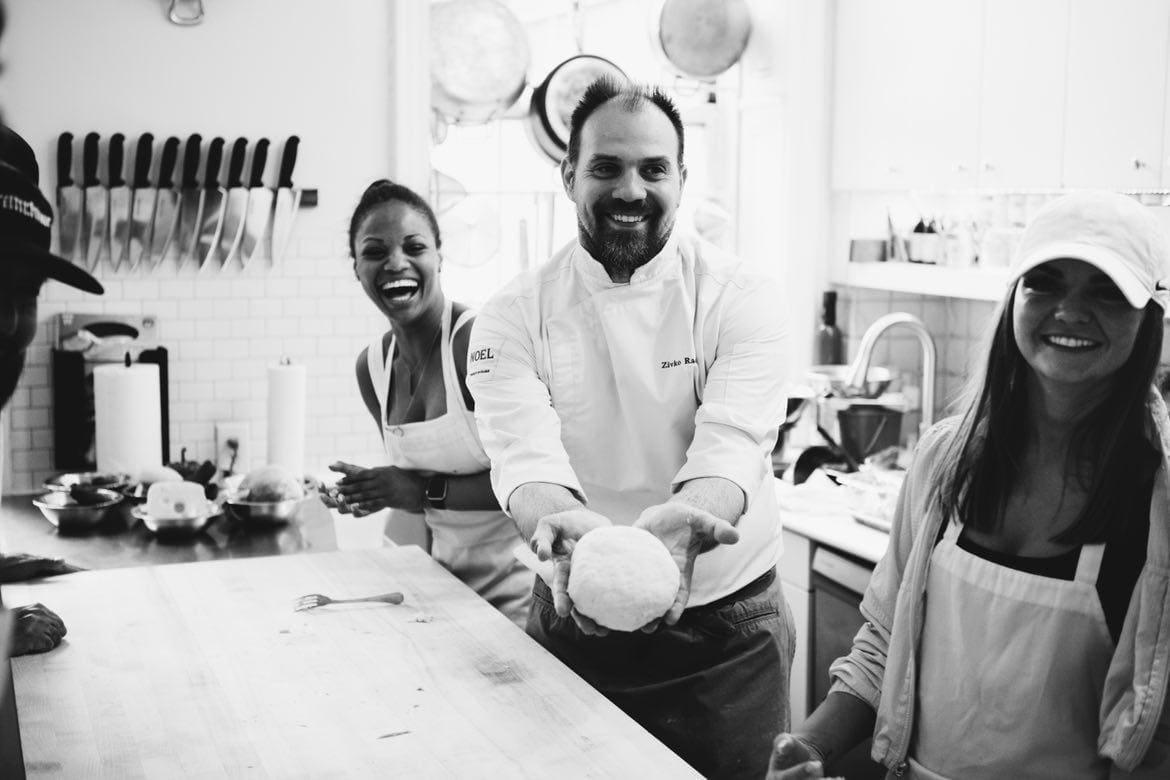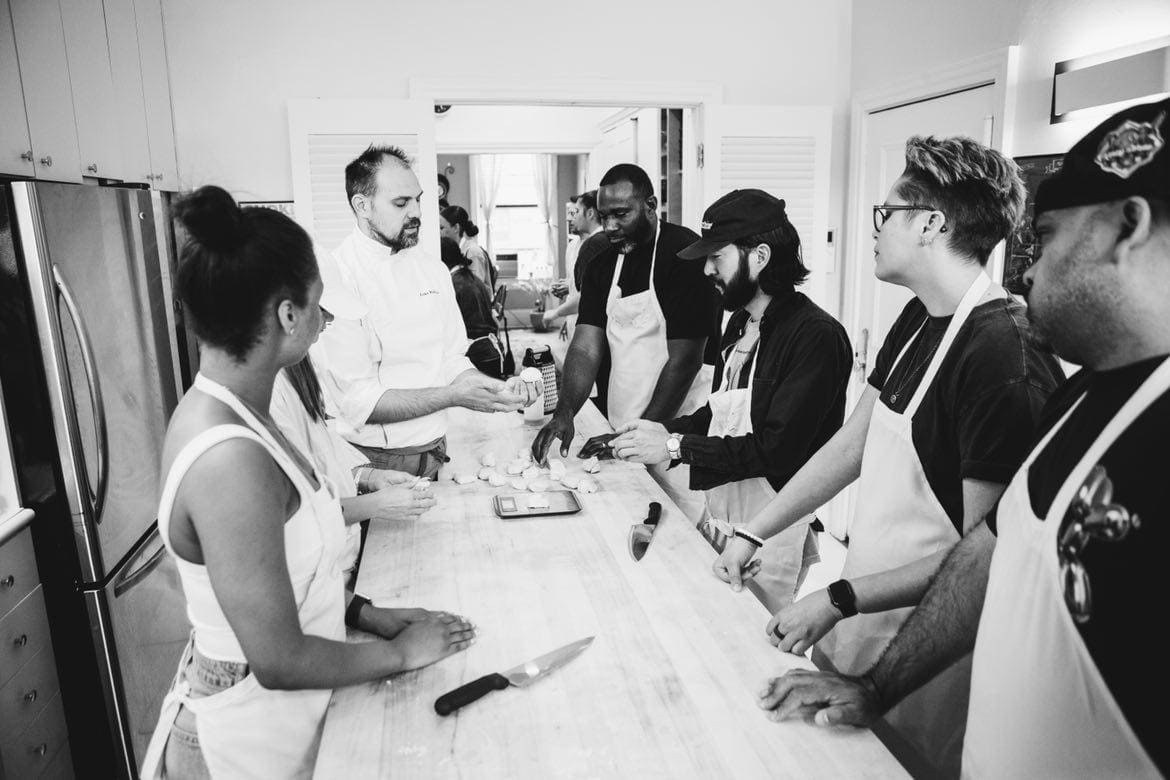
Dinner Party Planning is the foundation of every successful home gathering, especially when the goal is to create a luxury experience without stress. Dinner Party Planning helps you transform your space, menu, and timing into a seamless flow that feels effortless for both host and guests. In this guide, you will learn how to elevate your hosting approach, avoid common mistakes, and design an unforgettable evening at home. We will break down everything from concept creation and menu design to timing, ambiance, and execution so your event feels professionally curated rather than improvised.
Luxury Dinner Party Planning
Dinner party planning starts long before guests arrive — it begins with intention. Whether you are hosting your first dinner party or you are an experienced host, success depends on structure and clarity. Good planning a dinner party means defining your guest list, theme, and atmosphere early, so every decision supports one cohesive experience.
Luxury hosting is not about complexity — it is about control and simplicity. One of the most important hosting rules & tips is to reduce last-minute decisions. Choose a concept early: modern Balkan fine dining, seasonal tasting menu, or casual luxury experience. This allows every detail to feel intentional.

When thinking about hosting a dinner party, always consider flow. Guests should never feel confusion — from arrival to seating, every step should feel natural and guided. This is where professional-style dinner party planning makes a difference.
Key elements to define early:
- Guest count and seating layout
- Menu direction and dietary needs
- Beverage pairing strategy
- Table styling and ambiance
Beyond logistics, luxury dinner parties are built around creating a memorable atmosphere. Consider how guests will interact throughout the evening and design the experience to encourage conversation and comfort. Thoughtful seating arrangements, personalized menu elements, and carefully selected music can elevate the entire event. It is also helpful to establish a realistic budget early in the planning process to avoid unnecessary stress later. The most successful gatherings feel effortless because every detail has been considered in advance. With proper preparation and attention to guest experience, a dinner party becomes more than a meal—it becomes a curated occasion that leaves a lasting impression long after the final course is served.
Stress Free Execution Timeline
A successful dinner party planning strategy depends heavily on timing. The timeline is what separates chaotic hosting from smooth luxury execution. Without structure, even the best ideas lose impact.
Start your preparation at least 5–7 days before the event. This includes finalizing the menu, confirming guests, and preparing ingredients. 48 hours before the event, focus on shopping and pre-preparation. The day of the event should be reserved for finishing touches only.
Strong dinner party tips include breaking preparation into phases:
- Planning phase (concept + menu)
- Preparation phase (shopping + mise en place)
- Execution phase (cooking + serving)
- Experience phase (hosting + flow control)
One of the most overlooked party tips is to prepare more than you think you need in advance. This reduces stress and allows you to focus on guests instead of logistics.
Another important aspect of the timeline is identifying tasks that can be completed days ahead. Sauces, desserts, table settings, playlists, and beverage preparation can often be finalized before the event day. This approach minimizes last-minute pressure and creates space to handle unexpected situations calmly. Luxury hosting is not about rushing from task to task—it is about appearing relaxed and fully present. When your timeline is thoughtfully organized, you gain the freedom to enjoy meaningful conversations, welcome guests with confidence, and create an atmosphere that feels effortless from beginning to end.
CTA:
Contact Loza NYC for curated private dining events
Menu Design and Culinary Flow
In professional dinner party planning, the menu is the emotional core of the experience. It defines pacing, conversation, and atmosphere. A well-designed menu should feel balanced, seasonal, and structured in progression.
When planning a dinner party, always think in courses rather than dishes. A typical luxury structure includes:
- Welcome bite or amuse-bouche
- Starter with light acidity
- Main course with depth and richness
- Dessert with contrast and balance
One of the essential hosting rules & tips is not overloading guests. Fewer, better-executed dishes always outperform complex menus.
At Loza NYC, culinary storytelling plays a central role in dinner party planning. Each dish should contribute to a narrative — whether modern Balkan influence or seasonal New York ingredients.
Beverage pairing is equally important. Wine, cocktails, or non-alcoholic pairings should enhance, not overpower, the food.
A thoughtfully designed menu should also consider variety in texture, temperature, and flavor intensity throughout the meal. The progression from course to course should feel natural, keeping guests engaged without overwhelming the palate. Seasonal ingredients not only improve flavor and freshness but also help create a more authentic and memorable dining experience. Dietary preferences and restrictions should be addressed in advance to ensure every guest feels included. When food, beverages, and presentation work together seamlessly, the result is more than a dinner—it becomes a curated culinary journey that guests will remember long after the evening ends.
Ambiance, Design and Guest Experience
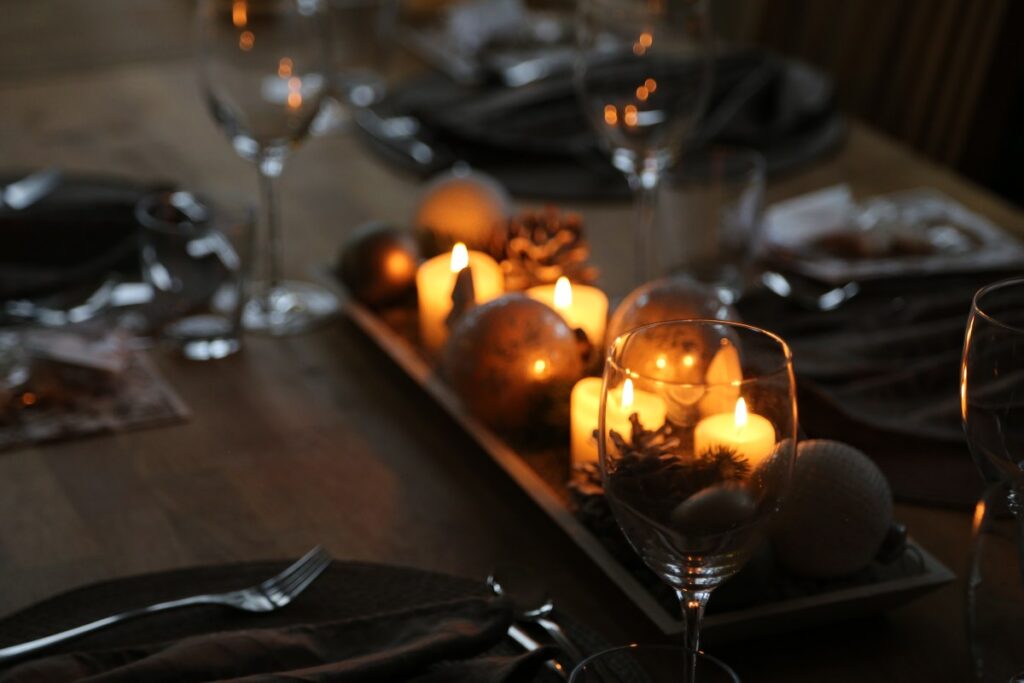
Dinner party planning is not only about food — it is about atmosphere. Lighting, sound, texture, and table design all contribute to the emotional experience of the evening.
When Hosting a dinner party, focus on creating a sensory balance:
- Warm, soft lighting instead of harsh overhead lights
- Minimal but intentional table styling
- Background music that supports conversation
- Comfortable seating arrangement for long dining
A key rule in dinner party planning is consistency. Everything from napkins to plating should feel part of the same aesthetic language.
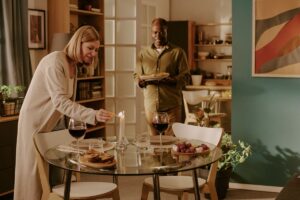
One of the most useful dinner party tips is to design the space as a journey — guests should feel progression from arrival to dining to after-dinner relaxation.
In luxury Dinner Party Planning, ambiance often becomes the element guests remember most. A thoughtfully designed environment creates comfort, encourages conversation, and enhances the overall dining experience. When Planning a dinner party, consider how colors, textures, tableware, and decorative details work together to support the theme of the evening. Fresh flowers, candles, elegant serving pieces, and personalized place settings can elevate the experience without overwhelming the space.
Another important aspect of Hosting a dinner party is ensuring guests feel welcomed from the moment they arrive. A signature cocktail, curated playlist, or beautifully presented appetizer can create an immediate sense of occasion. The goal is to make every detail feel intentional and cohesive. By combining atmosphere, design, and hospitality, dinner party planning transforms a simple meal into a memorable luxury event that leaves a lasting impression on every guest.
Stress Free Execution and Hosting Flow for Luxury Dinner Parties
Even with perfect dinner party planning, execution determines success. The goal is to remain present, calm, and in control without appearing busy or overwhelmed.
The best hosting a dinner party strategy is preparation through delegation and timing control. Everything that can be pre-plated, pre-measured, or pre-set should be done before guests arrive.
Strong party tips include:
- Never cook everything at the same time
- Keep drinks accessible from arrival
- Have a clear serving sequence
- Stay ahead of timing, not behind it
One of the most important hosting rules & tips is to prioritize guest experience over perfection. Small imperfections are invisible if the flow feels natural.
This is where professional-level dinner party planning ensures you stay relaxed while still delivering a high-end experience.
A structured execution flow also improves consistency and reduces stress during critical moments of service. Keeping a clear timeline for each course allows the host to maintain rhythm without rushing or delaying guests. It is also important to prepare backup options for unexpected situations, such as delayed cooking times or last-minute adjustments. Smooth execution depends on anticipation rather than reaction. When timing, preparation, and guest experience are aligned, hosting becomes effortless and the entire dinner feels elevated, refined, and professionally curated from start to finish.
From Dinner to Memory The Final Stage of Luxury Hosting
The final stage of dinner party planning is not food or logistics — it is memory creation. Guests remember how they felt, not just what they ate.
A successful experience includes:
- Natural conversation flow
- Balanced pacing between courses
- Emotional comfort and hospitality
- A clear “ending moment” such as coffee, digestif, or dessert transition
Whether it is your first dinner party or your tenth, the goal remains the same: effortless luxury. When planning a dinner party correctly, everything feels natural, even though it is carefully structured behind the scenes.
At Loza NYC, dinner party planning is treated as a full sensory experience — where food, design, and hospitality merge into one curated moment.

The final impression is shaped by subtle details that extend beyond the table. The way guests are welcomed back to conversation after each course, the timing of transitions, and the overall emotional tone of the evening all contribute to how the experience is remembered. Even small gestures, such as personalized service or thoughtful parting moments, enhance the sense of exclusivity. In luxury hosting, the ending is just as important as the beginning, ensuring guests leave with a lasting emotional connection to the entire experience. The atmosphere should gently wind down rather than stop abruptly, allowing guests to leave relaxed, satisfied, and fully immersed in the memory of the evening.
FAQ
- What is the key to successful Dinner Party Planning?
The key is structure and early preparation. Defining the guest list, menu, and concept in advance ensures a smooth and stress-free luxury experience at home.
- How far in advance should I start planning a dinner party?
Ideally 5–7 days before the event. This allows enough time for menu design, shopping, preparation, and organizing the timeline without last-minute stress.
- How do I create a luxurious atmosphere at home?
Focus on lighting, table styling, music, and flow. Warm lighting, minimal decor, and curated music create a cohesive and elegant hosting experience.
- What are the most important dinner party tips for beginners?
Keep the menu simple, prepare as much as possible in advance, and prioritize guest experience over perfection. Structure reduces stress significantly.
- How many courses should a luxury dinner include?
A typical luxury experience includes 3–4 courses: appetizer, main course, dessert, and optionally a palate cleanser or amuse-bouche.
- How important is timing in Dinner Party Planning?
Timing is essential. A well-planned timeline ensures smooth service, relaxed hosting, and a natural flow between courses and guest interaction.
- How can I avoid stress while hosting a dinner party?
Preparation is key. Pre-measuring ingredients, setting the table in advance, and delegating tasks help you stay calm and focused on guests.
- What mistakes should I avoid when hosting a dinner party?
Avoid overly complex menus, last-minute cooking chaos, poor timing, and neglecting guest flow. Overcomplicating often reduces the luxury feel.
- How do I choose the right menu for guests?
Consider dietary preferences, seasonality, and simplicity. A balanced menu with contrasting flavors and textures works best for luxury dining.
- How do professional hosts manage Dinner Party Planning?
They follow a strict timeline, prepare in advance, design the experience holistically, and focus on guest comfort rather than kitchen multitasking.