
Seafood Plates are among the most beloved meals worldwide, known for their rich flavors, nutritional value, and versatility. From Mediterranean classics to Asian delicacies, seafood offers endless possibilities for creating unforgettable meals. In this guide, you will discover the most popular seafood, how they are prepared, and what makes them so special. Whether you are planning a refined seafood dinner or exploring new seafood recipes, this article will help you understand the essentials of cooking and enjoying seafood at a professional level.
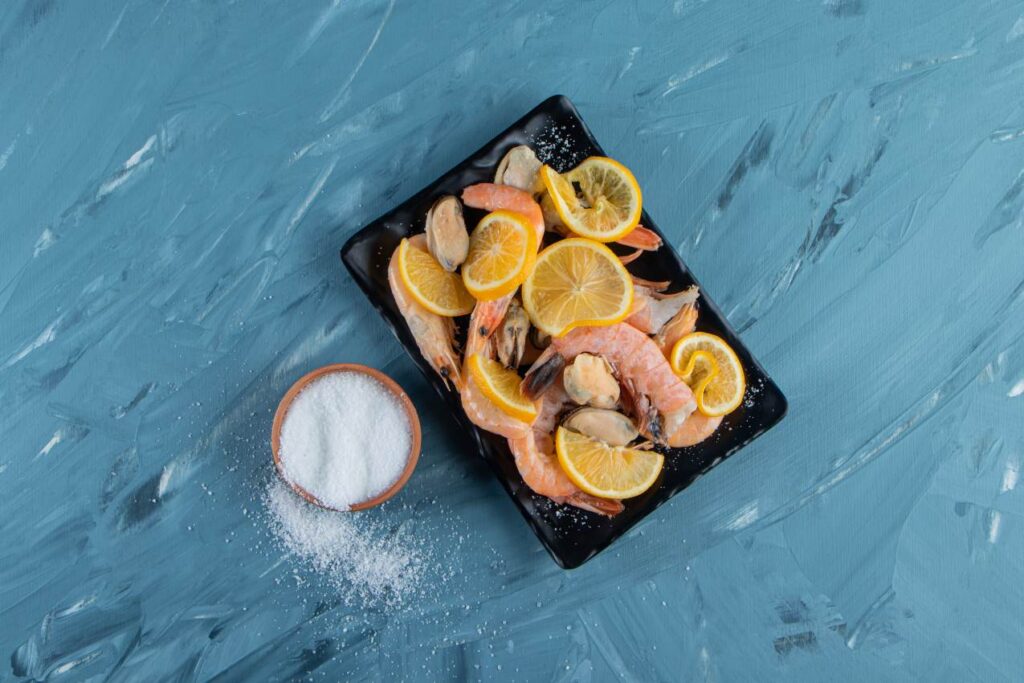
Seafood Cuisine – Why They Are So Popular
Seafood Plates are among the most popular choices in global cuisine, known for their unique flavors, versatility, and impressive nutritional value. From fine dining restaurants to home kitchens, seafood continues to be a favorite for those seeking both taste and health benefits. This widespread appeal makes Popular Seafood Plates a key topic in many culinary guides and menus worldwide.
One of the main reasons for their popularity is their rich nutritional profile. Seafood is an excellent source of high-quality protein, omega-3 fatty acids, vitamins, and minerals that support heart health, brain function, and overall well-being. Compared to heavier meat options, seafood provides a lighter alternative that is easier to digest, making it ideal for a balanced seafood dinner.
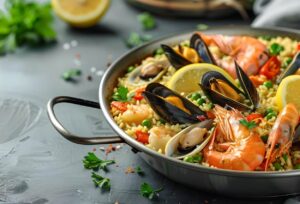
Another important factor is versatility. Seafood can be prepared using a wide range of cooking techniques, including grilling, baking, frying, and steaming. This flexibility allows chefs to create diverse seafood recipes, from simple grilled fish to more complex dishes like paella or seafood pasta.
Additionally, seafood is deeply rooted in many cultures, contributing to the popularity of Famous Seafood Meals across different regions. Mediterranean, Asian, and coastal cuisines all showcase unique flavors and traditions.
Finally, Seafood Meals are often associated with freshness and premium quality, making them a popular choice for special occasions. Their combination of health benefits, flavor, and elegance ensures their lasting popularity in modern cuisine.
Contact us to enjoy a premium seafood experience tailored to your taste.
Seafood Plates – Key Ingredients and Flavor Characteristics
Seafood Meals are defined by their fresh ingredients and carefully balanced flavors, making them a standout category in global cuisine. The quality of ingredients plays a crucial role in achieving the authentic taste that characterizes many Popular Seafood Specialties. Understanding these key components allows you to create meals that highlight the natural essence of seafood.
The most important ingredient, of course, is the seafood itself. Common choices include fish such as salmon, tuna, sea bass, and cod, each offering a different texture and flavor profile. Shellfish like shrimp, lobster, crab, mussels, and clams add richness and variety to many seafood recipes. Freshness is essential, as it directly affects both taste and safety.
In addition to seafood, several ingredients are used to enhance flavor without overpowering it. Olive oil and butter are often used as a base, adding depth and smoothness. Garlic and onions provide an aromatic foundation, while fresh herbs such as parsley, dill, thyme, and basil bring brightness to the dish.
Acidity is another key element. Ingredients like lemon juice, white wine, and vinegar help balance the natural richness of seafood. Spices are typically used in moderation, allowing the main ingredient to remain the focus.
Other common additions include:
- Sea salt and black pepper for seasoning
- Chili flakes for a subtle heat
- Tomatoes or light sauces for added complexity
The combination of these ingredients creates the distinctive flavor profile that makes Famous Seafood Specialties both elegant and satisfying.
Book your private chef experience and discover the perfect balance of flavors in seafood cuisine.
The most iconic seafood recipes
When discussing the most popular seafood, several dishes stand out across different cuisines. These dishes have gained global recognition due to their flavor, simplicity, and cultural significance.
Grilled Salmon – Simple, Healthy, and Flavorful
Grilled salmon is one of the most popular seafood recipes, known for its simplicity, nutritional value, and rich flavor. This dish highlights the natural taste of salmon while using minimal ingredients to enhance its freshness. It is a perfect choice for a light yet satisfying seafood dinner.
To prepare grilled salmon, start by selecting fresh, high-quality fillets. Pat them dry and season with olive oil, salt, pepper, and a squeeze of lemon juice. You can also add herbs such as dill or parsley for extra aroma. Preheat the grill to medium-high heat and cook the salmon skin-side down for about 4–5 minutes. Flip carefully and cook for another 3–4 minutes, depending on thickness.
The key to perfect grilled salmon is not to overcook it. The fish should remain moist and flaky, with a slightly crispy exterior. Grilling enhances the natural oils of the fish, giving it a rich and smoky flavor.

This dish pairs well with roasted vegetables, rice, or a fresh salad. As part of many Popular Seafood Recipes, grilled salmon is both healthy and versatile, making it a favorite for home cooks and professional chefs alike.
Shrimp Scampi – Garlic, Butter, and White Wine
Shrimp scampi is a classic among Famous Seafood Specialties, combining simple ingredients with bold flavors. This dish is known for its rich garlic butter sauce balanced with white wine, making it both elegant and easy to prepare.
Begin by cleaning and deveining fresh shrimp. In a large pan, heat olive oil and butter, then sauté minced garlic until fragrant. Add the shrimp and cook for 2–3 minutes until they turn pink. Pour in white wine and let it simmer briefly to reduce and concentrate the flavors.
Finish the dish with lemon juice, fresh parsley, and a pinch of chili flakes if you prefer a slight kick. The sauce should be light yet flavorful, coating the shrimp perfectly.
Shrimp scampi is often served over pasta, making it a staple in many Italian Pasta Sauces combinations. It can also be enjoyed with crusty bread, which is perfect for soaking up the delicious sauce.
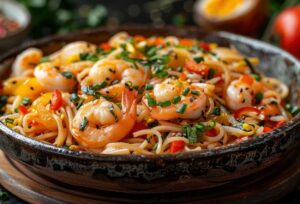
This dish is a great example of how simple ingredients can create a refined seafood dinner experience.
Lobster with Butter Sauce – Luxurious and Rich
Lobster with butter sauce is one of the most luxurious seafood recipes, often associated with fine dining and special occasions. Its rich, delicate flavor and tender texture make it a standout dish among Popular Seafood Cuisine.
To prepare this dish, start by boiling or steaming the lobster until the shell turns bright red. Carefully remove the meat from the shell while keeping it intact. The meat should be firm yet tender, without being overcooked.
The butter sauce is simple but essential. Melt high-quality butter over low heat, then add garlic, lemon juice, and a touch of fresh herbs such as parsley or thyme. Some variations include a splash of white wine for added depth.
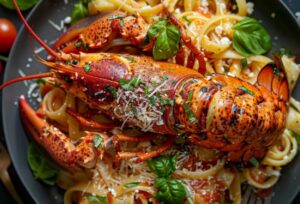
Serve the lobster with the warm butter sauce drizzled over the meat or on the side for dipping. The richness of the butter enhances the natural sweetness of the lobster, creating a perfectly balanced dish.
This elegant recipe is ideal for a premium seafood dinner, offering a refined experience that highlights the best qualities of fresh seafood.
Fish and Chips – Crispy and Comforting
Fish and chips is one of the most iconic Famous Seafood Cuisine, known for its crispy texture and comforting flavors. Originating from the United Kingdom, this dish has become a global favorite.
The key to perfect fish and chips lies in the batter and frying technique. Use firm white fish such as cod or haddock. Prepare a light batter using flour, cold sparkling water, and a pinch of salt. The carbonation helps create a crispy coating.
Dip the fish into the batter and fry in hot oil until golden and crunchy. At the same time, prepare thick-cut fries and fry them until crispy on the outside and soft on the inside.
Serve the fish and chips with tartar sauce, lemon wedges, and a sprinkle of salt. The combination of crispy batter and tender fish creates a satisfying contrast in texture.
As one of the most recognizable seafood recipes, fish and chips remains a comforting and delicious choice for any occasion.
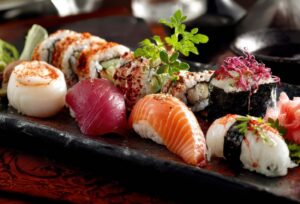
Sushi and Sashimi – Fresh and Minimalist
Sushi and sashimi are among the most refined seafood recipes, known for their simplicity and focus on freshness. These Japanese dishes highlight the natural flavors of high-quality fish without heavy seasoning.
Sashimi consists of thinly sliced raw fish, served without rice. Popular choices include tuna, salmon, and yellowtail. The key is using the freshest possible seafood, as the dish relies entirely on quality and texture.
Sushi, on the other hand, combines vinegared rice with seafood. It can be prepared in different styles, such as nigiri (fish over rice) or rolls (maki). Ingredients like seaweed, avocado, and cucumber are often included for added flavor and texture.
Both sushi and sashimi are typically served with soy sauce, wasabi, and pickled ginger. These condiments enhance the flavor without overpowering the delicate taste of the fish.
These dishes represent the minimalist side of Popular Seafood Cuisine, proving that simplicity and quality can create an exceptional dining experience.
Mediterranean cuisine also offers classics like seafood pasta (frutti di mare) and grilled sea bass, while Spanish paella combines rice with mixed seafood for a hearty meal.
These dishes represent the diversity of seafood cuisine and show how different cultures approach preparation and presentation.
Contact us to experience world-class seafood recipes prepared with precision and creativity.
Seafood Cuisine – Cooking Techniques That Make a Difference
Seafood Cuisine requires precision and attention to detail, as proper cooking techniques can significantly impact flavor, texture, and overall quality. Unlike other proteins, seafood is delicate and cooks quickly, which means even small mistakes can affect the final result. Mastering the right methods is essential for preparing high-quality Popular Seafood Meals.
One of the most important techniques is temperature control. Seafood should generally be cooked over medium heat to ensure even cooking without drying it out. High heat can cause the exterior to overcook while leaving the inside underdone, especially with thicker fish fillets.
Another key factor is cooking time. Most seafood cooks in just a few minutes, so it is crucial to monitor it closely. Fish is done when it becomes opaque and flakes easily with a fork, while shrimp should turn pink and firm. Overcooking is one of the most common mistakes in many seafood recipes, leading to a rubbery or dry texture.
Important tips for cooking seafood include:
- Pat seafood dry before cooking to achieve better searing
- Season lightly to enhance natural flavors
- Use fresh ingredients for best results
- Avoid overcrowding the pan to ensure even cooking
- Let seafood rest briefly after cooking to retain moisture
Different techniques such as grilling, steaming, baking, and sautéing each bring unique characteristics to the dish. By applying these methods correctly, you can elevate your cooking and create perfectly balanced Famous Seafood Gastronomy every time.
Timing is especially important. Most seafood cooks within minutes, making it essential to monitor the process closely.
Seafood Cuisine – How to Choose Fresh Seafood
Seafood Culinary Dishes rely heavily on the quality and freshness of their main ingredients. Choosing fresh seafood is essential not only for achieving the best flavor but also for ensuring safety and proper texture. Whether you are preparing simple meals or more refined Popular Seafood Culinary Dishes, selecting the right ingredients is the first and most important step.
When buying fish, always look for clear, bright eyes and firm flesh. Fresh fish should spring back when pressed and have a mild, ocean-like smell. A strong or sour odor is a clear sign that the fish is no longer fresh. The skin should appear shiny and moist, not dull or dry.

For shellfish such as mussels, clams, and oysters, freshness is equally important. They should be tightly closed or close immediately when tapped. Open shells that do not close indicate that the shellfish is not safe to eat. Shrimp should have a firm texture and a clean scent, without any sliminess.
Key tips for selecting seafood include:
- Check smell – it should be fresh and mild
- Look for firm texture and vibrant appearance
- Avoid discoloration or dryness
- Buy from trusted and reputable sources
- Choose seafood stored on ice or properly refrigerated
If fresh seafood is not available, high-quality frozen options can also be a good alternative when properly handled.
By following these guidelines, you can ensure that your seafood recipes start with the best possible ingredients, resulting in flavorful and safe Famous Seafood Delicacies.
Seafood Gastronomy – Common Mistakes to Avoid
Seafood Cuisine are delicate and require careful preparation, yet many home cooks make simple mistakes that affect taste, texture, and overall quality. Understanding these errors is essential for creating successful Popular Seafood Delicacies and achieving restaurant-level results in your own kitchen.
One of the most common mistakes is overcooking seafood. Because fish and shellfish cook very quickly, even a few extra minutes can result in a dry, rubbery texture. Another frequent issue is using high heat without control, which burns the outside while leaving the inside undercooked.
Seasoning is also an area where mistakes often occur. Many cooks either under-season or over-season seafood. Since seafood has a naturally delicate flavor, it should be enhanced, not overwhelmed. Using too many spices or heavy sauces can mask its natural taste.
Proper preparation is equally important. Seafood should always be patted dry before cooking to ensure a good sear. Cooking wet seafood often leads to steaming instead of browning, which affects both texture and flavor.
Additional mistakes include:
- Not thawing frozen seafood properly, leading to uneven cooking
- Overcrowding the pan, which prevents proper searing
- Using low-quality or old seafood, which affects taste and safety
- Skipping resting time after cooking, causing juices to escape
- Improper storage before cooking, leading to spoilage
Avoiding these mistakes helps preserve the natural quality of seafood and ensures better results in all seafood recipes. With proper attention to detail, you can consistently create well-balanced and flavorful Famous Seafood Delicacies that highlight the best of the ocean’s ingredients.
Seafood Cuisine – Health Benefits and Nutritional Value
Seafood Specialties are widely recognized as one of the healthiest food choices in global cuisine, offering a powerful combination of essential nutrients, high-quality protein, and beneficial fats. Regular consumption of seafood is often recommended by nutrition experts as part of a balanced diet, making Popular Seafood Specialties an important element of healthy eating habits.
One of the main advantages of seafood is its high protein content. Fish and shellfish provide complete proteins that support muscle growth, tissue repair, and overall body function. Unlike many red meats, seafood is typically lower in saturated fat, making it a lighter and more heart-friendly option.
Another major benefit is the presence of omega-3 fatty acids, especially in fatty fish such as salmon, sardines, and mackerel. These healthy fats play a crucial role in supporting cardiovascular health, reducing inflammation, and improving brain function. They are also linked to better cognitive performance and mood regulation.
Seafood is also rich in essential vitamins and minerals, including vitamin D, vitamin B12, iodine, zinc, and selenium. These nutrients help strengthen the immune system, support thyroid function, and maintain healthy energy levels throughout the day.
Key health benefits include:
- Improved heart health and reduced cholesterol levels
- Enhanced brain function and memory support
- Stronger immune system and better metabolism
- High-quality protein for muscle maintenance
- Low-calorie nutrition for weight management
Additionally, seafood is easy to digest and suitable for various dietary needs, making it a versatile choice in many seafood recipes. Its combination of nutrition and flavor explains why Famous Seafood Meals remain a cornerstone of healthy global diets.
FAQ – Most Popular Seafood Specialties Explained
- What are the most popular seafood meals ?
Some of the most popular seafood cuisine include grilled salmon, shrimp scampi, lobster with butter, seafood pasta, paella, and sushi. These dishes are known for their flavor and versatility.
- What is the healthiest seafood to eat?
Salmon, tuna, sardines, and mackerel are considered among the healthiest options due to their high content of omega-3 fatty acids and protein.
- How do you know if seafood is fresh?
Fresh seafood should have a clean, ocean-like smell, firm texture, and bright appearance. Fish eyes should be clear, and shellfish should be closed or close when tapped.
- What is the best way to cook seafood?
The best method depends on the type of seafood. Grilling, steaming, baking, and sautéing are popular techniques that preserve flavor and texture.
- Why is seafood easy to overcook?
Seafood cooks quickly due to its delicate structure. Even a few extra minutes can make it dry or rubbery, so timing is crucial.
- What are common mistakes when preparing seafood cuisine?
Common mistakes include overcooking, using too many spices, not drying seafood before cooking, and using low-quality ingredients.
- Can seafood be reheated?
Yes, but carefully. Reheat gently on low heat to avoid drying it out. Some dishes, like seafood pasta, can lose texture if overheated.
- What sides go well with seafood cuisine?
Common side dishes include vegetables, rice, pasta, salads, and potatoes. Light sides usually complement seafood best.
- Is frozen seafood a good option?
Yes, high-quality frozen seafood can be a great alternative to fresh, especially if it is properly stored and thawed.
- How often should you eat seafood?
It is generally recommended to eat seafood 1–2 times per week to benefit from its nutritional value.
- What is the difference between fish and shellfish?
Fish have backbones and fins, while shellfish include crustaceans (like shrimp and crab) and mollusks (like mussels and clams).
- Are seafood Specialties suitable for special occasions?
Yes, seafood is often associated with fine dining and is a popular choice for celebrations due to its premium quality and elegant presentation.