Did you know there are over 500 types of pasta shapes in the world, each crafted for a specific purpose in our pasta shape guide? Surprisingly, this isn’t just culinary trivia—it’s the secret to authentic Italian cooking.
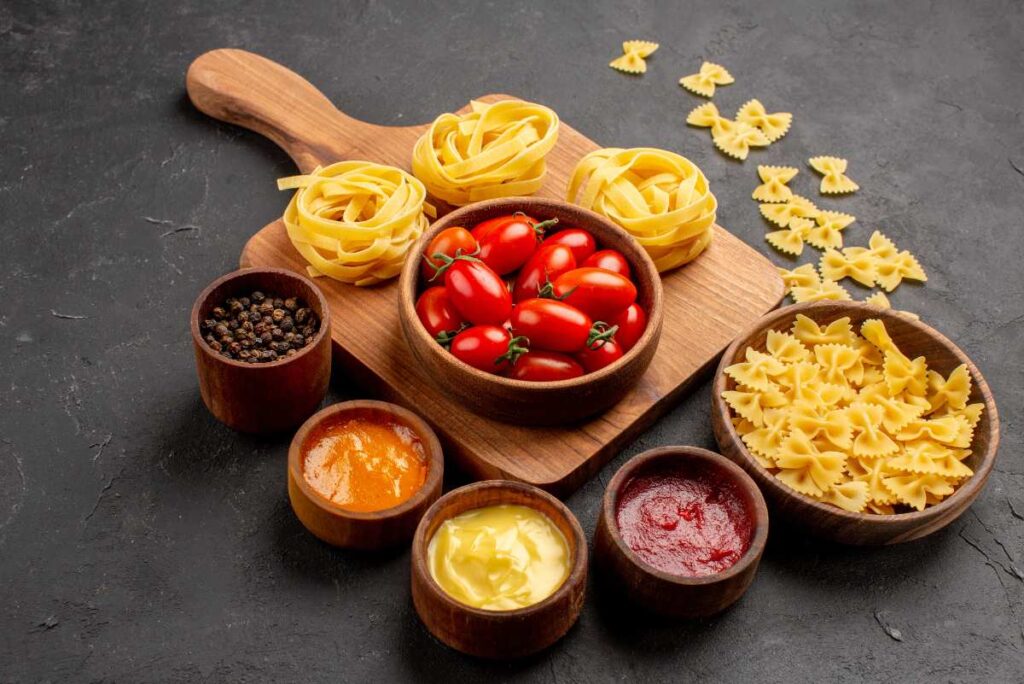
When we prepare pasta at home, most of us grab whatever shape is in our pantry and pair it with any sauce. However, in Italy, pasta isn’t merely food—it’s culture, identity, and art. The various types of pasta are designed to hold different types of pasta sauce in unique ways. Some pasta shapes grip hearty sauces better than others, while lighter Italian sauces for pasta call for more delicate noodles.
In fact, beyond just looking pretty on your plate, the texture and design of pasta serve practical functions. Bronze-die pasta, for instance, has a rough texture that absorbs sauce beautifully, while pasta dried slowly at low temperatures resists breaking during cooking.
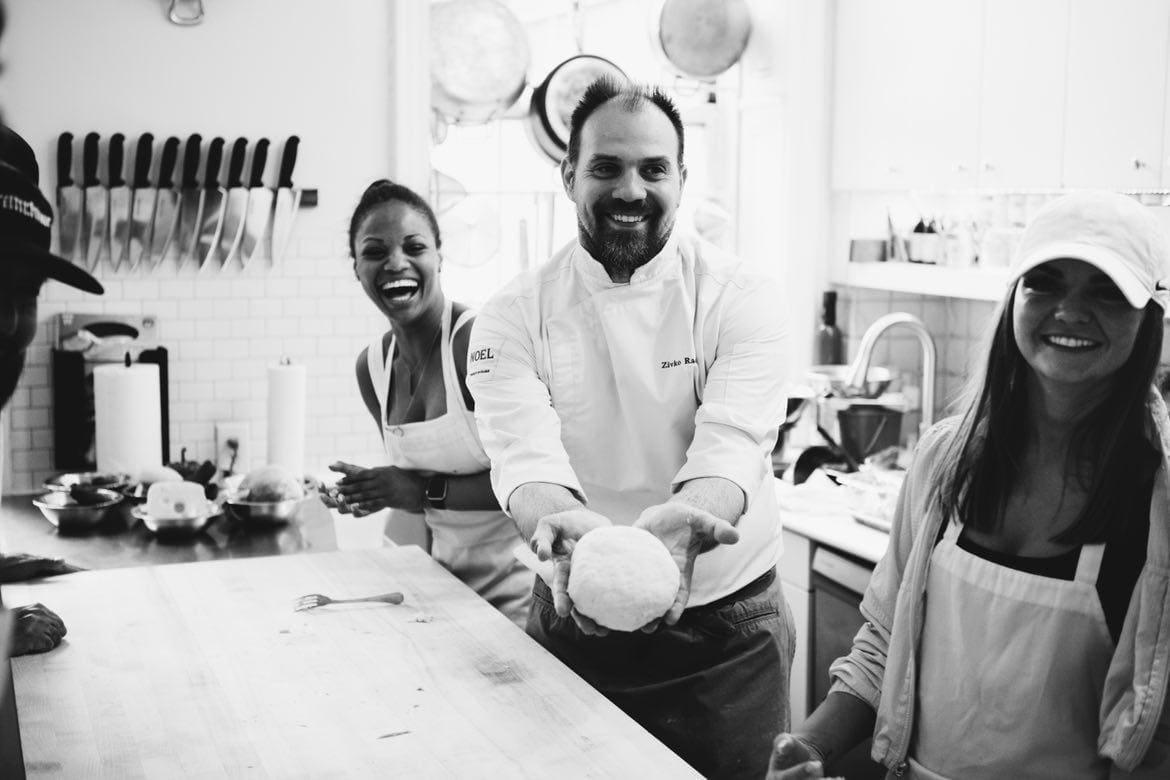
At Loza NYC, these details aren’t just theory. Chef Živko Radojčić, founder of Loza and a Belgrade-born private chef with Balkan and Mediterranean roots, has refined his craft in top New York kitchens and now uses this knowledge to design fully customized menus and hands-on cooking classes for guests across NYC.
In this guide, we’ll unlock the secrets Italian chefs understand about these pairings—traditions that represent not just rules, but a respect for centuries of culinary heritage. And if you’d like to take these ideas from theory to practice, you can explore our pasta making class in NYC or Italian cooking class to master shape-and-sauce pairing alongside Chef Živko in person.
The Science of Pasta and Sauce Pairing
The perfect pasta dish isn’t just about delicious ingredients – it’s about understanding the fundamental principles of how pasta and sauce interact with each other. At the heart of Italian cooking lies a deep understanding of pasta physics that few home cooks fully grasp.
Texture: smooth vs. ridged pasta
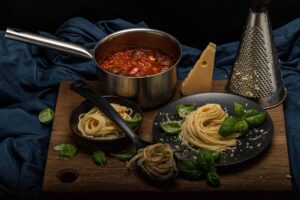
Pasta texture creates the foundation for sauce adhesion. Smooth-surfaced pasta works wonderfully with oil-based or buttery emulsions that need contact across every strand. Conversely, ridged pastas like penne rigate or rigatoni grip sauce more effectively. This difference isn’t merely esthetic – it’s functional. Bronze-die pastas (higher-quality varieties) feature a rougher surface that helps noodles grab onto and absorb whatever sauce you choose. These microscopic ridges increase friction and capillary forces, holding emulsified sauces better than smooth surfaces.
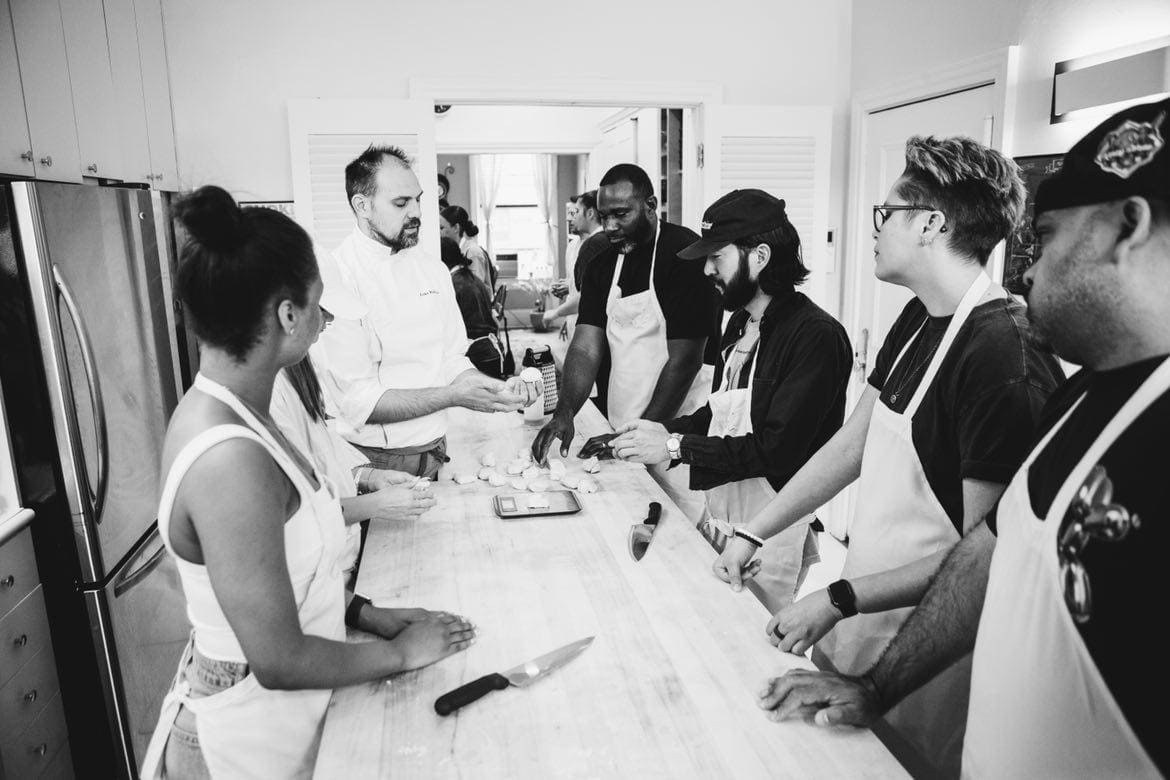
In our Pasta from Scratch and pasta making classes, guests quickly see this in action: the same sauce behaves completely differently when tossed with a smooth spaghetti vs. a ridged, short cut like rigatoni.
Weight: matching sauce heaviness to pasta strength
The golden rule of pasta pairing is balance – matching pasta strength with sauce weight. Delicate sauces need delicate pasta; robust sauces require pasta that can stand up to them. For example, big, hearty noodles like tagliatelle are substantial enough to support a robust Bolognese, whereas thin, delicate strands like capellini pair perfectly with barely-there sauces that would overwhelm lighter pasta. Essentially, this principle ensures neither element dominates the eating experience.
When Chef Živko develops custom menus for intimate dinners and private events, he often starts exactly here—choosing a pasta shape that can physically carry the weight of the sauce and the occasion, whether it’s a simple family-style meal or a refined tasting menu.
Surface area: how shape affects sauce grip
Surface area dramatically affects how pasta holds sauce. Twisted shapes like fusilli and cavatappi provide abundant surface area through their grooves and curves, ensuring flavors stick rather than sliding off. Similarly, tube-shaped pastas physically trap bits of meat, beans, or vegetables, creating little pockets where sauce and chunks can settle. Furthermore, pasta with hollows such as shells or orecchiette scoop up chunky vegetables and oil-based sauces, giving you a more balanced and flavorful bite every time.
Understanding these principles transforms pasta from merely filling to extraordinary – no longer will you wonder why your homemade carbonara works better with one shape than another or why restaurant pasta always seems to hold sauce so perfectly. If you’d like to experience these details up close, our pasta making class in New York walks you through how different shapes behave in the pan and on the plate, step by step.
Classic Pairings Every Italian Chef Swears By
In Italian cuisine, certain pasta-sauce combinations have stood the test of time because they simply work better together. These pairings aren’t arbitrary—they’re based on centuries of culinary wisdom where specific pasta shapes complement particular sauces.
Spaghetti with carbonara or cacio e pepe
These two Roman classics showcase how long, round pasta holds creamy sauces. Carbonara, with its origins possibly linked to Italian coal miners (carbonari), combines egg yolks, pecorino cheese, guanciale, and pepper—notably, cream is absolutely forbidden in traditional recipes. The cylindrical spaghetti provides just enough surface area for the silky sauce to cling without overwhelming the pasta.
Cacio e pepe, even simpler with just cheese, pepper, and pasta, requires special technique: mixing finely grated cheese with pasta water and cornstarch prevents the dreaded “ball effect” where cheese forms lumps instead of a smooth sauce.
Dishes like these are often part of our Italian Cooking Class in NYC, where Chef Živko shows you how subtle changes in shape, water content, and cheese emulsification turn a simple pasta into a restaurant-level dish.
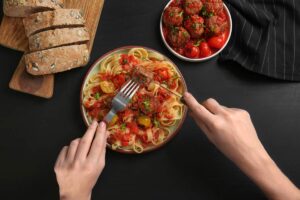
Tagliatelle with Bolognese
Unlike international misconceptions, Bolognese sauce is traditionally paired with tagliatelle—not spaghetti. This classic ragu, invented in the late 18th century by Pope Pius XII’s chef, combines beef or pork, pancetta, vegetables, tomato, wine, and a splash of milk. Tagliatelle’s flat, wide ribbons (about ¼ inch wide) provide ideal surface area to support this hearty sauce. Additionally, tagliatelle’s porous texture absorbs the rich flavors better than round spaghetti ever could.
If you’re dreaming about mastering sauces like this, you can explore our cooking classes in NYC or request a custom Italian menu through our private chef service for a fully hosted dinner where everything—from fresh pasta to plating—is handled for you.
Linguine with clam sauce
This beloved coastal Italian dish pairs linguine with simple yet precise ingredients: clams, garlic, oil, chili pepper, and white wine. The slightly flattened linguine shape provides just enough surface to capture the delicate, briny sauce. Undoubtedly, the secret to perfect execution lies in proper cooking time—just until the clams open (5–8 minutes for Littlenecks, 3–5 for Manila clams).
Penne with arrabbiata
Arrabbiata (“angry” in Italian) sauce combines tomatoes, pecorino, olive oil, and significant chili pepper. The tubular penne with its ridged texture and hollow center effectively captures this spicy sauce, allowing heat to distribute evenly throughout each bite.
Regional Traditions and Cultural Rules
Italy’s pasta shape guide isn’t merely a culinary preference—it’s geography, history, and identity kneaded into each distinctive form. Upon Italy’s unification in the mid-19th century, the distinct flavors of different geographical regions became what we now recognize as Italian cuisine.
Why certain shapes are tied to specific regions
The pasta map of Italy follows distinct geographical patterns based primarily on available ingredients. Northern regions typically create pasta with soft wheat flour and eggs, yielding silky, golden sheets. Meanwhile, southern Italy relies on protein-rich durum wheat (semolina) and water, requiring no eggs. This north-south divide explains why egg tagliatelle dominates Emilia-Romagna, whereas water-based orecchiette flourishes in Puglia.
At Loza NYC, you’ll often see this north–south contrast reflected in menu design: buttery, egg-rich pasta dough for certain private dinners and more rustic, semolina-based shapes for others—especially when Chef Živko draws on his Mediterranean background and Balkan heritage to bridge Italian techniques with flavors from his own upbringing.
Examples: Rome, Bologna, Naples, Sicily
Each region fiercely defends its signature pasta shapes and pairings:
- Rome celebrates strozzapreti (“priest stranglers”)—twisted pasta best served with pesto or light sauces.
- Bologna claims tagliatelle, the authentic vehicle for Bolognese ragù. Ask any native Bolognese about serving this sauce with spaghetti, and you’ll receive a resounding “No!”
- Naples developed penne, whose angled cuts perfectly hold rich tomato sauces.
- Sicily treasures busiate (chubby, elongated helixes) and anelletti (little rings)—shapes virtually impossible to find outside the island. Sicily’s cuisine also incorporates pasta into distinctive regional dishes rarely found on standard Italian restaurant menus.
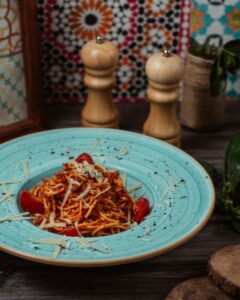
For guests who love traveling through food, our Balkan Tour and other themed cooking classes do something similar—using pasta and regional dishes to tell stories about geography, culture, and family traditions around the table.
How tradition influences modern pasta dishes
Throughout Italy, pasta-sauce pairings follow centuries of regional tradition. These aren’t arbitrary rules—they represent cultural identity and respect for culinary heritage. Romans insist carbonara belongs exclusively with spaghetti, rigatoni, or mezze maniche. Likewise, Pugliese cooks pair orecchiette specifically with broccoli rabe, sausage, and anchovy oil.
Even as modern chefs experiment with new ingredients, traditional shapes remain sacred. Contemporary Italian cooking still honors these regional distinctions, recognizing that pasta shapes were thoughtfully designed to complement local ingredients. Hence, proper pairing isn’t merely esthetic—it’s about respecting centuries of culinary wisdom passed from generation to generation.
This philosophy is central to Loza NYC as well: whether Chef Živko is preparing a private multi-course menu or leading a group class, he blends modern technique (sharpened in Michelin-starred New York restaurants) with a deep respect for classic forms and regional rules.
Creative Twists and Modern Pairing Tips
Beyond traditional pairings, modern pasta innovation offers exciting possibilities for home cooks willing to explore creative territory.
Using flavored pasta like squid ink or truffle
Squid ink pasta delivers more than striking black appearance—it offers subtle briny flavor that perfectly complements seafood-based sauces. The oceanic undertones enhance garlic white wine sauces or lemon cream preparations. Fresh squid ink pasta generally provides stronger flavor than dried varieties.
Truffle pasta brings earthy depth to dishes. Chefs advise against overwhelming truffle’s natural umami with heavy sauces—opt for butter-based or light cream sauces instead. The delicate balance between truffle’s intensity and complementary ingredients creates memorable meals.
In a private setting, such as a romantic dinner or small celebration, these special shapes and flavors are ideal for a bespoke menu. That’s why many hosts choose Loza’s private chef service in NYC—you can design a one-of-a-kind menu together with Chef Živko, including customized pasta courses matched to your guests and occasion.
Chef techniques: finishing pasta in sauce
Professional kitchens rarely serve pasta and sauce separately. Instead, they cook pasta just shy of al dente, then finish it directly in hot sauce. This critical technique allows pasta to absorb flavors completely while creating silky textures through emulsification. Reserve starchy pasta water—it’s your secret weapon for binding sauce and pasta together.
If you join one of our hands-on cooking classes in New York, you’ll practice this step over and over: moving pasta from pot to pan, adjusting the emulsion with reserved water, and tasting the sauce as it transforms from separate elements into a glossy, unified coating.
Balancing acidity, creaminess, and seasoning
Restaurant-quality pasta requires thoughtful flavor layering. Chefs balance tomato-based sauces with butter to temper acidity, whereas cream sauces benefit from lemon zest brightness. Seasoning occurs at multiple stages—the pasta water, the sauce, and final dish.
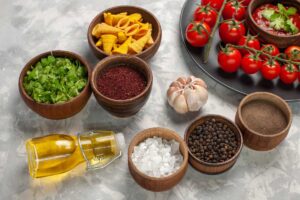
When to break the rules and experiment
One-pot pasta methods, fusion ingredients, and unconventional shape-sauce combinations can yield delicious results. Ultimately, understanding traditional rules provides foundation for meaningful innovation.
For private events and celebrations, this is where things get especially fun: you might pair a classic Italian shape with a sauce inspired by Balkan, French, or Spanish cuisine, echoing the international range of Loza’s group cooking classes and private events.
Pasta shape selection remains far more than an esthetic choice for your dinner table. Throughout this guide, we’ve seen how the marriage between pasta and sauce represents centuries of Italian culinary wisdom. The science behind texture, weight, and surface area fundamentally transforms ordinary meals into extraordinary dining experiences.
When we choose ridged penne for arrabbiata or tagliatelle for Bolognese, we honor traditions that Italian families have preserved for generations. These pairings didn’t emerge by accident but rather through careful observation of how different shapes capture and complement specific sauce types.
Regional diversity across Italy has certainly shaped these traditions. Each area proudly defends its signature combinations—Rome with its carbonara-coated spaghetti, Bologna with its ribbon-like tagliatelle, Naples with angular penne. These distinctions aren’t merely rules but rather expressions of cultural identity and geographical history.
Creative experimentation still has its place, though. After all, once you understand why squid ink pasta works beautifully with seafood or why finishing pasta in the sauce creates restaurant-quality results, you can make informed decisions about when to follow tradition and when to chart your own course.
Next time you prepare pasta at home, consider the perfect shape for your sauce. This simple adjustment will undoubtedly elevate your cooking from basic sustenance to an authentic Italian experience. The difference between good pasta and great pasta often comes down to this overlooked detail—the harmony between shape and sauce that Italian chefs have always understood.
FAQs
Q1. How do different pasta shapes affect sauce pairing?
Different pasta shapes are designed to hold sauces in unique ways. Ridged pastas like penne rigate grip sauce more effectively, while smooth pastas work well with oil-based or buttery sauces. The shape’s surface area, texture, and weight all play a role in how well it pairs with different sauce types. These are exactly the principles we explore in our pasta classes.
Q2. What is the most popular pasta shape in Italy?
Spaghetti and penne are the most beloved pasta shapes in Italy, with spaghetti ranking as the top favorite among Italians. These shapes are versatile and pair well with a variety of traditional Italian sauces.
Q3. Which sauce is considered Italy’s favorite?
Carbonara sauce is widely regarded as one of Italy’s favorite pasta sauces, particularly in Rome. This classic sauce, made with egg yolks, pecorino cheese, guanciale, and pepper, is a cornerstone of Italian cuisine and is loved both in Italy and around the world.
Q4. What pasta shape works best for thick, chunky sauces?
Pasta shapes with hollows or twists, such as fusilli, cavatappi, or shells, work best for thick, chunky sauces. These shapes provide ample surface area and pockets to trap sauce, vegetables, and meat, ensuring a flavorful bite every time.
Q5. Why is understanding regional pasta traditions important?
Understanding regional pasta traditions is crucial because it reflects centuries of culinary wisdom and cultural identity. Each region in Italy has its own signature pasta shapes and pairings based on local ingredients and history. Respecting these traditions allows for a more authentic Italian cooking experience and a deeper appreciation of the cuisine’s diversity.
Q6. How can I practice these pasta pairing principles in NYC?
If you’re in New York City (or visiting), you can put everything from this guide into practice by joining Loza’s cooking classes or booking a private chef experience with Chef Živko—where every course is built around the perfect match between shape, sauce, and occasion.