
Perfect Steak: Professional Techniques for Mastering the Sear is the ultimate guide for anyone who wants to achieve restaurant-quality results when preparing steak at home or refining professional cooking skills. A perfectly cooked steak is not only about choosing premium meat but also understanding heat control, seasoning, timing, and proper searing techniques. From selecting the right cut to mastering the ideal steak temperature, this guide explores the methods chefs use to create a beautifully caramelized crust while keeping the inside tender, juicy, and full of flavor.
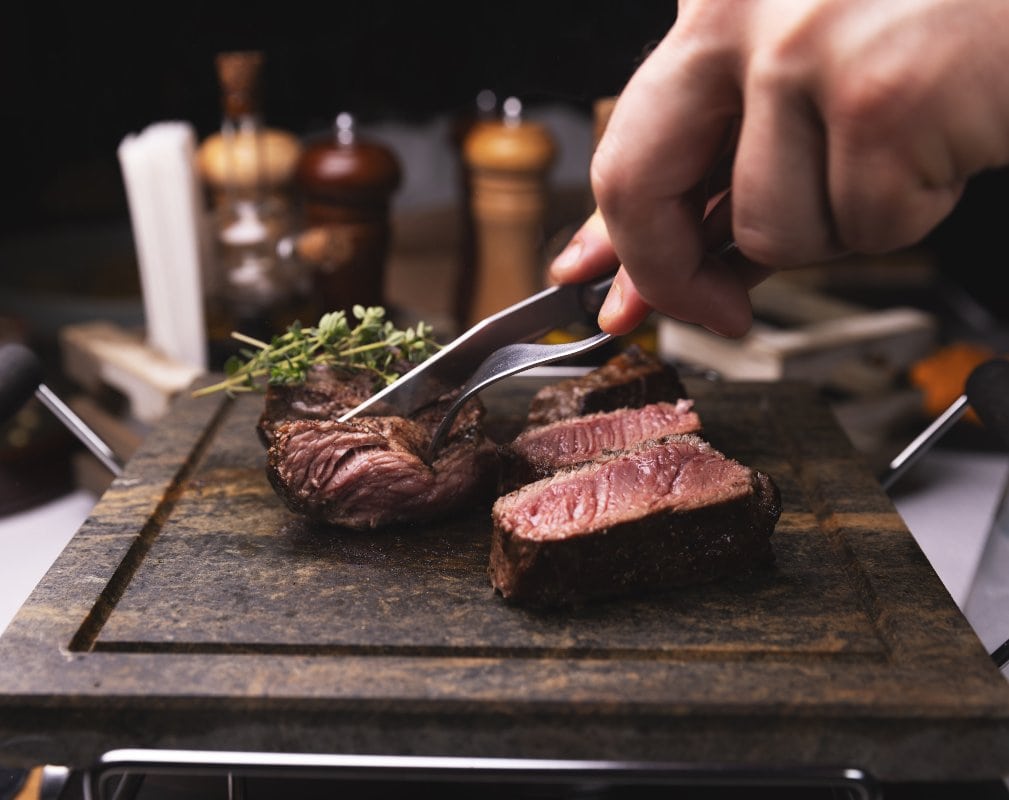
Whether you prefer a classic rib eye steak, a delicate fillet steak, a flavorful sirloin steak, or a premium Wagyu ribeye, understanding the fundamentals of steak preparation will help you elevate every meal.
Perfect Steak: Professional Techniques for Mastering the Sear and Choosing the Right Cut of Meat
Creating a truly memorable steak begins long before the cooking process. The foundation of every exceptional dish is the quality of the meat itself. Professional chefs understand that different cuts have unique textures, fat distribution, and flavor profiles, which means each steak requires a slightly different approach.
Choosing the right cut depends on the experience you want to create. Some cuts are naturally richer and more indulgent, while others offer a stronger beef flavor with a firmer texture.
The most popular premium steak cuts include:
- Rib Eye Steak – Known for its rich marbling, tenderness, and deep beef flavor. The internal fat melts during cooking, creating an exceptionally juicy steak.
- Fillet Steak – One of the most tender cuts available, valued for its delicate texture and refined taste.
- Sirloin Steak – A balanced option that combines great flavor with a slightly firmer bite.
- Rump Steak – A flavorful cut that benefits from careful preparation to maintain tenderness.
- Wagyu Ribeye – A luxury steak recognized worldwide for its exceptional marbling and buttery texture.
The amount of marbling, the aging process, and the quality of the beef all influence the final result. Premium restaurants often choose dry-aged or specially selected cuts because aging enhances the natural flavors and creates a more complex eating experience.
However, even the highest-quality steak can lose its potential if it is prepared incorrectly. Professional cooking is about respecting the ingredient and using techniques that highlight its natural characteristics.
Preparing Your Steak Before Cooking
Before you begin cooking, preparation plays a crucial role in achieving a perfect result. One of the most common mistakes people make is placing a cold steak directly onto a hot cooking surface.
Allowing the steak to rest at room temperature before cooking helps create a more even cooking process. When the meat starts closer to the final cooking temperature, the outside and inside develop more consistently.
Another important step is drying the surface of the steak. Moisture prevents proper browning and can interfere with the development of a flavorful crust.
Before cooking:
- Remove excess moisture with a paper towel.
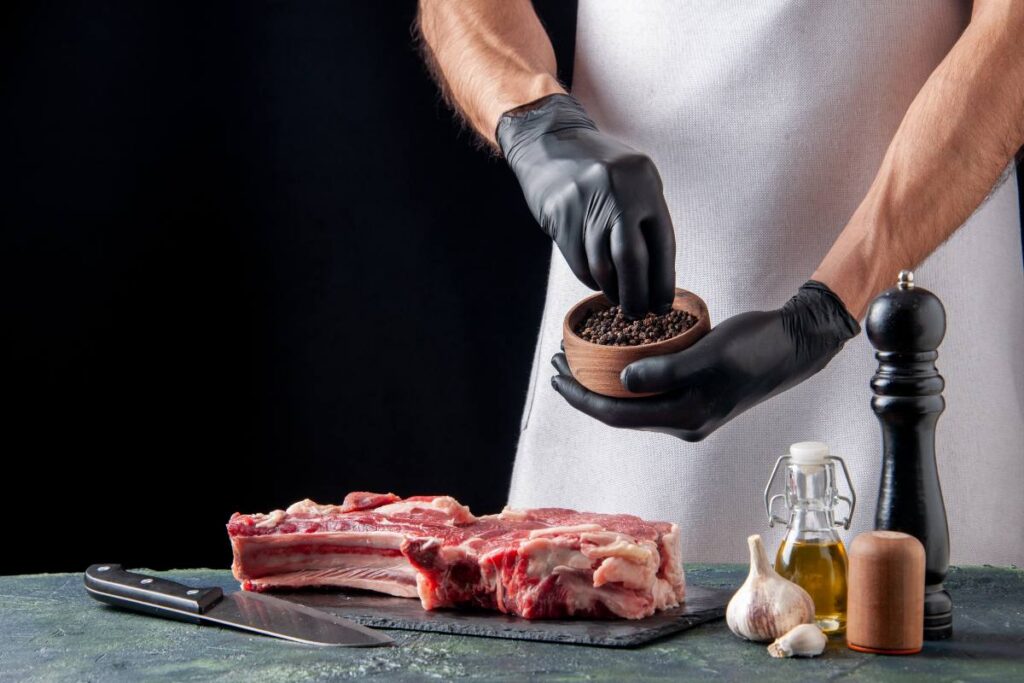
- Season generously with salt before cooking.
- Allow seasoning time to enhance the natural flavor of the meat.
- Prepare your cooking surface until it is fully heated.
- The goal is to create the ideal environment for a powerful sear.
A professional-quality steak depends on the relationship between heat, timing, and technique. Too little heat will create a pale surface without deep flavor, while excessive heat without control can burn the exterior before the inside reaches the desired doneness.
The Science Behind a Perfect Sear and How to Sear Steaks Like a Professional
One of the defining characteristics of a premium steak is the beautifully browned crust that develops on the outside. This process is known as searing, and it is one of the most important techniques in professional steak preparation.
When chefs sear steaks, they are creating a reaction known as the Maillard reaction. This natural process occurs when proteins and sugars on the surface of the meat react under high heat, producing hundreds of new flavor compounds.
This is what creates:
- A deep golden-brown crust
- Rich roasted aromas
- A more complex flavor profile
- The signature restaurant-style steak experience
To achieve a professional sear, several factors must work together:
High Heat Is Essential
The cooking surface must be extremely hot before the steak touches the pan or grill. A properly heated cast-iron skillet is often preferred because it maintains consistent temperature and distributes heat effectively.
Avoid Moving the Steak Too Often
A common mistake is constantly flipping or moving the steak. The meat needs direct contact with the hot surface to develop a strong crust.
Do Not Overcrowd the Cooking Surface
Too many steaks in one pan reduce the temperature and create steam instead of a proper sear.
Choose the Right Cooking Fat
Oils with high smoke points, such as avocado oil or refined vegetable oils, are often preferred because they can withstand higher temperatures.
Once the crust has developed, the steak can continue cooking until it reaches the desired internal temperature.
Steak Temperature Guide: Understanding Doneness for the Perfect Steak
Mastering the ideal steak temperature is one of the most important skills when learning how to cook steak professionally. While quality ingredients and proper searing techniques create the foundation, internal temperature determines the final texture, juiciness, and overall dining experience.
Professional chefs rely on precise temperature control rather than guessing based only on appearance. Using a meat thermometer allows you to achieve consistent results and prepare every steak exactly according to your preference.
Different levels of doneness create different textures and flavors:
Rare Steak
A rare steak is cooked briefly at high heat, creating a browned exterior while maintaining a deep red and very tender center.
Approximate internal temperature:
120–125°F (49–52°C)
Characteristics:
- Very soft texture
- Maximum moisture retention
- Strong natural beef flavor
Medium Rare Steak
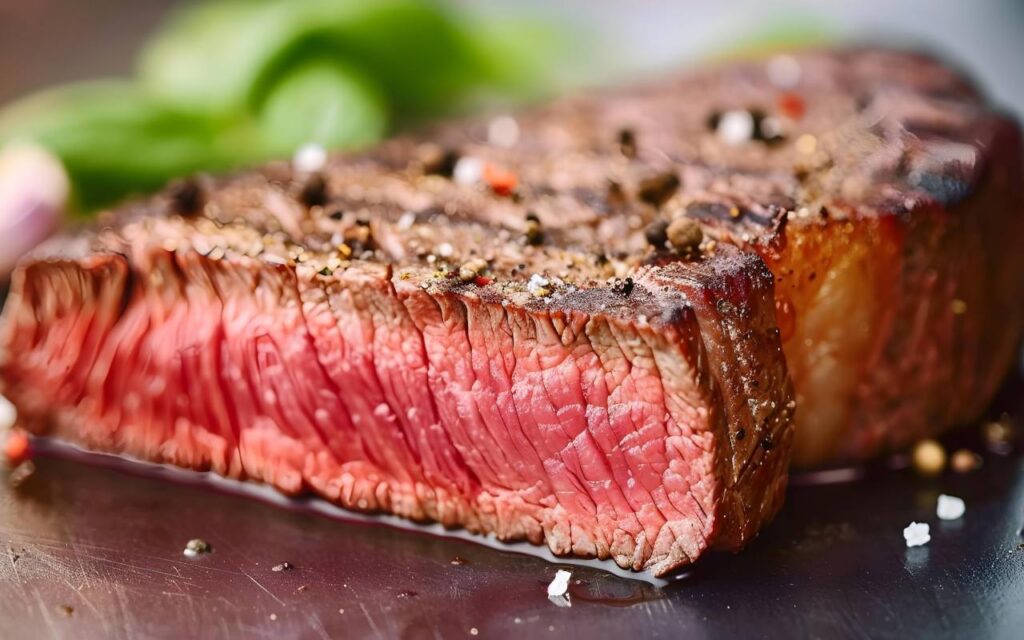
Medium rare is often considered the ideal level for premium cuts such as rib eye steak, Wagyu ribeye, and fillet steak.
Approximate internal temperature:
130–135°F (54–57°C)
Characteristics:
- Warm red center
- Tender texture
- Balanced juiciness
- Rich flavor development
Medium Steak
Medium provides a slightly firmer texture while maintaining good moisture.
Approximate internal temperature:
140–145°F (60–63°C)
Characteristics:
- Pink center
- More developed texture
- Slightly reduced moisture compared to medium rare
Medium Well and Well Done
Higher cooking temperatures create a firmer texture and reduce the amount of natural juices in the meat.
These levels may be preferred by some guests, but premium steaks are generally recommended at lower temperatures to preserve tenderness and flavor.
Pan Seared Steak Techniques for Restaurant-Quality Results
A Pan Seared Steak is one of the most classic methods used by chefs around the world. This technique creates a powerful crust while allowing precise control over the cooking process.
A cast-iron skillet is often considered one of the best tools because it maintains high heat and creates excellent contact with the meat.
The professional process includes several key steps.
Step 1: Prepare the Steak
Before placing the steak into the pan:
- Pat the surface completely dry.
- Season with salt and freshly ground pepper.
- Allow the steak to reach room temperature.
Drying the surface is essential because excess moisture prevents proper browning.
Step 2: Heat the Pan Properly
The pan should be hot before adding the steak. A properly heated surface immediately begins the searing process and creates the desired crust.
Add a small amount of high-temperature cooking oil and carefully place the steak into the pan.
Step 3: Create the Crust
Avoid moving the steak during the first stage of cooking. The contact between the meat and the hot surface allows the Maillard reaction to develop.
Once a deep brown crust forms, flip the steak and repeat the process on the other side.
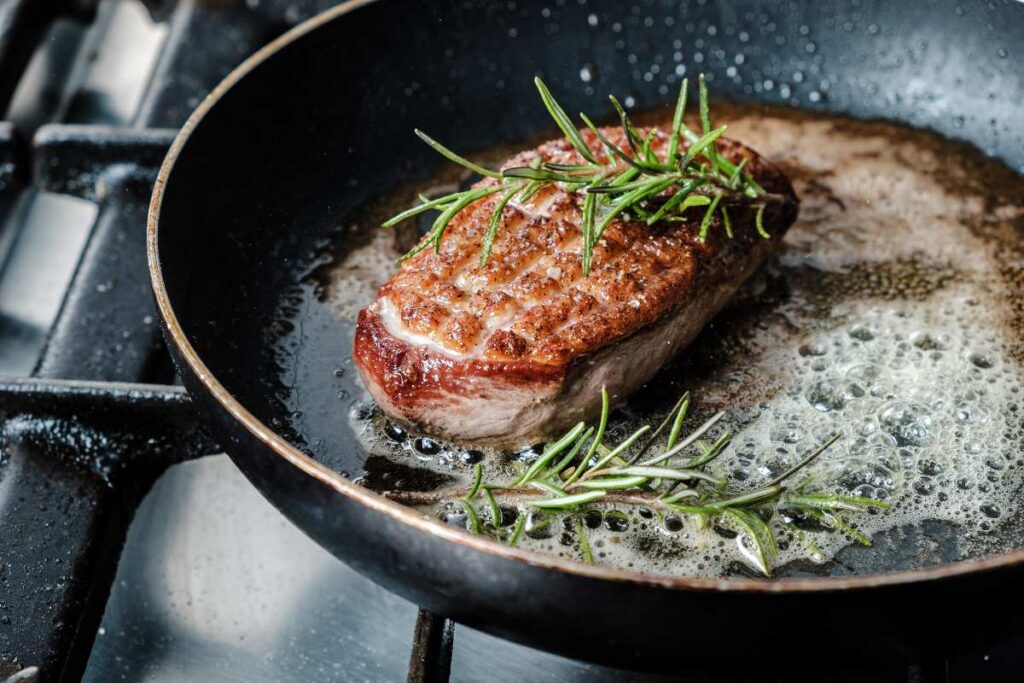
Step 4: Add Aromatics
Many chefs finish a steak by adding:
- Butter
- Garlic
- Fresh herbs such as rosemary or thyme
Basting the steak with infused butter enhances aroma and adds another layer of flavor.
Steak Recipes and Flavor Pairings Used by Professional Chefs
A great steak does not require complicated ingredients. The best steak recipes focus on enhancing the natural qualities of the meat rather than hiding them.
Classic professional combinations include:
Classic Herb Butter Steak
A simple finishing butter made with:
- Unsalted butter
- Garlic
- Rosemary
- Thyme
- Black pepper
creates additional richness and aroma.
Peppercorn Steak
A peppercorn sauce adds:
- Warm spice notes
- Creamy texture
- Additional depth of flavor
This pairing works particularly well with tender cuts such as fillet steak.
Mediterranean-Inspired Steak
Fresh ingredients can create a lighter style of steak preparation:
- Olive oil
- Fresh herbs
- Seasonal vegetables
- Roasted potatoes
This approach reflects the philosophy of many modern chefs who focus on balance and quality ingredients.
Premium Wagyu Preparation
A Wagyu ribeye requires minimal seasoning because the natural marbling creates an intense flavor experience.
Often, only:
- Sea salt
- Fresh pepper
- Simple finishing elements
are needed to highlight the quality of the meat.
Common Mistakes That Prevent the Perfect Steak
Even high-quality meat can disappoint when basic preparation principles are ignored. Many steak mistakes happen because of incorrect temperature control, poor timing, or rushing the process.
Common mistakes include:
Starting With a Cold Steak
Cooking a steak directly from the refrigerator often creates uneven results. The outside may become overcooked before the center reaches the desired temperature.
Using Low Heat
A weak cooking temperature prevents proper searing and creates a pale surface instead of a flavorful crust.
Cutting Immediately After Cooking
Skipping the resting period causes valuable juices to escape, resulting in a drier steak.
Overcomplicating Seasoning
Premium steak does not need excessive seasoning. Too many strong flavors can overpower the natural taste of quality beef.
The best results come from respecting the ingredient and applying precise techniques.
FQA
- What is the secret to cooking the perfect steak?
The secret to cooking the perfect steak is combining high-quality meat, proper preparation, precise temperature control, and the right searing technique. Allowing the steak to reach room temperature, drying the surface before cooking, using high heat, and resting the meat afterward are essential steps for achieving a juicy steak with a flavorful crust.
- What is the best steak temperature for medium rare?
The ideal steak temperature for medium rare is approximately 130–135°F (54–57°C). At this temperature, the steak maintains a warm pink center, excellent tenderness, and maximum juiciness while developing a rich flavor.
- How do you get a perfect sear on a steak?
To achieve a perfect sear, the steak surface must be completely dry, and the pan or grill must be properly heated before cooking. Avoid moving the steak too often and allow enough time for a golden-brown crust to form through the Maillard reaction.
- Which steak cut is best for a juicy steak?
Several cuts can create an excellent juicy steak, depending on your preference. Rib eye steak is known for its rich marbling and deep flavor, while Wagyu ribeye offers an exceptionally tender and buttery texture. Fillet steak is preferred for tenderness, while sirloin steak provides a balanced beef flavor.
- What is the best method to cook steak at home?
The best cooking method depends on the steak cut and desired result. Popular professional techniques include Pan Seared Steak, grilling steak, and Sous Vide Steak preparation. Each method can deliver excellent results when combined with proper temperature control and finishing techniques.
- How long should a steak rest after cooking?
A steak should typically rest for 5–10 minutes after cooking. This allows the natural juices to redistribute throughout the meat, improving tenderness, moisture, and overall flavor.
- Is sous vide steak better than traditional cooking methods?
Sous Vide Steak offers exceptional precision because it allows the steak to cook evenly at a controlled temperature. However, many chefs combine sous vide cooking with a final high-temperature sear to achieve both perfect doneness and a flavorful crust.
- What is the best oil for searing steak?
High smoke point oils such as avocado oil, refined canola oil, or grapeseed oil are ideal for searing steak. These oils can withstand high temperatures without burning, helping create a flavorful crust while preserving the natural taste of the meat.
What is the difference between rib eye steak and fillet steak?
The main difference is the balance between flavor and tenderness. Rib eye steak contains more marbling, which creates a richer and juicier eating experience. Fillet steak is leaner but is considered one of the most tender cuts of beef.
- Can you prepare steak in advance for meal planning?
Yes, Steak Meal Prep can be a practical way to enjoy quality protein throughout the week. Proper storage and gentle reheating methods help maintain texture and flavor, although freshly cooked steak generally provides the best experience.
- What are the most common mistakes when cooking steak?
Common mistakes include cooking cold steak directly from the refrigerator, using insufficient heat, overcooking the meat, cutting into the steak immediately after cooking, and adding too many seasonings that overpower the natural flavor of the beef. Proper preparation and patience are key to achieving professional results.