Plating Techniques are one of the most powerful ways to transform a simple home-cooked meal into a memorable dining experience. While professional chefs spend years refining their culinary skills, many of the principles behind exceptional food presentation can be learned and applied in any home kitchen. The appearance of a dish influences first impressions, creates anticipation, and enhances the overall enjoyment of a meal.
In this guide, you will discover the essential principles of food plating, learn how professional chefs arrange ingredients, explore popular plating styles, and understand which tools can help elevate your presentation. Whether you are hosting a dinner party, preparing a family meal, or simply looking to improve your cooking skills, these techniques will help you create dishes that look as impressive as they taste.
Plating Techniques and the Art of Professional Food Presentation
Great food begins with quality ingredients and proper cooking, but presentation is what turns a meal into an experience. Professional chefs understand that guests eat with their eyes first. Before a single bite is taken, the visual appearance of a dish creates expectations and influences perception.
Modern food presentation is based on the idea that every component on the plate should have a purpose. The goal is not to overcrowd the plate but to create harmony between colors, textures, shapes, and portions. This approach allows the food itself to remain the focal point.
A successful plating technique balances aesthetics and functionality. Guests should immediately understand how to approach the dish while appreciating its visual appeal. The best presentations feel effortless, even though they are carefully planned.
Professional kitchens often focus on:
- Visual balance
- Color contrast
- Texture variation
- Proper portioning
- Clean presentation
When these elements work together, a dish appears polished and sophisticated. Even simple ingredients can look luxurious when arranged thoughtfully.
For home cooks, mastering plating is often easier than mastering complex recipes. Small adjustments in presentation can dramatically improve the perceived quality of a meal without changing the ingredients themselves.
Key Principles of Plating Every Home Cook Should Know
Understanding the key principles of plating provides a foundation for creating restaurant-quality dishes at home.
One of the most important principles of food plating is focus. Every plate should have a clear focal point, usually the main protein or central ingredient. Supporting elements should complement rather than compete with it.
Another critical principle is balance. This applies not only to flavor but also to visual composition. Professional chefs often think in terms of symmetry, asymmetry, and spacing when designing a plate.
Important plating principles include:
- Creating a focal point
- Using negative space
- Building height and dimension
- Maintaining portion balance
- Using contrasting colors
These principles work together to create a plate that feels intentional, balanced, and visually appealing. A strong focal point immediately draws attention to the main ingredient, while negative space prevents the presentation from appearing crowded. Building height and dimension adds depth, making the dish look more dynamic and professional. Maintaining portion balance ensures that no single component overwhelms the plate, creating harmony between all elements. Contrasting colors further enhance visual interest by helping individual ingredients stand out. When applied correctly, these plating principles transform ordinary meals into restaurant-quality presentations and elevate the overall dining experience for guests.
Negative space is especially important. Many home cooks make the mistake of filling every inch of the plate. Empty space helps direct attention toward the food and creates a cleaner, more elegant presentation.
Color also plays a major role. Bright vegetables, fresh herbs, sauces, and garnishes help create contrast that makes dishes visually appealing.
Texture should not be overlooked. Combining creamy, crispy, crunchy, and tender components creates visual and sensory interest.
When these principles are applied consistently, even everyday meals begin to resemble dishes found in high-end restaurants.
Food Arrangement Techniques That Create Visual Balance
Professional chefs use specific food arrangement techniques to guide the eye and create visual harmony.
One common approach is the rule of thirds. Rather than placing food directly in the center of the plate, chefs often position the primary component slightly off-center. This creates movement and visual interest.
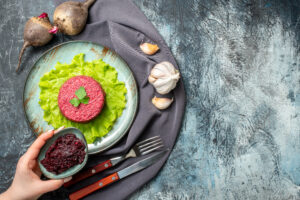
Another effective method is layering. Instead of placing ingredients side by side, components are stacked or partially overlapped to create depth.
Popular arrangement methods include:
- Layering ingredients
- Creating vertical height
- Using circular compositions
- Employing asymmetrical layouts
- Framing ingredients with sauces
Height is one of the easiest ways to improve presentation. A dish with varying levels appears more dynamic and sophisticated than one that sits flat on the plate.
Professional kitchens also pay close attention to spacing. Each component should be clearly visible and distinguishable. Crowding ingredients together can make even excellent food look messy.
The choice of plate matters as well. White plates remain popular because they provide a neutral background that highlights colors and textures. Larger plates can create additional negative space and enhance elegance.
By applying these arrangement techniques, home cooks can dramatically improve the visual impact of their meals with minimal effort.
Popular Plating Styles Used by Professional Chefs
Professional chefs understand that exceptional food presentation is about much more than appearance. Different plating styles help create a specific dining experience, influence how guests perceive a dish, and showcase the chef’s creativity. Choosing the right style is an important part of modern food plating and can elevate even the simplest meal.
One of the most widely used approaches is classic plating. In this style, the main protein, side dishes, and vegetables are arranged separately but in a balanced composition. Classic plating emphasizes structure, symmetry, and clarity, making it popular in traditional fine dining restaurants.
Another common approach is contemporary plating, which focuses on creativity and artistic expression. Chefs often use asymmetrical layouts, negative space, and unique ingredient placement to create a visually striking presentation. This style is frequently seen in modern restaurants where food presentation plays a central role in the dining experience.
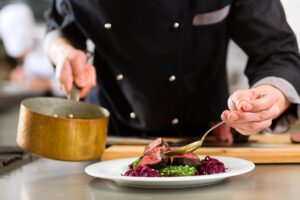
Landscape plating has become increasingly popular in high-end gastronomy. Inspired by nature, this style arranges ingredients to resemble natural scenes such as gardens, forests, or coastlines. It allows chefs to tell a visual story while highlighting seasonal ingredients.
Minimalist plating follows the principle that less is more. Instead of filling the plate with multiple components, chefs focus on a small number of carefully selected ingredients. This approach draws attention to quality, technique, and detail while creating a clean and elegant presentation.
Another growing trend is organic plating, where ingredients are arranged in a natural and fluid manner. Although the presentation appears effortless, every element is intentionally positioned to create harmony and movement.
Understanding these popular plating styles can help home cooks improve their food presentation and develop their own visual identity. Whether you prefer classic elegance or modern creativity, experimenting with different plating styles is one of the best ways to make home-cooked meals look more refined, professional, and memorable.
Sauce Techniques and Tools for Restaurant-Level Presentation
Professional presentation often depends on mastering sauce techniques & tools.
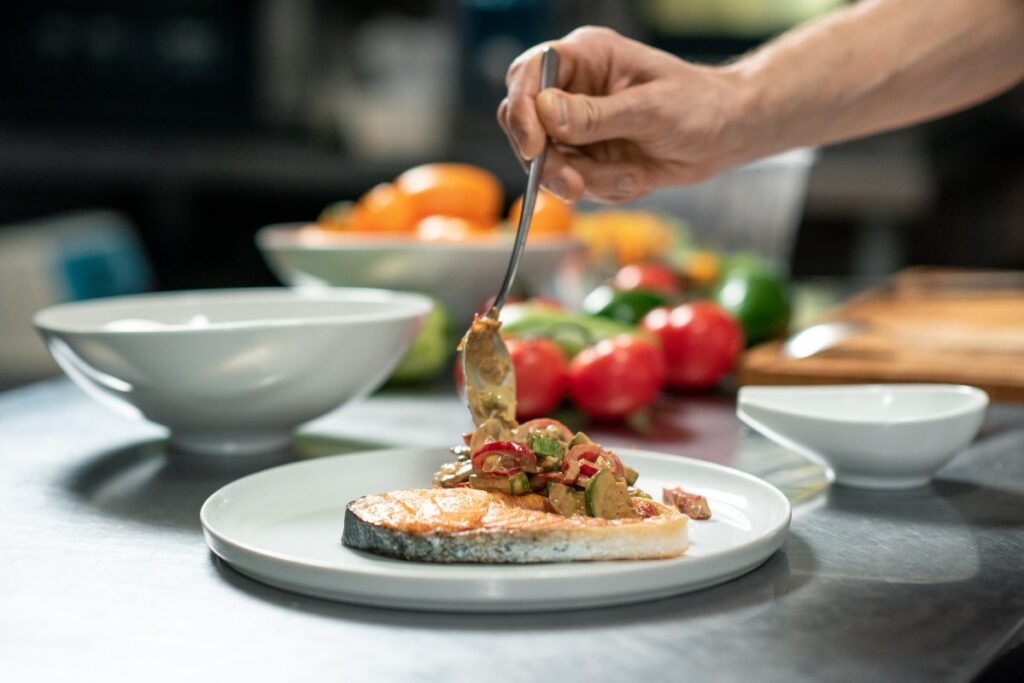
Sauces add color, flavor, and movement to a plate. They can highlight ingredients, create visual contrast, and guide the eye across the composition.
Popular sauce techniques include:
- Brush strokes
- Sauce dots
- Circular pools
- Drizzles
- Smears
Consistency is crucial. A sauce that is too thin may spread uncontrollably, while a sauce that is too thick may appear heavy and awkward.
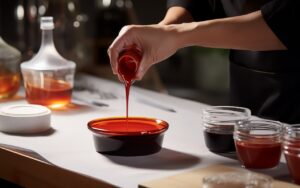
Professional chefs rely on specialized tools for plating to achieve precision and consistency. Fortunately, many of these tools are affordable and easy to use at home.
Useful plating tools include:
- Squeeze bottles
- Offset spatulas
- Ring molds
- Small spoons
- Plating tweezers
- Fine brushes
Among these, plating tweezers are especially valuable for positioning herbs, microgreens, and delicate garnishes with accuracy.
Cleanliness is equally important. Wiping plate edges before serving ensures a polished and professional appearance.
By combining proper sauce techniques with the right tools, home cooks can significantly elevate the visual quality of their dishes.
The Complete Guide to Food Plating at Home
A practical guide to food plating begins with preparation.
Professional chefs rarely plate dishes spontaneously. Instead, they plan the final presentation before cooking begins. Home cooks can benefit from adopting the same mindset.
Before plating, consider:
- Plate size
- Color contrast
- Ingredient placement
- Garnish selection
- Sauce application
Start by positioning the main element first. Then add supporting ingredients while maintaining balance and spacing. Finish with garnishes and sauces.
Fresh herbs, edible flowers, citrus zest, and microgreens can enhance visual appeal when used thoughtfully. However, garnishes should always contribute to flavor rather than serve as decoration alone.
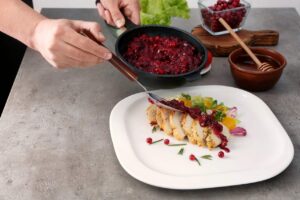
Lighting also matters. Natural light highlights texture and color, making dishes appear more vibrant both in person and in photographs.
Consistent practice is the key to improvement. Over time, home cooks develop an instinct for composition, proportion, and visual balance.
The goal is not to imitate Michelin-star restaurants perfectly but to apply professional principles in a way that suits your own cooking style.
Why Great Food Presentation Enhances the Dining Experience
The impact of presentation extends far beyond appearance. Research consistently shows that people perceive beautifully presented food as more flavorful and enjoyable.
When guests encounter a carefully plated dish, they immediately recognize the attention and effort invested in the meal. This creates anticipation and elevates the entire dining experience.
Professional-level presentation contributes to:
- Stronger first impressions
- Greater enjoyment of food
- Enhanced dining atmosphere
- Increased appreciation for ingredients
- More memorable meals
This is particularly important when hosting guests. Beautiful presentation communicates hospitality, attention to detail, and care.
Beyond aesthetics, food presentation influences the emotional connection guests develop with a meal. A thoughtfully plated dish creates a sense of occasion and makes even simple recipes feel more special. Visual appeal can increase anticipation before the first bite, encouraging guests to engage more fully with the dining experience. In professional hospitality, presentation is often considered an extension of the chef’s creativity and attention to detail. It also enhances food photography, making dishes more appealing for social media sharing and memorable occasions. By investing a few extra moments into plating, home cooks can transform everyday meals into restaurant-quality experiences that leave a lasting impression.
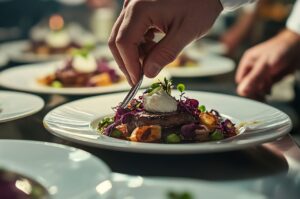
At Loza NYC, food presentation is viewed as an essential component of culinary storytelling. Every plate contributes to the overall experience, combining flavor, aesthetics, and emotion into one cohesive moment.
The good news is that exceptional presentations do not require expensive equipment or professional training. By understanding a few core principles and practicing regularly, anyone can create visually stunning meals at home.
FAQ
- What are plating techniques?
Plating techniques are methods used to arrange and present food attractively on a plate to enhance visual appeal and improve the overall dining experience.
- Why is food presentation important?
Food presentation creates a strong first impression and influences how guests perceive flavor, quality, and value.
- What are the key principles of food plating?
The main principles include balance, contrast, negative space, portion control, focal points, and texture variation.
- What is the easiest way to improve food plating at home?
Use larger plates, create a clear focal point, add color contrast, and avoid overcrowding the plate.
- What tools do professional chefs use for plating?
Common tools include plating tweezers, squeeze bottles, offset spatulas, ring molds, and fine brushes.
- How do restaurants create elegant food presentations?
Restaurants rely on careful planning, consistent portioning, proper spacing, and precise garnish placement.
- What is negative space in food plating?
Negative space refers to the empty areas of a plate that help draw attention to the food and create a cleaner presentation.
- What are the most popular plating styles?
Popular styles include classic, contemporary, minimalist, organic, and landscape plating.
- How can sauces improve food presentation?
Sauces add color, movement, texture, and visual structure while enhancing flavor.
- Do I need professional training to plate food beautifully?
No. With practice and an understanding of basic plating principles, anyone can improve food presentation and create restaurant-quality dishes at home.