Risotto Guide is your complete introduction to one of the most refined and comforting dishes in Italian cuisine. In this blog, you will discover everything from the basics of how to make risotto to advanced techniques used by professional chefs. Whether you are a beginner or looking to perfect your skills, this guide will walk you through different types of risotto, essential rules, and expert tips to achieve a perfect risotto every time.
Risotto Guide – What Makes Risotto Unique?
Risotto is not just a rice dish – it is a technique-driven culinary experience that requires attention, patience, and quality ingredients. Unlike other rice dishes, risotto is cooked slowly by gradually adding broth, allowing the rice to release starch and create a creamy texture without the need for heavy cream.
The foundation of every classic risotto lies in three key elements: the right rice, proper cooking method, and constant stirring. This process creates the signature velvety consistency known as all’onda (wave-like texture).

When learning how to cook risotto, it is important to understand that timing and technique matter more than complexity. Even a simple homemade risotto can taste exceptional when prepared correctly.
At Loza NYC, risotto is treated as both an art and a science, combining tradition with modern culinary creativity.
Contact us and experience authentic risotto prepared by a private chef.
Risotto Guide – Types of Risotto You Should Try
There are countless variations of risotto, each offering unique flavors and textures. Understanding these types will help you explore different culinary possibilities.
Some of the most popular risotto recipes include:
Risotto alla Milanese – Step-by-Step Recipe
Risotto alla Milanese is a classic Italian dish known for its rich flavor and signature golden color from saffron. Start by heating a high-quality chicken or vegetable broth and keeping it warm throughout the cooking process. In a separate pan, melt butter with a drizzle of olive oil and gently sauté finely chopped onion until soft and translucent.
Add Arborio or Carnaroli rice and toast it for 1–2 minutes until the grains become slightly translucent around the edges. Deglaze the pan with a splash of dry white wine and allow the alcohol to evaporate. Begin adding warm broth one ladle at a time, stirring constantly and allowing the liquid to absorb before adding more.
Halfway through cooking, dissolve saffron threads in a small amount of warm broth and stir it into the risotto. Continue adding broth and stirring until the rice is creamy but still slightly firm (al dente).
Finish with butter and freshly grated Parmesan cheese, stirring vigorously to create a smooth, velvety texture. Serve immediately while hot, ensuring the risotto flows gently on the plate.
Mushroom Risotto – Step-by-Step Recipe
Mushroom risotto is a comforting and earthy dish that highlights the depth of flavor from mushrooms. Begin by sautéing a mix of fresh mushrooms (such as cremini, shiitake, or porcini) in olive oil until they release their moisture and become golden. Set them aside.
In the same pan, cook finely chopped onion or shallots in butter until soft. Add Arborio rice and toast it lightly for a minute or two. Deglaze with white wine and let it reduce completely. Gradually add warm vegetable or chicken broth, one ladle at a time, stirring continuously.
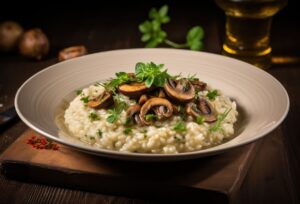
Once the rice is halfway cooked, return the mushrooms to the pan and mix well. Continue adding broth and stirring until the rice reaches a creamy consistency.
Finish the risotto with butter, grated Parmesan cheese, and a touch of fresh herbs like thyme or parsley. The result should be rich, creamy, and deeply flavorful, with the mushrooms fully integrated into the dish. Serve immediately for the best texture and taste.
Seafood Risotto – Step-by-Step Recipe
Seafood risotto is a delicate and elegant dish that requires fresh ingredients and careful timing. Start by preparing a seafood broth using shrimp shells, fish bones, and aromatics, and keep it warm.
In a large pan, sauté garlic and shallots in olive oil until fragrant. Add Arborio rice and toast it briefly. Deglaze with white wine and allow it to evaporate. Begin adding the warm seafood broth gradually, stirring constantly.
As the rice cooks, prepare your seafood separately. Lightly sauté shrimp, scallops, or mussels until just cooked, being careful not to overcook them.
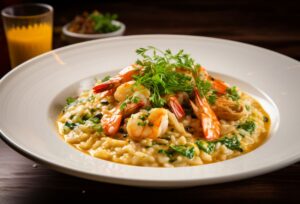
When the risotto is nearly done, gently fold in the seafood and continue cooking for a few more minutes. Finish with a drizzle of olive oil, a squeeze of lemon juice, and fresh parsley.
Avoid adding heavy cheese, as it can overpower the delicate seafood flavors. The final dish should be creamy, light, and perfectly balanced.
Vegetable Risotto – Step-by-Step Recipe
Vegetable risotto is a fresh and versatile dish that can be adapted to any season. Start by preparing a vegetable broth and keeping it warm. Choose seasonal vegetables such as asparagus, peas, zucchini, or spinach.
In a pan, sauté onion or shallots in olive oil or butter until soft. Add Arborio rice and toast it lightly. Deglaze with white wine and allow it to reduce. Gradually add warm broth, stirring continuously and allowing each addition to absorb.
Cook the vegetables separately to maintain their texture and color. Add them to the risotto during the final stages of cooking.
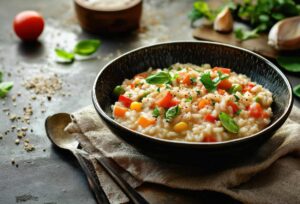
Once the rice is creamy and al dente, finish with butter and Parmesan cheese for richness. You can also add fresh herbs like basil or parsley for extra flavor.
The result should be a vibrant, balanced dish with a creamy base and fresh, slightly crisp vegetables.
Truffle Risotto – Step-by-Step Recipe
Truffle risotto is a luxurious dish that focuses on simplicity and high-quality ingredients. Begin by heating a mild chicken or vegetable broth. In a pan, sauté finely chopped shallots in butter until soft.
Add Arborio or Carnaroli rice and toast it gently. Deglaze with white wine and let it evaporate. Gradually add warm broth, stirring constantly until the rice becomes creamy and tender.
Once the risotto is nearly done, finish with butter and finely grated Parmesan cheese to create a rich base. The key ingredient—truffle—should be added at the end to preserve its aroma. Use either fresh shaved truffle or a small amount of high-quality truffle oil.
Stir gently to incorporate the flavor without overpowering the dish. Serve immediately, optionally garnished with additional truffle shavings.
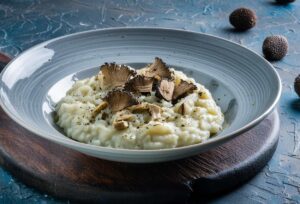
The final result should be elegant, creamy, and intensely aromatic, with the truffle as the star of the dish.
Each variation follows the same basic method, but the ingredients define the final result. The choice of broth, add-ins, and finishing touches plays a crucial role.
Modern cuisine also embraces fusion risottos, incorporating global flavors and creative ingredients. This flexibility makes risotto ideal for both home cooking and high-end dining experiences.
Book your private chef experience and enjoy customized risotto menus tailored to your taste.
Risotto Guide – Choosing the Right Rice
The success of your dish depends heavily on selecting the right type of rice. Not all rice varieties are suitable for making risotto.
The best options include:
- Arborio – widely available, slightly less creamy
- Carnaroli – considered the best for professional kitchens
- Vialone Nano – absorbs flavors quickly
These rice types are rich in starch, which is essential for achieving the creamy consistency that defines a perfect risotto.
When making risotto, never rinse the rice, as this removes the starch needed for the texture. The grains should remain firm yet creamy, creating the perfect balance.
Choosing high-quality ingredients is part of the Essential Risotto Rules, ensuring consistent and delicious results.
Contact us to learn more about premium ingredients and cooking techniques used by professional chefs.
Risotto Guide – Essential Cooking Techniques
Mastering risotto requires understanding the basic method and following a few key steps:
The Basic Method
The basic method is the foundation of every successful risotto and defines the overall quality of the dish. It begins with preparing a flavorful base, usually by gently sautéing finely chopped onions or shallots in butter or olive oil. This step, known as soffritto, builds the first layer of flavor. Once softened, the rice is added and lightly toasted for 1–2 minutes. This process enhances the nutty aroma of the grains and helps them maintain structure during cooking.
Next comes deglazing with white wine, which adds acidity and depth. After the wine evaporates, warm broth is added gradually, one ladle at a time. The key is to allow the liquid to absorb before adding more, ensuring the rice cooks evenly and releases its starch slowly.
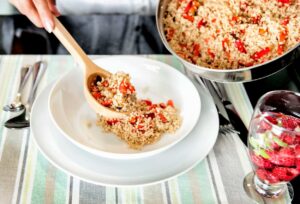
This gradual process creates the creamy consistency that defines risotto. The rice should be cooked until it is tender but still slightly firm in the center (al dente). Mastering this basic method is essential for anyone learning how to make risotto, as it forms the backbone of all variations.
Stirring and Timing
Stirring and timing are critical elements in achieving a perfect risotto. Proper stirring helps release the starch from the rice, which is responsible for the creamy texture. However, it is important to find the right balance—too little stirring can cause the rice to stick and cook unevenly, while too much stirring can break the grains and result in a gluey consistency.
A gentle, consistent stirring motion is ideal, especially after each addition of broth. This allows the rice to move freely and cook evenly while gradually thickening the liquid. Timing also plays a crucial role, as risotto typically takes around 18–20 minutes to cook.
During this time, the cook must remain attentive, adjusting the heat and liquid as needed. The broth should always be warm, as adding cold liquid can disrupt the cooking process.
Understanding how stirring and timing work together ensures that the risotto develops the right texture—creamy, smooth, and perfectly balanced without becoming overly thick or dry.
Mantecatura (Final Step)
Mantecatura is the final and most important step in risotto preparation, responsible for achieving its signature creamy and luxurious texture. This step takes place after the rice is fully cooked and the pan is removed from direct heat.
At this stage, cold butter and finely grated Parmesan cheese are added to the risotto. The mixture is then stirred vigorously, allowing the fats and starches to emulsify and create a smooth, glossy consistency. This process transforms the dish from simply cooked rice into a rich and cohesive risotto.
The key to successful mantecatura is balance. Adding too much butter or cheese can make the dish heavy, while too little can result in a lack of creaminess. The goal is to achieve a texture that is fluid and slightly loose, often described as “all’onda,” meaning it flows like a wave when served.
Proper mantecatura elevates the entire dish, enhancing both flavor and mouthfeel, and is considered a hallmark of professional risotto preparation.
Understanding how to make risotto properly ensures that every bite is rich, balanced, and satisfying.
Book your private chef experience and learn these techniques hands-on.
Risotto Guide – Common Add-ins and Flavor Combinations
One of the best aspects of risotto is its versatility. Common add-ins allow you to customize flavors based on your preferences and seasonal ingredients.
Popular options include:
- Mushrooms and herbs
- Shrimp and seafood
- Asparagus and peas
- Truffle oil or fresh truffles
- Parmesan and aged cheeses
The key is to balance flavors without overpowering the dish. Every ingredient should complement the creamy base of the risotto.
When making risotto at home, focus on quality rather than quantity. A few well-chosen ingredients can create a memorable dish.
Interestingly, dishes rich in nutrients like risotto can also help combat fatigue, especially when paired with balanced meals—something often associated with the principles of a well-structured Risotto Guide.
Contact us to create a personalized dining experience with expertly crafted risotto.
Risotto Guide – Common Mistakes to Avoid
Even experienced cooks can make mistakes when preparing risotto. Avoiding these errors is key to success:
- Adding too much broth at once
- Using cold broth
- Overcooking the rice
- Skipping the final emulsification step
- Using low-quality ingredients
Understanding these pitfalls is part of mastering how to cook risotto.
Consistency is crucial—risotto should be creamy but not dry, fluid but not soupy. Achieving this balance takes practice and attention to detail.
By following the Essential Risotto Rules, you can avoid common mistakes and consistently create high-quality dishes.
Risotto Guide – How to Serve Risotto Like a Professional Chef
Presentation plays a major role in the overall experience. A well-prepared risotto should flow gently on the plate, creating a smooth and elegant appearance.
Tips for serving:
- Use warm plates
- Serve immediately after cooking
- Garnish lightly with herbs or cheese
- Maintain the “all’onda” consistency
Pairing risotto with the right wine enhances the flavors and completes the dining experience.
At Chef Živko Radojčić, risotto is served with attention to detail, combining taste, texture, and presentation to create a memorable meal.
Contact us to elevate your next event with a private chef experience.
FAQ – Risotto Guide: Types and Cooking Techniques
- What is the best rice for making risotto?
The best rice for risotto is high-starch, short-grain rice such as Arborio, Carnaroli, or Vialone Nano. These varieties create the creamy texture essential for a perfect risotto.
- How do you make risotto creamy without cream?
Risotto becomes creamy through the slow release of starch from the rice while stirring and gradually adding broth. No heavy cream is needed if the technique is done properly.
- What is the basic method for cooking risotto?
The basic method includes sautéing onions, toasting the rice, deglazing with wine, and gradually adding warm broth while stirring continuously until the rice is al dente.
- How long does it take to cook risotto?
Risotto typically takes around 18–20 minutes to cook. Timing may vary slightly depending on the type of rice and heat level.
- Do you have to stir risotto constantly?
You should stir risotto regularly but not aggressively. Gentle, consistent stirring helps release starch and prevents sticking while maintaining the texture.
- What are the most popular types of risotto?
Some of the most popular types include Risotto alla Milanese, mushroom risotto, seafood risotto, vegetable risotto, and truffle risotto.
- Can risotto be made in advance?
Risotto is best served fresh, but it can be partially cooked ahead of time and finished just before serving to maintain its creamy consistency.
- What are common mistakes when making risotto?
Common mistakes include adding too much broth at once, using cold broth, overcooking the rice, and skipping the final step (mantecatura).
- What does “al dente” mean in risotto?
Al dente means the rice is tender but still slightly firm in the center, providing the ideal texture for risotto.
- How do you know when risotto is done?
Risotto is ready when it has a creamy, flowing consistency and the rice is cooked al dente—not too soft or too hard.
- Can you make risotto without wine?
Yes, wine can be omitted. You can substitute it with a splash of lemon juice or simply use broth, although wine adds depth of flavor.
- How should risotto be served?
Risotto should be served immediately on warm plates, with a slightly fluid consistency known as “all’onda,” meaning it gently spreads on the plate.