Sarma Recipe represents far more than a simple meal—it reflects generations of tradition, patience, and cultural identity. Known throughout Serbia and the Balkans, sarma consists of fermented cabbage leaves carefully wrapped around a flavorful filling of ground meat, rice, and spices, then slowly cooked to develop deep, comforting flavor. This dish is often associated with family gatherings, holidays, and meaningful occasions, where preparation itself becomes part of the experience. Unlike fast modern recipes, sarma requires time, attention, and care, which is exactly what gives it its unmistakable richness. Many chefs who specialize in authentic Balkan and Mediterranean cuisine, including those behind Loza NYC, emphasize the importance of preserving traditional techniques. You can learn more about the culinary philosophy and heritage behind these traditional dishes by visiting the Loza NYC , where cultural authenticity and quality ingredients remain central to every preparation.
What Is Sarma?
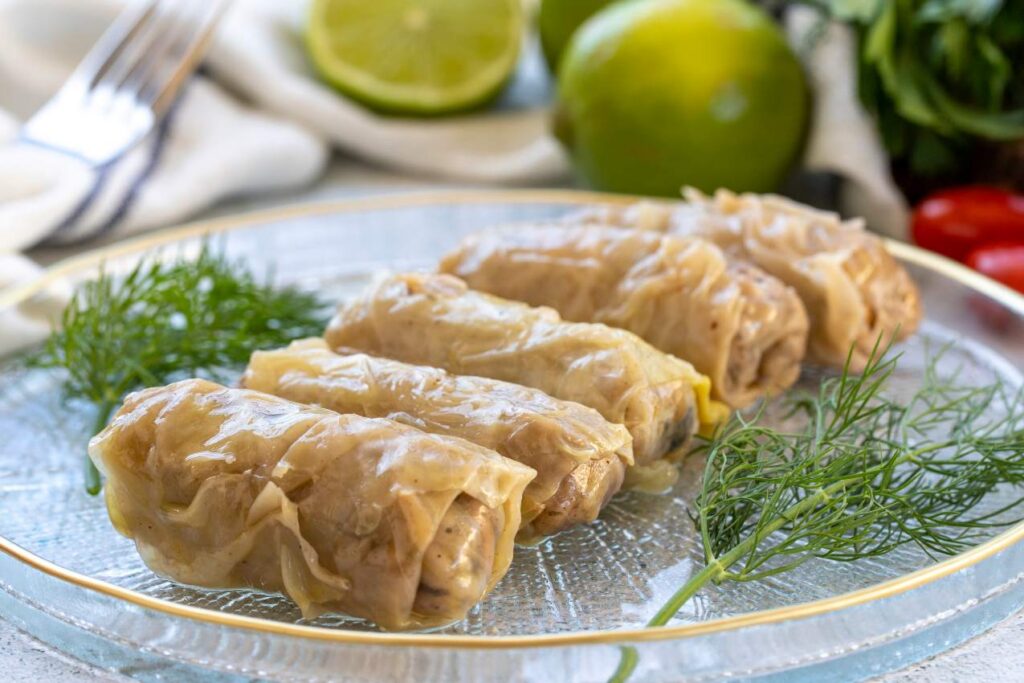
Sarma is a traditional Serbian dish made by filling fermented cabbage leaves with a mixture of ground meat, rice, and spices, then cooking the rolls slowly until tender and deeply flavorful. While similar stuffed cabbage dishes exist in many cultures, Serbian sarma stands apart because of its use of sour cabbage, which gives the dish its distinctive tangy depth. The slow cooking process allows the cabbage, meat, and seasonings to blend together, creating layers of flavor that improve even further over time. Sarma is often prepared in large quantities, as it tastes even better the next day, making it ideal for gatherings and shared meals. This dish reflects the Balkan approach to cooking—simple ingredients transformed through patience and technique into something deeply satisfying and memorable.
The Cultural Importance of Sarma in Serbian Cuisine
Sarma holds a central place in Serbian culinary tradition and is widely considered one of the most iconic national dishes. It is especially common during winter months and major celebrations, including holidays and family events. Preparing sarma is often a shared activity, where family members gather to prepare the cabbage leaves, mix the filling, and roll each piece carefully by hand. This process reinforces the cultural significance of the dish, connecting generations through food and tradition. The Sarma Recipe is not just about nourishment—it is about preserving heritage and honoring traditional cooking methods that have been passed down over centuries.
What Makes Serbian Sarma Unique
The defining characteristic of Serbian sarma is the use of naturally fermented cabbage, which gives the dish its signature tangy flavor and tender texture. Unlike fresh cabbage, fermented leaves are softer and easier to roll, while also contributing complexity to the final dish. The slow cooking process allows the flavors to deepen gradually, resulting in a rich and balanced taste. The combination of meat, rice, and spices creates a filling that is both hearty and flavorful, making the Sarma Recipe a perfect example of traditional Balkan comfort food.
Ingredients You Need for a Traditional Sarma Recipe
The success of any Sarma Recipe depends on selecting the right ingredients, particularly high-quality cabbage and properly balanced filling. Each component plays an important role in creating the final flavor, and attention to detail ensures authenticity. Traditional sarma uses simple ingredients, but their quality and preparation make a significant difference in the outcome.
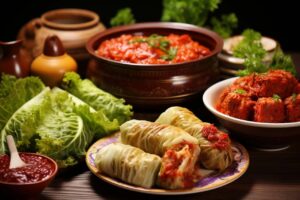
Essential Ingredients for Authentic Sarma
The most important ingredient is fermented cabbage, which provides the distinctive taste and structure. Ground meat, typically a mix of beef and pork, creates a rich and balanced filling. Rice helps bind the filling while adding texture. Onion, garlic, and spices enhance flavor and aroma. These ingredients work together to create the classic Sarma Recipe that has remained unchanged for generations.
Additional Ingredients That Enhance Flavor
In addition to the core ingredients, certain traditional additions can significantly enhance the depth and character of a Sarma Recipe. Smoked meat, such as smoked ribs or bacon, is often added to the pot during cooking, enriching the liquid and infusing the cabbage rolls with a subtle smoky aroma. Tomato-based elements, whether in the form of puree or sauce, may also be included to balance the natural acidity of the fermented cabbage and create a more rounded flavor profile. Garlic, bay leaves, and black pepper are sometimes used to further deepen the aroma without overpowering the dish. These carefully selected additions allow each layer of flavor to develop naturally during slow cooking. This same attention to detail is essential when preparing sarma for private gatherings and special occasions. At Loza NYC, we organize private dining and private events where traditional Balkan dishes are thoughtfully prepared and presented, allowing guests to enjoy authentic flavors in a personalized and memorable setting.
How to Make Sarma Recipe Step by Step
Preparing sarma requires patience and careful technique. Each step contributes to the final flavor, and proper preparation ensures the rolls remain intact and cook evenly.
Step 1: Prepare the Cabbage Leaves
Separate the fermented cabbage leaves and trim thick stems to make rolling easier. This step ensures flexibility and proper texture. Preparing the cabbage correctly is essential for maintaining the integrity of the Sarma Recipe.
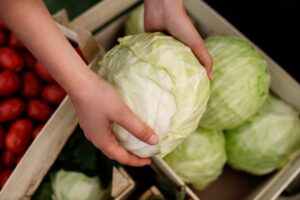
Step 2: Prepare the Meat Filling
Mix ground meat with rice, chopped onion, garlic, and spices. This filling creates the foundation of flavor. Balanced seasoning ensures the filling complements the cabbage without overpowering it.
Step 3: Roll the Sarma
Place a portion of filling onto each cabbage leaf and roll tightly. Proper rolling prevents the filling from escaping during cooking and helps maintain structure.
Step 4: Arrange and Cook the Sarma
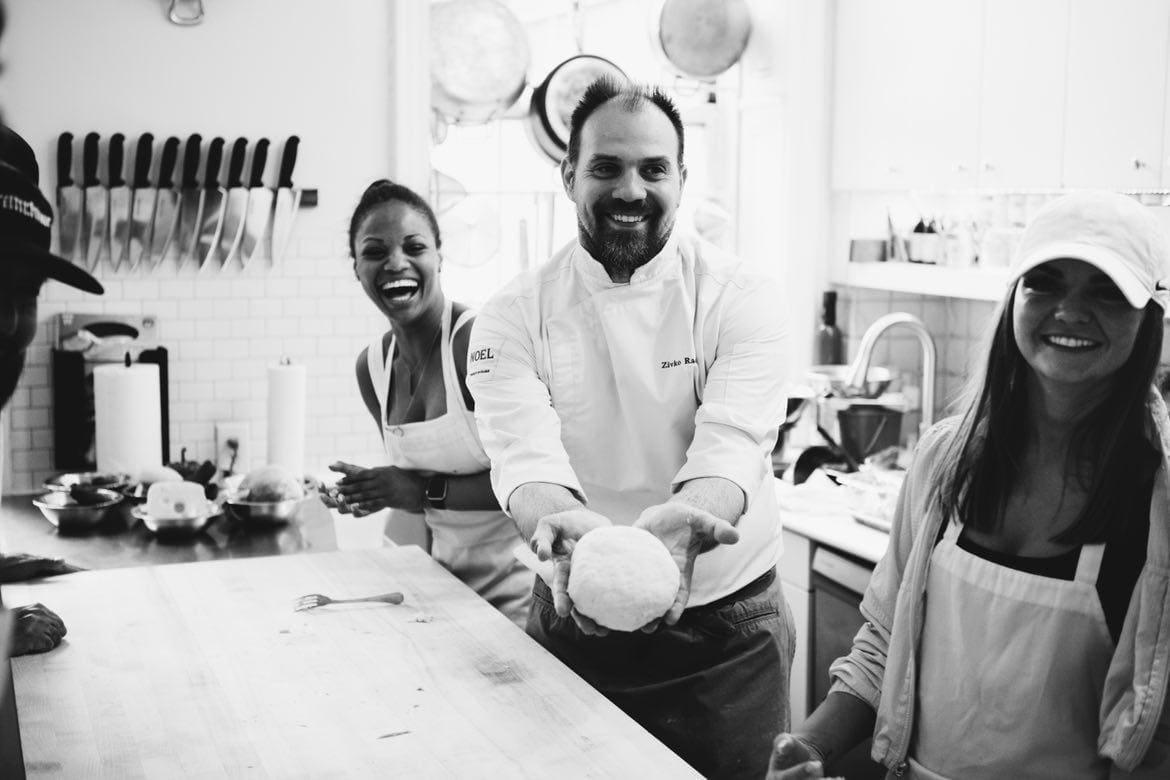
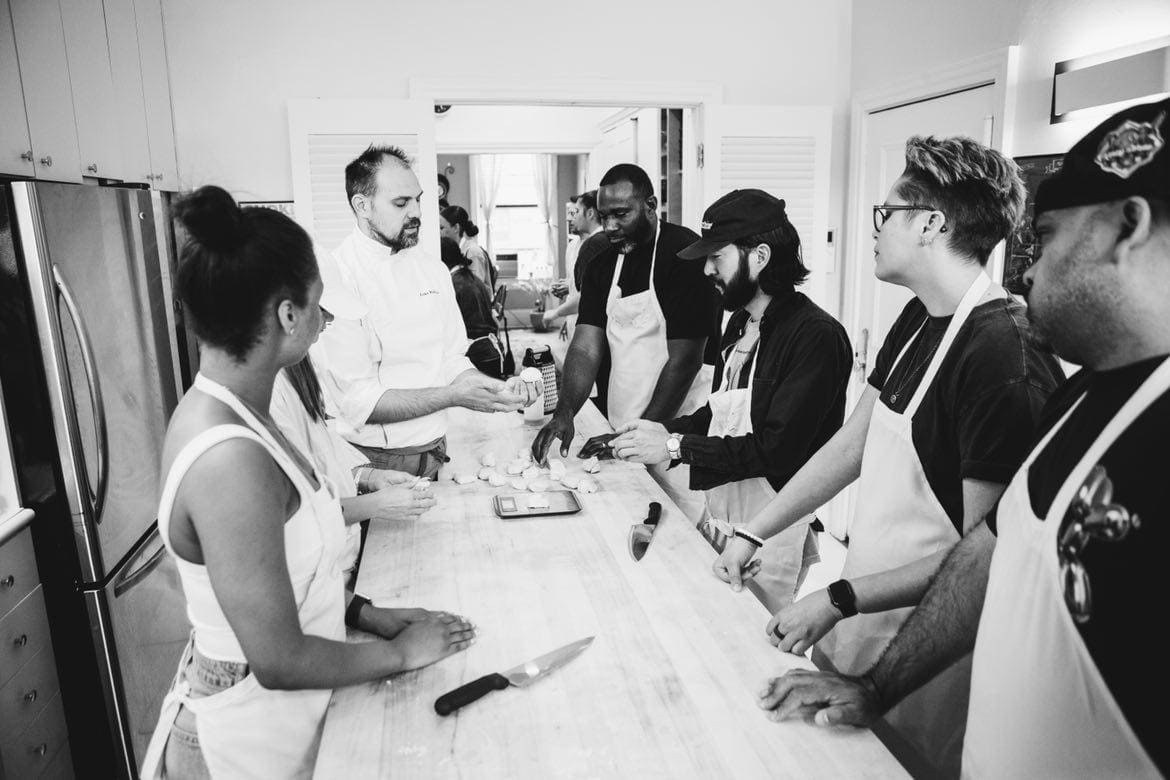
Carefully place each rolled cabbage leaf into a large pot, arranging them in layers to ensure even cooking and stability. It’s important to position the rolls close together so they maintain their shape throughout the cooking process. Once arranged, add enough water or broth to partially cover the rolls, allowing the liquid to slowly infuse flavor into the cabbage and filling. Many traditional Sarma Recipe variations also include smoked meat, which enhances the overall richness and adds depth to the dish. The pot should then be covered and cooked over low heat, allowing the ingredients to gradually soften and develop their full flavor. This slow cooking method is essential for achieving the tender texture and balanced taste that define authentic sarma. For those who want to explore traditional Balkan cooking more deeply, Loza NYC also offers cooking classes where guests can learn authentic preparation techniques, understand ingredient selection, and gain hands-on experience recreating classic dishes in a guided and creative environment.
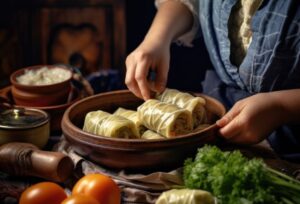
Step 5: Slow Cooking for Best Flavor
Allow sarma to cook slowly over several hours. This gradual process tenderizes the cabbage and enhances flavor, making the Sarma Recipe deeply satisfying.
Tips for Making Authentic Serbian Sarma
Authentic sarma relies on patience, quality ingredients, and proper cooking technique. Understanding these principles helps ensure consistent results.
Use Proper Sour Cabbage
Using properly fermented sour cabbage is one of the most important factors in achieving an authentic Sarma Recipe. Unlike fresh cabbage, fermented cabbage has already developed a soft texture and distinctive tangy flavor that defines traditional sarma. The fermentation process not only enhances taste but also makes the leaves more flexible and easier to roll without breaking. This ensures the rolls maintain their structure during long cooking. Sour cabbage also contributes depth to the overall dish, as its acidity balances the richness of the meat filling. When selecting cabbage, look for whole fermented heads with intact leaves and a clean, slightly sour aroma. Avoid overly soft or damaged leaves, as they may fall apart during preparation. Proper cabbage selection is essential for preserving authenticity and achieving the traditional flavor profile that makes sarma unique.
Cook Slowly for Deep Flavor
Slow cooking is essential for developing the deep, comforting flavor that defines a traditional Sarma Recipe. Unlike dishes that cook quickly at high temperatures, sarma benefits from gradual simmering, which allows the cabbage, meat, rice, and seasonings to blend together naturally. As the rolls cook slowly, the meat becomes tender, the rice fully softens, and the cabbage absorbs the surrounding flavors. This process creates a rich and balanced dish where no single ingredient overpowers the others. Cooking sarma too quickly can result in tough cabbage and uneven flavor distribution. Gentle heat ensures consistent texture and enhances the overall quality of the dish. This patient cooking method reflects traditional Balkan culinary practices, where time is considered a key ingredient in achieving authentic results.
Let Sarma Rest Before Serving
Allowing sarma to rest after cooking is an often overlooked but important step in achieving the best possible flavor and texture. Once the cooking process is complete, letting the rolls sit for at least 15 to 30 minutes helps stabilize the structure and allows the flavors to fully settle. During this resting period, the filling absorbs remaining moisture, and the cabbage becomes even more tender. Many experienced cooks agree that sarma tastes even better the next day, as the flavors continue to develop over time. Resting also makes the rolls easier to handle and serve without falling apart. This step ensures the final presentation remains intact while delivering the rich, balanced taste that defines an authentic Sarma Recipe.
How Sarma Is Traditionally Served
Sarma is typically served hot, often with bread and shared among family members. Its rich flavor makes it suitable as a main dish.
Traditional Serving Style
Sarma is traditionally served as a main dish during family meals, holidays, and special celebrations, reflecting its importance in Serbian and Balkan culinary culture. It is typically presented hot, directly from the pot, often accompanied by fresh bread, mashed potatoes, or a simple side that complements its rich and tangy flavor. Because sarma is slow-cooked and deeply satisfying, it is considered comfort food that brings people together, especially during colder months. In many households, large batches are prepared to ensure there is enough for extended family gatherings, reinforcing its role as a communal dish. Sarma is also known for tasting even better the next day, as the flavors continue to develop over time. This makes it ideal not only for immediate serving but also for sharing over several meals, further emphasizing its connection to tradition, hospitality, and home-style cooking.
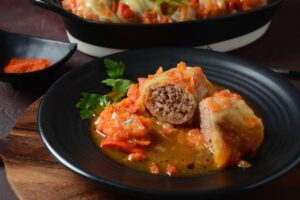
Experience Authentic Balkan Cuisine at Loza NYC
Authentic Balkan cuisine reflects tradition, heritage, and careful preparation. At Loza NYC, traditional cooking methods are preserved to deliver genuine flavors. Guests seeking personalized culinary experiences can explore options through the Private Chef or reach out through the Contact us to learn more about authentic dining opportunities.
Why Sarma Remains a Timeless Traditional Dish
The Sarma Recipe continues to represent the essence of Serbian culinary tradition. Its slow preparation, rich flavor, and cultural significance make it one of the most beloved dishes in Balkan cuisine. Whether prepared at home or experienced through professional culinary expertise, sarma remains a symbol of tradition, patience, and authentic flavor.