In the ever-evolving world of technology, where remote work and digital collaboration dominate, teambuilding for IT companies has become more important than ever. Behind every successful product, app, or line of code is a team that must function not just as a group of individuals, but as a cohesive unit. Teambuilding isn’t just a fun escape from routine—it’s a strategic tool that nurtures collaboration, boosts morale, and ultimately enhances performance.

Whether you’re a startup scaling quickly or a large IT firm managing cross-functional teams, investing in meaningful teambuilding can have a long-lasting impact on company culture and productivity.
Why IT Teams Need Teambuilding More Than Ever
Unlike traditional office environments, many IT teams operate in hybrid or fully remote structures. While flexibility is a benefit, it can also create silos, communication breakdowns, and feelings of isolation. That’s where teambuilding steps in.
Good teambuilding activities:
- Strengthen trust between colleagues
- Improve communication across departments
- Foster creative problem-solving
- Reduce burnout and stress
- Encourage a sense of belonging
In a sector where deadlines, bug fixes, and agile sprints are the norm, even a short, well-planned teambuilding session can reset energy and realign team goals.

What Makes a Good Teambuilding Activity for IT Professionals?
Not all teambuilding activities are created equal. For tech teams, the most effective experiences are those that challenge the mind, spark creativity, and allow people to work together in new ways.
Here are a few essentials:
1. Mental Stimulation
Hackathons, escape rooms, or coding challenges can be a natural fit for IT minds. These types of activities mimic real-life problem-solving but in a pressure-free, gamified setting.
2. Collaboration Under Pressure
Activities like virtual scavenger hunts or project-based simulations help identify leadership strengths, coordination issues, and collaboration styles.
3. Informal Socialization
Sometimes the best connections are built over a shared meal or creative cooking session. These allow team members to drop the work roles and engage as people.
Private Chef Experiences: A New Take on Teambuilding
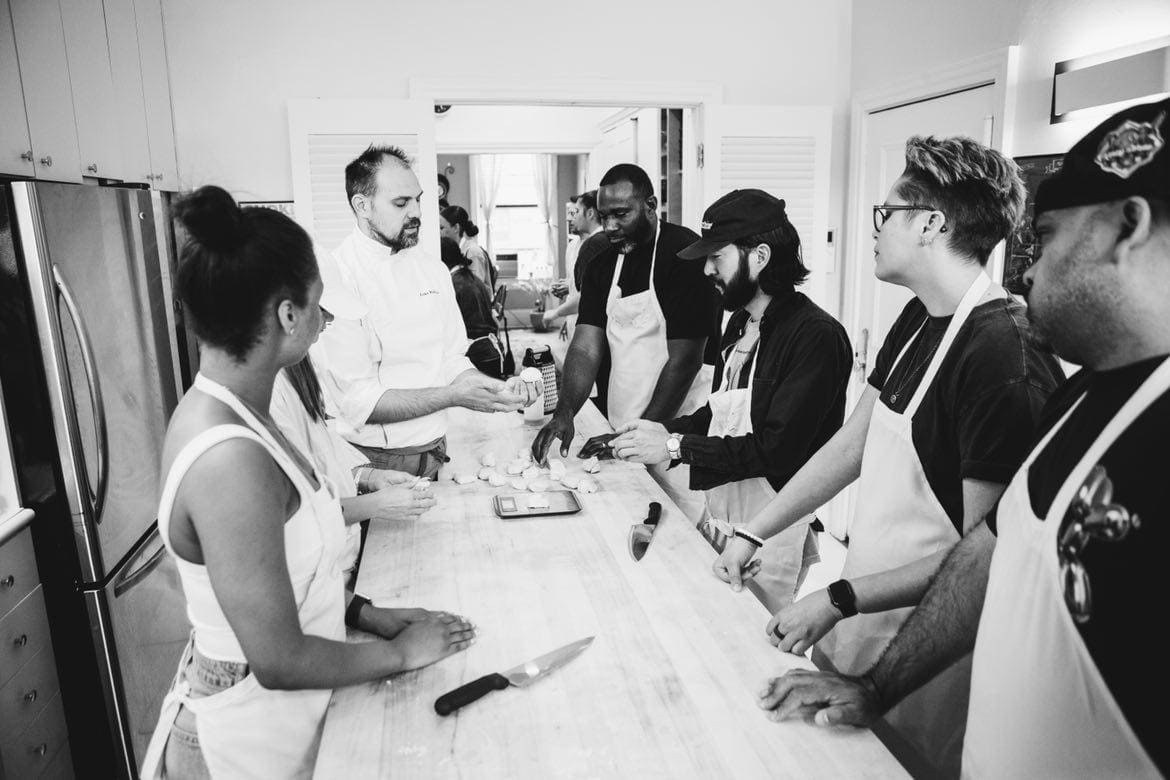
One of the most unique and effective teambuilding experiences for IT companies is hosting a private dining or cooking class with a professional chef. Unlike traditional dining, this is immersive, hands-on, and collaborative.
At Loza NYC, our private chef experiences are designed with teams in mind. Picture your dev team gathered in a stylish apartment kitchen, aprons on, chopping, stirring, and plating gourmet meals together—laughing, collaborating, and building memories in real-time.
Here’s why this works:
- Shared experience fosters trust and bonding
- Creative break from analytical work energizes the mind
- Food as a connector bridges cultural and personality gaps
- Interactive format encourages everyone to contribute
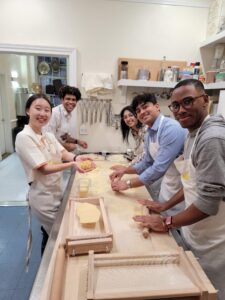
From hands-on pasta-making sessions to curated three-course dinners with storytelling elements, these events are tailored to the dynamics of modern tech teams.
Want to see how it works? Check out one of our favorite examples from Loza NYC’s blog on team experiences and cooking classes.
Virtual Teambuilding for Remote IT Teams
For fully remote IT companies, virtual teambuilding options are just as crucial. Here are a few ideas that work well:
- Online cooking class with ingredient delivery
- Trivia night focused on tech and pop culture
- Code & Coffee sessions for idea sharing
- Virtual escape games requiring real-time problem-solving
These experiences should balance professional development and entertainment. The key is creating moments of connection across the screen.
Teambuilding That Aligns With Company Culture
It’s important that teambuilding for IT companies aligns with internal values and company culture. For example:
- A startup might value fast-paced, competitive games that mimic agile processes
- A company focused on innovation might prefer activities centered on ideation and design thinking
- A wellness-oriented workplace may appreciate mindfulness, outdoor retreats, or healthy cooking classes
Ask for feedback after every event to learn what resonates and adapt for future success. This shows the team that their input matters—and it leads to better outcomes.
Measuring the Impact of Teambuilding
You can’t improve what you don’t measure. Evaluating the success of teambuilding for IT companies ensures that the effort and resources invested actually contribute to a more connected, efficient, and motivated team.
Here are a few practical ways to measure impact:
- Pre- and post-event surveys to assess team morale, motivation, and emotional engagement
- Observation of collaboration during real projects—are people communicating more openly? Is problem-solving more fluid?
- Employee retention rates and engagement metrics, which often reflect the quality of internal culture and satisfaction
- Anecdotal feedback from managers, team leads, and the participants themselves
- Follow-up performance reviews to track individual and team development over time
According to Gallup’s research on team engagement, companies with highly engaged teams experience 21% greater profitability and significantly lower turnover. That’s a measurable ROI that goes far beyond the day of the event.
Remember, the best outcomes often appear gradually—reflected in better trust, clearer communication, and a stronger sense of community across your tech team.
Final Thoughts
When done right, teambuilding for IT companies isn’t just a day out—it’s a strategic investment. From collaborative cooking experiences with Loza NYC to virtual puzzles that stimulate creativity, the possibilities are endless.
As the tech world grows faster and more complex, the ability for your team to work together—not just side by side—will be the foundation of long-term success.