
Experience the heart of Mediterranean cuisine through small plates designed for sharing. These authentic Mediterranean appetizers celebrate the art of mezze — from creamy hummus to grilled seafood — and invite you to recreate the flavors of the Mediterranean at home or with your own private chef.

The best Mediterranean appetizers captivate our senses with a vibrant array of the region’s most celebrated ingredients—tangy feta cheese, briny olives, and smoky eggplant. Whether you call them antipasti, tapas, or meze, these flavorful small plates form the cornerstone of Mediterranean food culture.
Mediterranean appetizers are designed for sharing, featuring fresh ingredients like olive oil, herbs, yogurt, and seafood that showcase the region’s distinctive coastal flavors. While a delicious bowl of well-seasoned, marinated olives is always a great entertaining option, Mediterranean appetizer recipes often extend beyond simple offerings. The mezze approach is more than just a way to start a meal—it represents a social dining experience meant to be shared and enjoyed at a leisurely pace.
In this guide, we’ll explore our top 10 Mediterranean appetizers that capture the essence of this beloved cuisine. From classic dips to seafood-inspired small plates, these recipes are simple, flavorful, and perfect for your next gathering. We’ll also show you how to build an impressive mezze platter that balances colors and textures while creating an atmosphere of abundance and connection.
Classic Mediterranean Dips
Dipping into Mediterranean cuisine begins with three iconic spreads that form the foundation of any authentic mezze platter. These versatile dips showcase the rich flavors and simple ingredients that make Mediterranean food appetizers so beloved around the world.
Hummus with olive oil and paprika
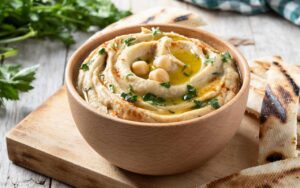
Creamy, nutty, and endlessly customizable, hummus reigns supreme among Mediterranean dips. This beloved blend of chickpeas and tahini holds a revered place in Middle Eastern and Mediterranean cuisine. The magic happens when chickpeas combine with tahini (sesame paste), fresh lemon juice, garlic, and a generous swirl of olive oil.
For the silkiest texture, many chefs recommend peeling the chickpeas first. Although this step is optional, it creates an ultra-creamy result. When preparing authentic hummus, process the chickpeas alone until they become powder-like, then add lemon juice, tahini, garlic cloves, and salt. A few ice cubes blended in for about 5 minutes creates the smoothest consistency.
Traditional serving calls for creating a shallow well in the center, drizzling with quality olive oil, and sprinkling with paprika for both color and a subtle smoky flavor. Beyond being delicious, hummus is nutritionally impressive with approximately 121 calories, 5g of fat, 17g of carbs, and 4g of protein per serving.
Tzatziki with cucumber and dill
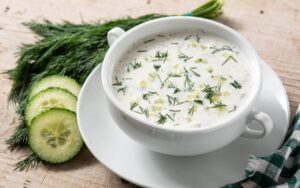
Fresh, cooling, and tangy, tzatziki offers the perfect counterpoint to more robust Mediterranean flavors. This yogurt-based sauce has origins across southeastern Europe and the Middle East, with variations called Cacik in Turkey and Tarator in Bulgaria.
The foundation of excellent tzatziki is strained Greek yogurt combined with grated cucumber. The secret to avoiding a watery dip is removing excess moisture from the cucumber – either by squeezing it directly over the sink or pressing between kitchen towels. Mix in finely minced garlic, fresh lemon juice, chopped dill, salt, and pepper. Some recipes suggest draining the yogurt overnight through cheesecloth for an even thicker consistency.
Beyond being a dip for vegetables or pita, tzatziki serves multiple culinary purposes – as a sauce for grilled fish, a topping for falafel, or tossed with chopped veggies for a quick tangy salad. This versatile Mediterranean classic delivers approximately 20 calories per serving.
Smoky baba ganoush

Mysterious, smoky, and seductively creamy, baba ganoush elevates the humble eggplant into a sophisticated dip. The defining feature is charred eggplant, which gives it an irresistible smoky depth. In Arabic, “baba ganoush” translates to “spoiled daddy” – a nod to the indulgent nature of this luxurious spread.
The authentic preparation begins with eggplants charred over an open flame – whether on an outdoor grill, gas stovetop, or under the broiler. After the skin blisters and blackens, the eggplants steam in a covered bowl, intensifying the smoky flavor while cooling. The flesh is then scooped out, chopped to break down fibrous bits, and mixed with tahini, lemon juice, olive oil, and garlic.
For serving, spread baba ganoush in a shallow bowl, create elegant swirls with the back of a spoon, then finish with a drizzle of olive oil and a sprinkle of herbs or spices like sumac. This Mediterranean treasure works beautifully alongside hummus as part of a comprehensive mezze spread.
Want to learn how to prepare authentic hummus, tzatziki, and baba ganoush from scratch? Join our Cooking Class led by Private Chef Živko and master the art of mezze.
Cheese-Based Appetizers
Feta cheese stands as the cornerstone of many cheese-based Mediterranean appetizers, offering a perfect canvas for both traditional and creative preparations. These savory delights balance creamy textures with bold flavors, creating irresistible party starters that showcase the Mediterranean’s love affair with dairy.
If you’re hosting a private dinner or event, our Private Chef Service brings these Mediterranean appetizers directly to your table — prepared and presented with restaurant-quality flair.
Baked feta with honey and pistachios

This elegant appetizer brilliantly plays with contrasting flavors—the saltiness of feta against sweet honey, finished with the crunch of pistachios. The preparation couldn’t be simpler, yet the result is remarkably sophisticated.
To create this appetizer, place a block of feta (preferably in brine rather than pre-crumbled) in a small baking dish. Drizzle with quality olive oil and sprinkle with crushed pistachios, dried herbs like oregano and thyme, red pepper flakes, and minced garlic. Bake at 400°F for about 10-12 minutes, then switch to broil for approximately 4 minutes until nicely browned.
The magic happens upon serving—a generous drizzle of honey transforms this dish into a sweet-salty masterpiece. For an impressive pairing, serve with a bright, fruity Prosecco to complement the textural contrast.
Mini phyllo feta bites
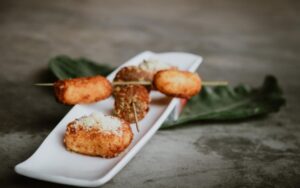
These crispy, golden-brown parcels deliver a burst of salty, gooey feta wrapped in flaky phyllo dough. The contrasting textures make these bites an instant crowd-pleaser at any Mediterranean-themed gathering.
The preparation involves wrapping cubes of feta in strips of phyllo dough that have been brushed with olive oil. Each bite gets secured with a toothpick before baking at 400°F until golden and crispy. For authentic flavor, some recipes recommend a quick pan-fry to achieve perfect crispness, turning each piece until golden on all sides.
What elevates these bites from good to exceptional is the finishing touch—a drizzle of sticky-sweet honey and a sprinkle of flaky salt. This combination balances the saltiness of the feta with just enough sweetness. Additionally, some versions incorporate herbs like thyme or a sprinkle of sesame seeds for enhanced flavor and presentation.
Whipped feta with roasted tomatoes
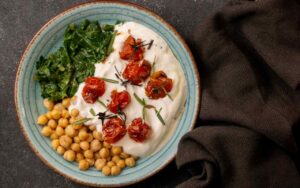
This creamy spread pairs the tangy punch of whipped feta with the sweet intensity of roasted tomatoes, creating one of the most versatile Mediterranean appetizer recipes available.
To prepare whipped feta, blend a block of feta cheese (not pre-crumbled) with Greek yogurt, olive oil, fresh lemon juice, and garlic in a food processor until smooth and creamy. Meanwhile, roast cherry or grape tomatoes with olive oil, Italian seasoning, salt, and pepper at 400°F for 20-25 minutes until they’re soft and beginning to burst.
The contrast between the cool, tangy whipped feta and warm, sweet roasted tomatoes creates a memorable flavor experience. Serve this spread with crostini, flatbreads, or your favorite crackers for a Mediterranean appetizer that disappears quickly.
Furthermore, this appetizer works beautifully as part of a larger mezze spread, particularly when paired with fresh herbs as garnish. Fresh mint leaves offer a bright contrast, though basil or parsley work equally well. For an extra touch of flavor complexity, a light drizzle of honey over the tomatoes amplifies their natural sweetness.
Stuffed and Wrapped Favorites
The art of wrapping and stuffing foods reaches its pinnacle in Mediterranean cuisine, where humble ingredients transform into elegant handheld delicacies. These versatile bites showcase the region’s talent for creating perfectly portable appetizers that are as beautiful as they are delicious.
Dolmas (stuffed grape leaves)

Dolmas—from the Turkish word “dolmak” meaning “to be filled”—are among the most iconic Mediterranean appetizers, with regional variations found throughout Turkey, Greece, and the Levant. These bite-sized parcels consist of tender grape leaves wrapped around a fragrant filling of rice, herbs, and sometimes ground meat.
Traditional dolmas feature a mixture of rice, fresh herbs (mint, dill, and parsley), and aromatic seasonings. In many authentic recipes, the rice is first soaked for 20 minutes to ensure even cooking and prevent the finished dolmas from becoming gummy. Some regional variations, like those found in Crete, feature bright, mellow flavors from onions and generous pours of lemon juice.
The rolling technique requires patience but delivers impressive results. Initially, a spoonful of filling is placed near the stem end of a grape leaf (shiny side down), then the sides are folded over and rolled tightly—similar to creating a spring roll. The trick is to roll them snugly enough to maintain their shape during cooking, yet loosely enough to allow the rice room to expand.
To prevent dolmas from unwrapping during cooking, arrange them seam-side down in a pot lined with extra grape leaves or tomato slices. An inverted plate placed on top keeps them submerged in the cooking liquid, which typically includes water, lemon juice, and olive oil. After simmering, they need to rest for 20-30 minutes before serving, allowing them to set properly.
Filo-wrapped feta with honey
In essence, this Greek delicacy (feta me meli) perfectly balances salty creaminess with sweet, sticky honey, all encased in crispy phyllo. The contrasting flavors and textures make it an instant favorite on any Mediterranean appetizer platter.
For the best result, use high-quality feta in brine rather than pre-crumbled varieties. The authentic preparation begins by brushing a sheet of paper-thin phyllo dough with olive oil, placing a block of feta at one end, then folding the dough over to completely encase the cheese. Some recipes call for a mixture of egg, butter, and olive oil to brush between phyllo layers, creating an even richer result.
Once assembled, these packets are baked at 350°F for approximately 20 minutes until the phyllo turns golden and crispy. The magic happens upon serving—immediately drizzle with raw honey (Greek honey from Crete is traditional) and sprinkle with toasted sesame seeds. This appetizer delivers an irresistible combination of textures: shatteringly crisp phyllo giving way to warm, melty feta, finished with sweet honey that seeps into every layer.
Spanakopita triangles
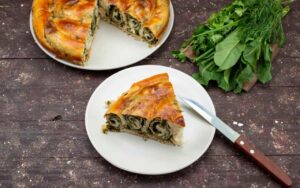
Spanakopita triangles (spanakopitakia) are the portable version of the classic Greek spinach pie, featuring golden, flaky phyllo wrapped around a savory filling of spinach and feta. These triangles offer the perfect ratio of crispy pastry to creamy filling.
The filling combines sautéed spinach with crumbled feta, fresh herbs (primarily dill), and aromatics like green onions or leeks. The secret to perfect spanakopita is removing excess moisture from the spinach—either by squeezing thawed frozen spinach in a clean cloth or wilting fresh spinach before draining.
For assembly, brush phyllo sheets with olive oil, cut into strips, add a tablespoon of filling at one end, then fold into triangles, similar to folding a flag. The folding process creates multiple layers of phyllo that become delightfully crispy when baked. For golden perfection, brush the assembled triangles with additional olive oil before baking at 180°C (350°F) for 25-30 minutes.
Notably, spanakopita triangles are make-ahead friendly. You can prepare the filling up to three days in advance or freeze the assembled (but unbaked) triangles, adding about 10 minutes to the baking time when cooking from frozen.
Seafood-Inspired Small Plates
Seafood from the Mediterranean region showcases the coastal bounty that defines much of the area’s cuisine, with recipes highlighting simple preparation methods that allow the natural flavors to shine. These three seafood-inspired small plates represent essential dishes found throughout the Mediterranean basin.
Garlic shrimp (gambas al ajillo)
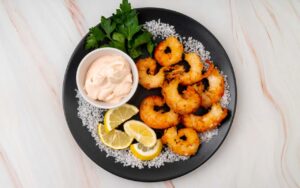
This iconic Spanish tapa features jumbo shrimp swimming in a garlicky olive oil sauce that’s fragrant and irresistible. The dish’s popularity stems from its perfect balance of simplicity and bold flavor, making it a standout among Mediterranean appetizer recipes.
For authentic gambas al ajillo, larger prawns or jumbo shrimp provide the most impressive and flavorful result. The preparation begins by warming high-quality extra virgin olive oil over medium heat before adding generous amounts of chopped garlic (10-12 cloves) and crushed red pepper flakes. The secret lies in gently warming the oil without letting the garlic brown, which would create a bitter taste.
Once the garlic becomes fragrant, add the shrimp and paprika, cooking just until the flesh becomes opaque and pink—approximately 3 minutes. Off heat, finish the dish with a splash of dry sherry or white wine and fresh lemon juice. Traditionally served in the cooking vessel, this Spanish favorite comes with crusty bread for dipping into the flavorful oil.
Fried calamari with lemon

Crispy, tender calamari delivers an addictive textural contrast that makes it a universal favorite across Mediterranean coastlines. The delicate batter creates a golden crust that perfectly complements the squid’s natural sweetness.
The key to perfect calamari begins with preparation—soaking the squid in lemon juice for 15 minutes both tenderizes and flavors the meat. Next comes a careful dredging process: first in seasoned flour (with paprika and cayenne), then buttermilk, then back in flour. This double-coating creates the signature crispy exterior.
Frying happens quickly—just 2-3 minutes at a precise 375°F. The calamari should emerge golden brown and thoroughly crispy, ready to be immediately salted while hot. A simple squeeze of fresh lemon completes this Mediterranean classic.
Grilled octopus with olive oil and oregano
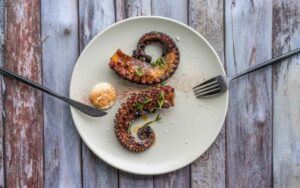
Tender grilled octopus represents the pinnacle of Mediterranean seafood mastery, transforming a potentially tough ingredient into a delicacy through careful preparation.
Authentic Greek grilled octopus begins with tenderizing—traditionally, pre-cooking the octopus in a pot with wine vinegar until tender (40-50 minutes). After cooling, the octopus is typically dried, brushed with olive oil, and grilled over high heat for 10-12 minutes until slightly charred but not dry.
The finishing touch that elevates this dish is Ladolemono, a simple dressing of extra virgin olive oil and fresh lemon juice poured over the hot octopus right off the grill. A sprinkle of dried oregano completes this Mediterranean masterpiece, traditionally served with lemon wedges as the perfect appetizer for seafood lovers.
Vegetarian Bites with Bold Flavors
The Mediterranean’s vegetarian repertoire demonstrates how simple plant-based ingredients can deliver complex, bold flavors. Indeed, these meatless morsels highlight the region’s talent for creating satisfying appetizers that please both vegetarians and omnivores alike.
Falafel with tahini sauce
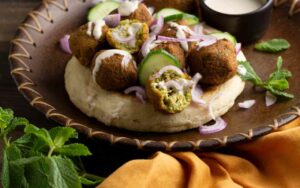
Authentic falafel stands as a cornerstone of Mediterranean street food, crafted from dried chickpeas—never canned—soaked overnight to ensure proper texture. This preparation method creates the signature crispy exterior and tender interior that defines exceptional falafel.
The vibrant green center comes from generous amounts of fresh herbs, primarily parsley and cilantro, along with aromatic spices like cumin, coriander, and cardamom. Subsequently, the mixture is formed into balls or patties before cooking. While traditionally deep-fried, healthier versions can be pan-seared or air-fried with excellent results.
A proper falafel requires its perfect companion—tahini sauce. This creamy dressing combines tahini paste with garlic, lemon juice, and water until silky smooth. The nutty, slightly bitter sauce creates a harmonious balance with the herb-packed falafel.
Grilled eggplant rolls with ricotta
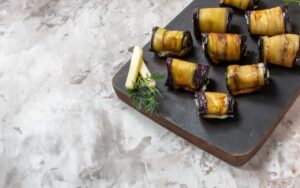
These elegant rolls showcase the Mediterranean’s mastery of eggplant preparation. Essentially, thin slices of eggplant are grilled until tender, then wrapped around a creamy ricotta filling enhanced with fresh basil.
For proper preparation, the eggplant slices should first be salted and allowed to “sweat” for about 20 minutes, drawing out moisture and bitterness. Thereafter, they’re patted dry, brushed with olive oil, and grilled for approximately 3 minutes per side until pliable.
The filling combines ricotta with fresh herbs, Parmesan, and occasionally cream cheese for extra richness. Some variations enhance the flavor profile with balsamic vinegar or lemon zest, creating complex layers of taste.
Mini Greek salad cucumber cups

These charming cucumber cups transform traditional Greek salad into elegant, single-bite appetizers. Primarily, cucumbers are cut into thick rounds, then hollowed out to create edible vessels.
The filling features classic Greek salad components: tomatoes, feta, olives, and herbs. For best results, partially peel the cucumber in stripes before slicing, creating an attractive pattern while maintaining structural integrity. After scooping the centers with a melon baller or spoon, the cups are filled with a mixture dressed with olive oil, lemon juice, and herbs.
These refreshing bites can be prepared up to two days ahead—simply store the cucumber cups and filling separately until ready to assemble. With approximately 57 calories per serving, they offer a light yet satisfying option among the best Mediterranean appetizers.
Mediterranean Flatbreads and Crostini
Flatbreads and crostini form the foundation of countless Mediterranean appetizer tables, offering crispy vehicles for showcasing the region’s incredible flavors. These versatile bases transform simple ingredients into extraordinary bites that beautifully represent Mediterranean food culture.
Tomato bruschetta with basil

Bruschetta celebrates summer’s bounty with an elegant simplicity. This classic Italian appetizer captures garden-ripened tomatoes, fresh basil, garlic, and olive oil on crispy toasted bread. Pronounced “broo-SKET-tah,” it’s essentially summer on toast.
The perfect bruschetta begins with proper bread preparation—slices of baguette or rustic bread brushed with olive oil on both sides create an extra-crispy base that resists sogginess. Toasting at 450°F yields the ideal texture: shattering-crisp outside with a tender interior.
For the tomato mixture, blanching and peeling tomatoes creates the most refined result, followed by careful removal of seeds and juices to prevent soggy bread. Finely chopped tomatoes are then tossed with minced garlic, extra-virgin olive oil, balsamic vinegar, and thinly sliced basil. Generally, this mixture benefits from resting for 20 minutes before serving to allow flavors to meld.
Roasted tomato pissaladière

Pissaladière, a traditional Provençal flatbread similar to pizza, typically features caramelized onions, olives, and anchovies on a crisp base. This popular French street food originates from Nice and offers a delightful savory experience.
The modern twist presented here incorporates oven-roasted tomatoes, which develop a concentrated umami flavor during roasting. In fact, these partially dehydrated tomatoes add a pleasantly chewy texture and intensified taste that elevates the entire dish.
Many contemporary versions use puff pastry as a time-saving alternative to traditional bread dough, yielding a light, flaky crust. The assembly process involves caramelizing onions slowly for about 45 minutes until golden, then layering with olives, anchovy fillets, and those incredible roasted tomatoes.
Socca (chickpea flatbread)
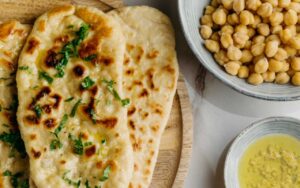
Socca, a naturally gluten-free flatbread from Nice, France, serves as both street food and sophisticated appetizer. Made from just chickpea flour, water, and olive oil, this simple flatbread delivers a surprisingly complex, nutty flavor profile.
Traditionally served street-side on fiery grills, authentic socca is chopped and served in paper cones with a simple sprinkle of salt and pepper. Despite its rustic origins, socca has endless versatility—it pairs beautifully with Mediterranean dips or can be topped like pizza.
The preparation requires preheating a cast-iron skillet under the broiler, then pouring in a thin batter of chickpea flour, water, and olive oil. After just 5-8 minutes, the exterior blisters while maintaining a creamy interior. Certainly, socca is best eaten immediately while the edges remain crispy, though it can be reheated successfully for up to a week.
Modern Twists on Traditional Dishes
Innovation within Mediterranean cuisine breathes new life into traditional concepts, creating contemporary appetizers that honor regional flavors while embracing modern culinary techniques. These reinvented dishes offer fresh perspectives on the best Mediterranean appetizers, appealing to adventurous palates seeking familiar tastes in unexpected forms.
Loaded Mediterranean sweet potato fries

Sweet potatoes transform into a nutritional powerhouse in this creative dish that merges comfort food with Mediterranean flavors. Unlike conventional fries, these nutrient-dense sweet potatoes provide a healthier foundation that’s complemented by vibrant toppings.
The magic happens in layers: crispy, oven-roasted sweet potato fries form the base, followed by a refreshing Mediterranean tomato-cucumber salad. The crowning glory is a creamy tahini-yogurt sauce that ties everything together. For the perfect crisp texture, preheating your baking sheet creates golden, caramelized edges—a simple yet effective technique.
The versatility of this dish makes it exceptionally practical; it works beautifully as a side dish alongside anything on skewers or stands alone as a satisfying snack.
Pesto-stuffed burrata bombs
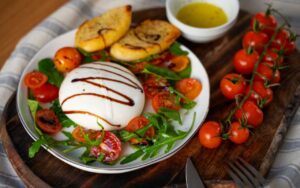
This innovative appetizer elevates burrata—already a luxurious cheese—into something truly extraordinary. The concept is brilliantly simple yet remarkably effective: Why have regular burrata when you can have it filled with fresh pesto?
Burrata, an Italian cheese with a mozzarella exterior and creamy center, becomes the perfect vessel for herbal, garlicky pesto. The preparation involves making a small incision in the cheese, then carefully injecting pesto until the ball feels heavier and some filling begins to escape.
When served, these flavor bombs are typically paired with slow-roasted cherry tomatoes that have been tossed with olive oil, garlic, and herbs until they reach perfect juiciness. The combination creates a sensory experience of contrasting temperatures and complementary flavors—the cool, creamy cheese against warm, sweet tomatoes.
Both these innovative dishes showcase how Mediterranean appetizer recipes continue to evolve while maintaining their connection to regional ingredients and traditions. They represent perfect additions to any contemporary mezze spread seeking to balance the classic with the creative.
How to Build a Mezze Platter
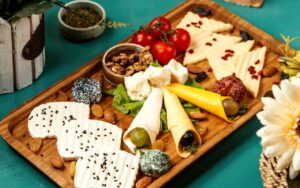
Creating a mezze platter elevates simple Mediterranean appetizers into an impressive feast that invites communal dining and conversation. The key to an unforgettable mezze experience lies not just in individual components but in their thoughtful arrangement.
Essential ingredients for a perfect Mediterranean mezze platter:
- Hummus and baba ganoush
- Tzatziki or whipped feta
- Marinated olives and artichokes
- Warm pita or flatbread slices
- Grilled vegetables and stuffed grape leaves
- A drizzle of extra virgin olive oil and fresh herbs
Start with 3–4 dips
Dips form the heart of any authentic mezze platter. Place them first, positioning bowls strategically around your board or platter to anchor the presentation. Hummus is absolutely essential—this creamy chickpea puree serves as a Mediterranean staple that most guests will recognize. For variety, add tzatziki, baba ganoush, muhammara, or whipped feta as complementary options. If time permits, homemade dips create the most authentic experience, yet high-quality store-bought versions work wonderfully in a pinch.
Add protein and veggie elements
Once your dips are positioned, introduce fresh vegetables that add vibrant color and crunch. Cucumbers, cherry tomatoes, radishes, bell peppers and carrots work beautifully for dipping. Next, incorporate salty, briny elements—kalamata olives, marinated artichokes, or pickled vegetables fill empty spaces perfectly. For protein, consider cubes of feta cheese, which should be drizzled with olive oil and herbs for maximum flavor. Optional additions might include falafel, stuffed grape leaves, or grilled halloumi.
Include breads and crackers
No mezze platter is complete without proper vessels for scooping dips. Warm pita bread, preferably cut into wedges, creates the traditional foundation. Nonetheless, don’t limit yourself—lavash, socca, or whole grain crackers provide textural contrast and gluten-free alternatives. Position these items throughout the platter, filling larger empty spaces and making them easily accessible from all angles.
Balance colors and textures
The visual appeal of your mezze platter matters tremendously. Accordingly, aim for a rainbow of colors—reds from tomatoes, greens from herbs, purples from olives. Moreover, contrast creamy dips with crunchy vegetables, soft breads with crisp crackers. Fresh herbs like mint or parsley serve as beautiful garnishes while adding bright flavor notes. Finally, drizzles of olive oil and sprinkles of spices like sumac or za’atar create visual interest and depth of flavor.
For a truly impressive presentation, remember that abundance is key—a properly loaded mezze platter should look generously filled. Above all, remember that mezze is meant for sharing, making it the perfect expression of Mediterranean hospitality.
Let a professional chef design your mezze experience. Book a Private Chef in New York and enjoy the authentic taste of the Mediterranean in the comfort of your home.
Tips for Serving Mediterranean Appetizers
Successful Mediterranean entertaining hinges on thoughtful serving strategies that enhance both flavor and presentation of your appetizers.
Make-ahead options
Many of the best Mediterranean appetizers improve with time. Marinated olives, hummus, baba ganoush, and stuffed grape leaves can all be prepared hours or even days in advance, allowing flavors to develop. Spanakopita represents another excellent make-ahead option—often frozen before baking for convenient entertaining. For outdoor summer gatherings, place dairy-based dips in larger bowls filled with ice to maintain freshness and food safety.
Room temperature vs. hot dishes
Ironically, most Mediterranean food appetizers actually taste better at room temperature instead of hot. This isn’t laziness—it’s intentional! Allowing cheese to sit for about an hour outside the refrigerator before serving ensures proper flavor development. Soft cheeses like Brie need this time to achieve their ideal semi-runny consistency. Even dips like hummus and guacamole reveal enhanced flavors when served at room temperature instead of chilled.
Serving tools and presentation
The mezze tradition encourages a relaxed, communal dining experience where presentation matters. A dedicated mezze platter simplifies sharing different foods. Begin with strategically placed bowls, then add proteins, vegetables, and breads throughout. Fill empty spaces with nuts for visual abundance. Remember that balance is crucial—mix textures, layer flavors, and create visual variety that invites guests to explore every element.
Wine Pairing for Mediterranean Appetizers
Selecting the right wines elevates Mediterranean appetizers from delightful to extraordinary. The Mediterranean’s diverse flavor profiles offer exciting possibilities for wine enthusiasts seeking perfect pairings.
Best wines for seafood dishes
For delicate seafood appetizers like grilled octopus or calamari, crisp white wines create harmonious matches. Sauvignon Blanc offers refreshing acidity that beautifully complements seafood’s natural flavors. Alternatively, a mineral-tinged Albariño pairs wonderfully with mild fish like sole. For stronger-flavored seafood such as sardines or anchovies, reach for Greco di Tufo from Campania.
Mussels cooked with herbs and garlic need wines with grassiness—specifically Chenin Blanc cuts through their robust flavor profile. For Mediterranean shrimp dishes, Vermentino provides perfect balance with its zesty character.
Pairing with dips and vegetables
Creamy hummus calls for medium-bodied whites—Chardonnay or Viognier complement its rich texture and earthiness. For smoky baba ganoush, opt for aromatic whites like Sauvignon Blanc or Albariño.
Crispy falafel pairs wonderfully with dry Rosé or sparkling wines that provide refreshing contrast to the herbaceous notes.
Red wines for meat-based bites
Meat-focused Mediterranean appetizers shine alongside thoughtfully selected reds. For grilled lamb, reach for Cabernet Sauvignon—its bold character perfectly matches rich flavors. Chianti works beautifully with tomato-based dishes and pairs exceptionally with Parmesan.
For versatility across multiple appetizers, cool-climate Pinot Noir offers the ideal balance—subtle yet flavorful without overpowering delicate Mediterranean dishes.
Bring the Mediterranean to your next gathering — from private chef services to cooking classes, Loza NYC creates unforgettable culinary moments inspired by authentic regional flavors.