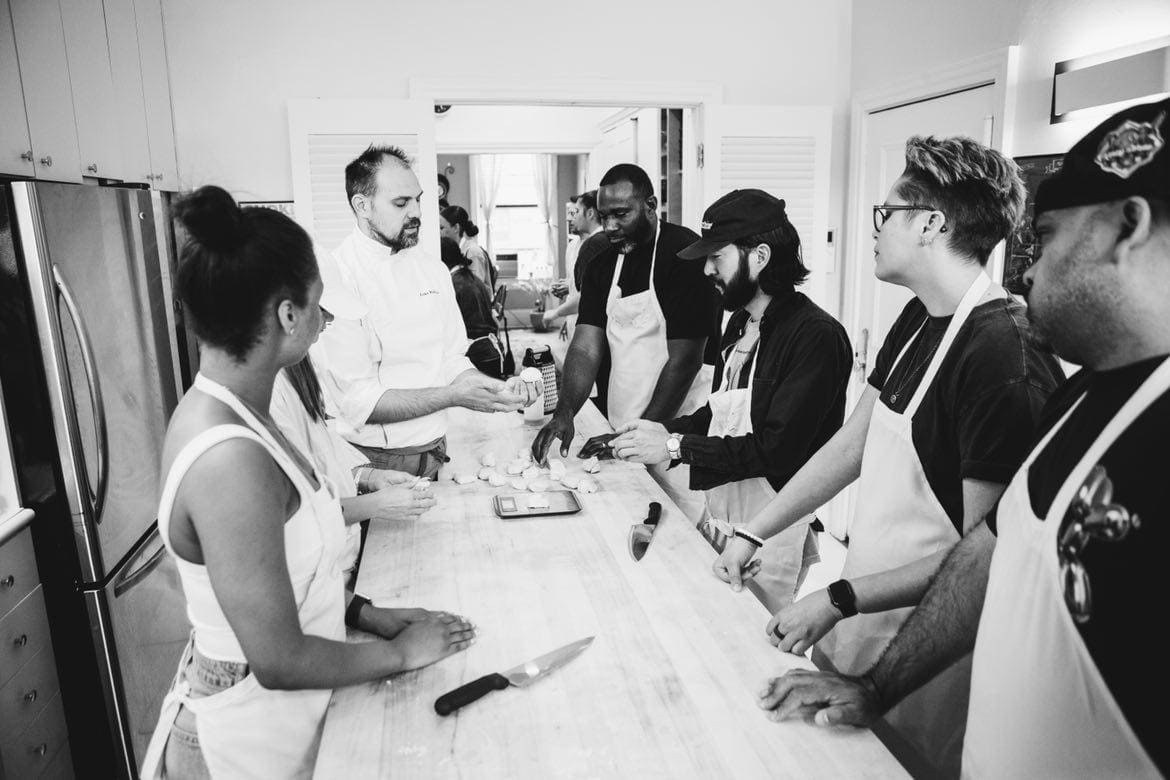
Traditional Neapolitan Pizza represents one of the purest expressions of Italian culinary heritage. Rooted in Naples, this iconic dish is defined by simplicity, technique, and respect for high-quality ingredients. In this guide, you will learn what makes it truly authentic, from dough preparation and ingredients to baking techniques and historical standards. Whether you are a food enthusiast or a professional chef, this article will help you understand the essence of True Neapolitan Pizza and what separates it from modern interpretations.
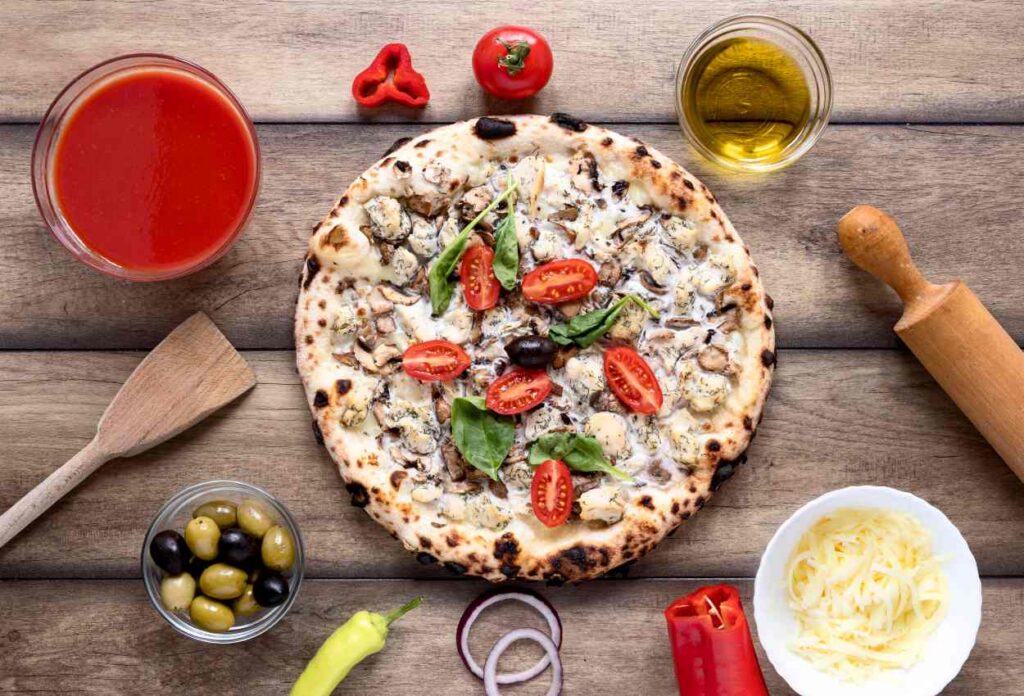
Traditional Neapolitan Pizza – Origins and Cultural Heritage
Traditional Neapolitan Pizza originates from Naples, Italy, where it was first created as a simple, affordable meal for working-class families. Over time, it evolved into a global culinary symbol recognized by UNESCO as part of Italy’s intangible cultural heritage. The simplicity of pizza Napoletana is what makes it so special—just a few ingredients, carefully combined and cooked with precision.
The foundation of Authentic Neapolitan Pizza lies in tradition. The Associazione Verace Pizza Napoletana (AVPN) established strict guidelines to preserve its authenticity, ensuring that every true Neapolitan pizza follows specific rules regarding dough, ingredients, and cooking methods.
Unlike modern variations, Napoletana is not overloaded with toppings. Instead, it focuses on balance, freshness, and technique. The philosophy is simple: less is more, allowing each ingredient to shine.
At Loza NYC, Chef Živko Radojčić embraces this tradition while delivering a refined dining experience inspired by Naples.
Contact us to experience authentic Neapolitan craftsmanship firsthand.
Traditional Neapolitan Pizza – Essential Ingredients That Define Authenticity
The authenticity of Traditional Neapolitan Pizza is deeply rooted in its ingredients, where simplicity and quality are more important than complexity. Every component has a precise role in creating the balance, texture, and flavor that define true Neapolitan tradition. Without the right ingredients, it is impossible to achieve an Authentic Neapolitan Pizza experience.
The foundation starts with Tipo “00” flour, a finely milled Italian flour that gives the dough its soft, elastic structure. Its high gluten quality allows for long fermentation, resulting in a light and airy crust. Water also plays an important role, as it must be pure and balanced to ensure proper dough hydration. Even small variations in mineral content can affect dough development and final texture.
Another essential ingredient is San Marzano tomatoes, grown in the volcanic soil near Mount Vesuvius. They are naturally sweet, low in acidity, and create a rich, balanced sauce without the need for additional seasoning. For cheese, traditional recipes use Mozzarella di Bufala or Fior di Latte, both known for their creamy texture and fresh dairy flavor, which melt perfectly without overpowering the pizza.
Extra virgin olive oil adds aroma and richness, while sea salt enhances the natural taste of the dough and toppings. Fresh basil is often used as the final touch, bringing fragrance and freshness to the dish and completing the signature aroma profile.
Together, these carefully selected ingredients define the essence of pizza Napoletana, proving that true excellence lies in tradition, purity, and respect for original culinary methods passed down through generations.
Book your private chef experience and discover authentic ingredient-driven pizza craftsmanship.
Traditional Neapolitan Pizza – Dough Preparation and Fermentation Process
Traditional Neapolitan Pizza dough is the heart of the entire process. It is made using only four basic ingredients: flour, water, salt, and yeast. However, the technique behind it is what makes all the difference.
The dough undergoes a long fermentation process, typically between 24 and 72 hours. This slow rise allows gluten development and enhances flavor complexity. The result is a soft, elastic dough that creates the signature airy crust of Neapolitan Pizza.
Key steps include:
- Mixing ingredients at low speed
- Resting and fermentation at controlled temperature
- Hand stretching instead of rolling
- Maintaining high hydration levels
This process ensures that the dough remains light and digestible while developing its characteristic texture.
At Chef Živko Radojčić’s kitchen, precision and patience are essential when working with dough, ensuring every pizza meets authentic standards.
Contact us to learn more about traditional dough techniques and private chef experiences.
Traditional Neapolitan Pizza – Baking Technique and Wood-Fired Oven Magic
One of the defining elements of Traditional Neapolitan Pizza is the baking process. Authentic pizza must be cooked in a wood-fired oven at extremely high temperatures, typically between 450°C and 500°C.
The cooking time is very short—usually 60 to 90 seconds. This rapid baking creates the iconic leopard-spotted crust, soft center, and slightly charred edges that define pizza Napoletana.
Important baking principles include:
- Constant heat monitoring
- Rotating the pizza during baking
- Using natural wood for flavor enhancement
- Avoiding overcooking to preserve softness
This technique is what transforms simple dough and ingredients into a true culinary masterpiece. The high heat locks in moisture while giving the crust its unique texture and aroma.
Without a proper wood-fired oven, achieving true authenticity is nearly impossible, which is why traditional methods are still strictly preserved today.
Book your chef experience and taste authentic wood-fired Neapolitan pizza prepared by a professional chef.
Traditional Neapolitan Pizza – Common Mistakes and Misconceptions
When preparing Traditional Neapolitan Pizza, many home cooks and even beginners in professional kitchens often make mistakes that significantly affect authenticity, texture, and flavor. Understanding these errors is essential for achieving a true Authentic Neapolitan Pizza experience.
One of the most common mistakes is using the wrong type of flour. Instead of finely milled Tipo “00” flour, many people use all-purpose flour, which results in a denser and less elastic dough. Another frequent issue is incorrect fermentation time. A proper pizza Napoletana dough requires 24 to 72 hours of slow fermentation, but many shorten this process, leading to poor flavor development and heavy texture.

Overloading the pizza with toppings is another misconception. Traditional Neapolitan pizza is defined by simplicity, where each ingredient is carefully balanced. Too many toppings disrupt the structure and prevent even baking. Additionally, using low-quality cheese or processed sauces completely removes the authenticity of the dish.
Baking temperature is also crucial. Many people attempt to cook Neapolitan pizza in standard ovens, which cannot reach the high heat required for proper cooking. Authentic versions require a wood-fired oven at 450–500°C for a short baking time of 60–90 seconds.
Finally, skipping proper dough handling techniques, such as hand stretching instead of rolling, can damage the texture. Avoiding these mistakes is essential for mastering the true art of Traditional Neapolitan Pizza.
Traditional Neapolitan Pizza – Modern Interpretations vs Authentic Style
Traditional Neapolitan Pizza represents one of the most protected culinary traditions in the world, rooted in Naples and defined by strict preparation rules. Its identity is based on simplicity, high-quality ingredients, and precise techniques. However, in modern gastronomy, this classic dish has evolved into many interpretations that balance tradition with innovation.
The Authentic Neapolitan Pizza follows strict guidelines established by the AVPN (Associazione Verace Pizza Napoletana). It uses specific ingredients such as Tipo “00” flour, San Marzano tomatoes, and mozzarella di bufala, combined with long fermentation and baking in a wood-fired oven. The result is a soft, airy crust with a slightly charred edge and minimal toppings that highlight natural flavors.
In contrast, modern interpretations of pizza Napoletana often introduce new ingredients, alternative flours, gluten-free bases, gourmet toppings, and fusion flavors inspired by global cuisines. Chefs experiment with truffle oil, burrata, spicy sauces, and even unconventional proteins. These versions are more flexible and designed to meet diverse consumer preferences.
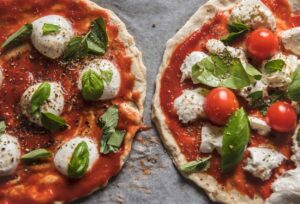
While modern adaptations expand creativity, they often move away from strict authenticity. The key difference lies in philosophy: traditional style respects heritage and discipline, while modern style prioritizes innovation and personalization.
Despite these differences, both approaches contribute to the global popularity of Neapolitan pizza. Traditional methods preserve cultural heritage, while modern interpretations keep the dish relevant and exciting for new generations of food lovers.
Book your private dining experience and explore the art of traditional pizza with a modern touch.
FAQ – Traditional Neapolitan Pizza: What Makes it Authentic
- What is Traditional Neapolitan Pizza?
Traditional Neapolitan Pizza is a classic Italian pizza originating from Naples. It is made with simple, high-quality ingredients and follows strict preparation and baking rules to maintain authenticity.
- What makes Neapolitan pizza authentic?
Authenticity comes from using specific ingredients (like Tipo “00” flour and San Marzano tomatoes), long dough fermentation, hand-stretching techniques, and baking in a wood-fired oven at very high temperatures.
- What is the difference between Neapolitan pizza and regular pizza?
Neapolitan pizza has a soft, airy crust, minimal toppings, and a slightly charred base due to very high-temperature baking. Regular pizza is often thicker, crispier, and more heavily topped.
- What flour is used for Traditional Neapolitan Pizza?
Only finely milled Tipo “00” flour is used. It creates a soft, elastic dough that is essential for achieving the signature texture of authentic Neapolitan pizza.
- Why is Neapolitan pizza cooked so fast?
It is baked at extremely high temperatures (450–500°C) in a wood-fired oven, allowing it to cook in just 60–90 seconds while maintaining moisture and softness.
- Can Neapolitan pizza be made without a wood-fired oven?
While it is possible, true authenticity is difficult to achieve without a wood-fired oven because the intense heat is essential for the traditional texture and flavor.
- What toppings are allowed on authentic Neapolitan pizza?
Traditional toppings are very simple—usually tomato, mozzarella, basil, olive oil, and sometimes anchovies or prosciutto. Simplicity is key to authenticity.
- What is the ideal texture of Traditional Neapolitan Pizza?
The pizza should have a soft, tender center with a light, airy crust and slight charred spots, often described as “all’onda” or wave-like when served.
- Who regulates Traditional Neapolitan Pizza standards?
The Associazione Verace Pizza Napoletana (AVPN) sets official guidelines to ensure pizza follows traditional methods and remains authentic.
- Why is fermentation important in Neapolitan pizza dough?
Long fermentation (24–72 hours) develops flavor, improves digestibility, and creates the airy, elastic texture essential for authentic Neapolitan pizza.